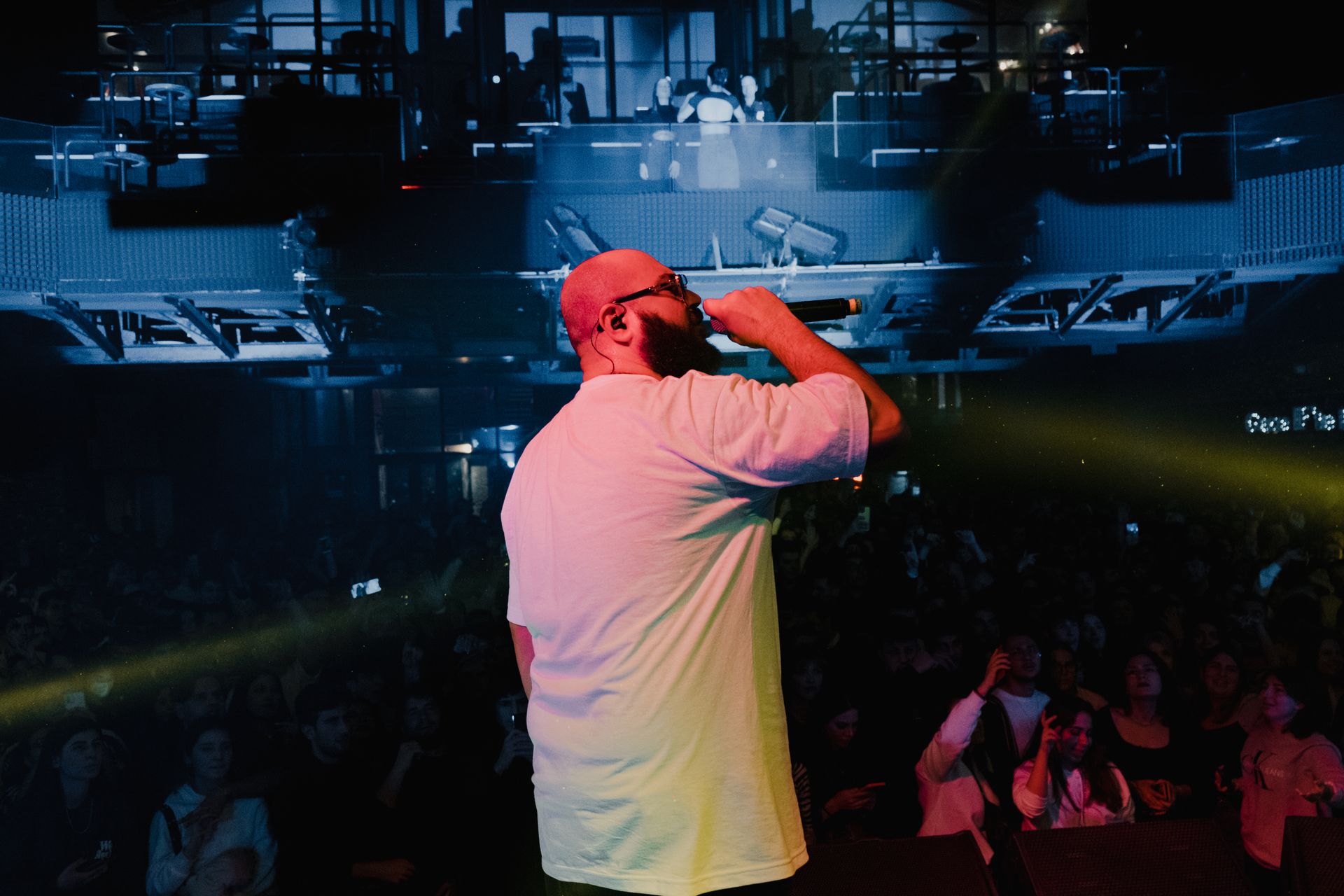
How to Get a Music Internship in India: Labels, Live Events and Artist Teams
A practical guide for students seeking music internships in India—from label metadata and artist relations to live-event production, with a better way to show useful proof.
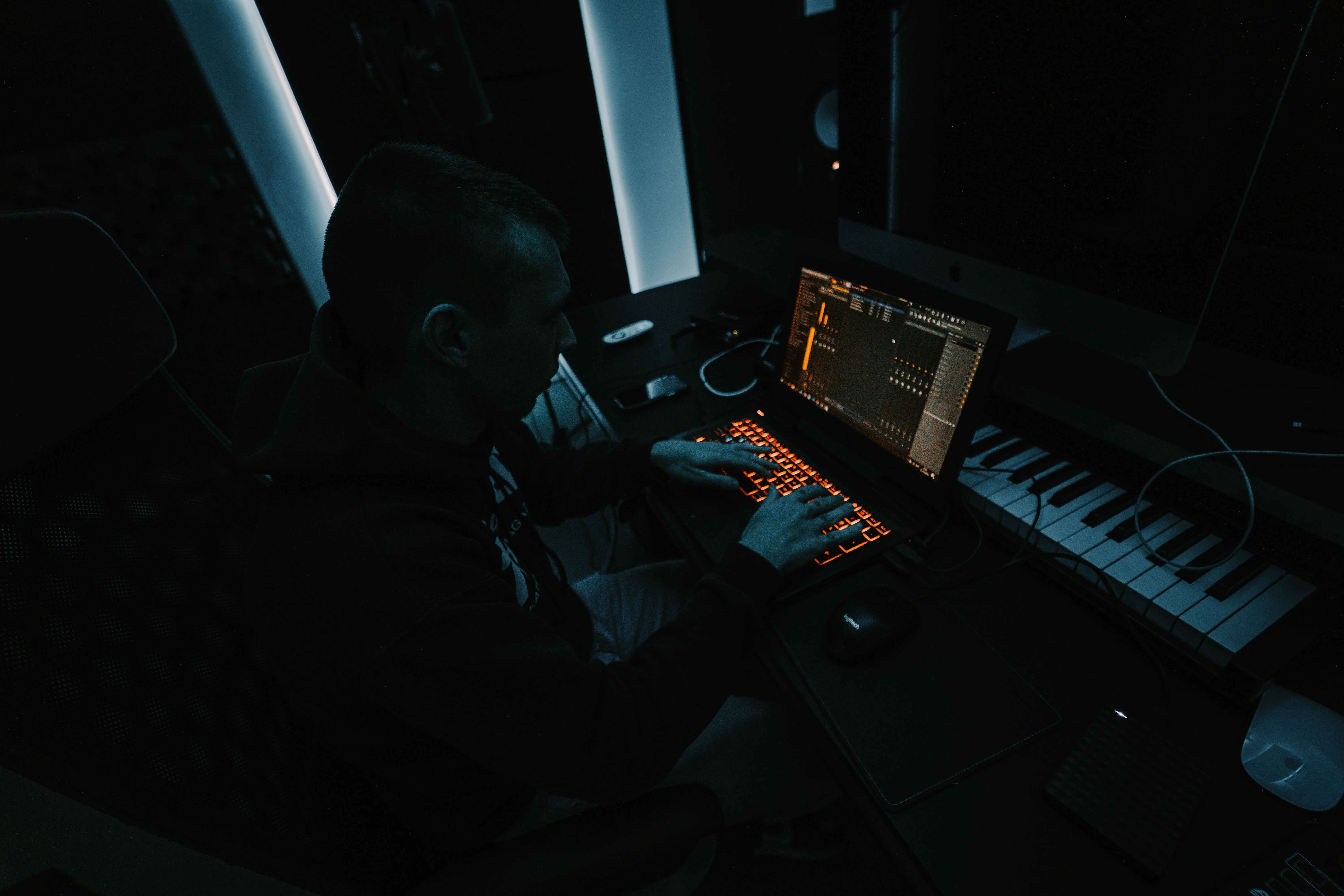
Cover photo: “A Man Using a Laptop” by Bert Christiaens via Pexels, used under the Pexels License. The locally stored image is converted to WebP for delivery.
Music internships in India are not only for someone hoping to be an A&R scout at a large label. Openings span release metadata, artist relationships, live-event operations, production assistance, culture writing and short-form content. The fastest way in is to choose one lane, show evidence that you can make a small part of it easier, and apply to people who actually run it.
For a student, an internship should create useful proof: a credit, a completed deliverable, a reference, a new working relationship or a clearer sense of the job you do well. It should not be treated as a vague badge. This guide explains how to find a role, make a focused application and check whether the offer is worth accepting.
Key takeaways
- Music internships in India can sit in labels, artist teams, live events, production houses and culture media—not just in studios.
- Build one role-specific work sample: a metadata sheet, event run-sheet, artist-research note, content sample or organised session folder.
- Treat every listing as time-sensitive. Confirm pay, supervisor, location, travel, duration, ownership and deliverables before you accept.
- At Chaudhary Devi Lal University, an MA Music guideline requires at least 40 internship hours in one semester; that is a university-specific example, not a nationwide rule. CDLU
What artist managers in India actually do
What kinds of music internships exist in India?
Music internships in India span more than performance. When checked on 2026-11-01, Aditya Music’s careers page listed a Hyderabad Content Operations Intern focused on how releases move from studio to platforms, including metadata, publishing and content workflows. A release needs careful operational work as well as a good song. Aditya Music, Careers
Start by naming the work you want to learn. “I want a music internship” is broad; “I want to learn how a live-event team builds an artist run-sheet” is actionable. The second sentence tells an employer what evidence to ask for and lets you decide whether the role really fits.
Five entry lanes worth exploring
| Lane | Typical work | Useful proof before you apply |
|---|---|---|
| Label and release operations | Metadata, uploads, release calendars, catalogue checks, basic reporting | A clean spreadsheet that credits a mock release correctly |
| Artist relations and management | Research, schedules, audience notes, coordination, show-day support | A one-page artist research note and an organised contact tracker |
| Live events and production | Run-sheets, vendor coordination, artist hospitality, venue communication | A timed event plan and a short post-event debrief |
| Studio and production assistance | Session organisation, stems, file backups, preparation, basic recording support | A labelled session-folder structure and a delivery checklist |
| Music, culture and audience content | Interviews, captions, short edits, music research, distribution support | Two strong clips, posts or articles with sources and credits |
When checked on 2026-11-01, Only Much Louder’s Mumbai listing for an Artist Branded Content Intern was marked as an internship, while the company described work across artist management, content and fan experiences. The title matters less than the pattern: teams need people who can support a specific function without learning every basic workflow from zero. OML, “Artist Branded Content Intern”
Choose a lane before you choose a company. A student who can say “I am applying for release operations, and here is how I organise credits and metadata” makes a much stronger first impression than someone who offers generic enthusiasm for music.
Where should students look for music internships in India?
The best search is a mix of official employer career pages, current job boards and people whose work you can name. Do not wait for one “perfect” role to appear. Build a list of labels, promoters, studios, artist managers, festival teams, music publishers, cultural platforms and production houses in the city or remote category you can realistically support.
Use a simple weekly system:
- Track ten relevant organisations. Save their official careers page, verified social account and one person or team whose work connects to your chosen lane.
- Search role language, not only “music internship.” Try “content operations,” “artist relations,” “event production,” “production assistant,” “music editorial” and “release coordinator.”
- Set alerts, then check the source page. A job-board preview may be old, incomplete or already closed. Apply through the employer’s stated route whenever possible.
- Keep a contact log. Record when you found the role, the source link, deadline, person contacted, application version and follow-up date.
When checked on 2026-11-01, DHE Studio’s internship page listed production-assistant and artist-management routes. It describes production assistance around shoots, events and live performances, and artist-management support around talent rosters and coordination with artists and venues. Treat that as a work-type example, not a permanent directory entry. DHE Studio, Internships
Do not pay a third party merely to “guarantee” an internship. A legitimate employer can state its role, contact route, work location and application process. If someone asks for money or bank details before a formal offer, stop and independently verify the organisation.
What should a music-internship application include?
A good application is a small working sample, not an overstuffed portfolio. The employer is trying to picture you in a real task. Give them one clear answer: here is how I write, organise, research, schedule, edit, listen or communicate.
For a release-operations role, make a mock one-page release sheet. List artist, track title, writers, performers, producer, mix engineer, mastering engineer, ISRC placeholder, release date, territories and asset links. Do not invent credits for a real artist. Use a fictional release or your own work and label it clearly.
For an event role, create a one-page run-sheet for a small campus show: call time, load-in, soundcheck, doors, artist arrival, stage change, set, curfew, contacts and contingency. For content or artist relations, write a 250-word research note on one emerging artist and cite the public sources you used. The point is to show judgement, not to pretend you already have industry access.
Your sample should resemble an actual first-week task. A generic certificate shows that you attended something; a clean run-sheet or credit sheet shows how you think when other people are depending on you.
Include these elements in the application:
- A concise note naming the exact role or work lane.
- One or two relevant work samples, linked rather than attached as huge files.
- Your city, availability and realistic travel limits.
- A short explanation of one project, performance, society role or freelance task that taught you something useful.
- A professional contact method and a portfolio or credits page that is accurate.
If you are a performer applying for behind-the-scenes work, do not hide the music. Explain how it helps you listen to artists, understand a session or respect a show-day schedule. But lead with the internship task. A live promoter does not need proof that you can sing if the role is checking artist arrivals.
Our guide to a creative portfolio for freelance work in India can help you organise those samples. For a production-specific career path, see our overview of becoming a live sound engineer in India.
How should you write the first message?
The first message should take less than a minute to understand. Mention one reason you chose that organisation, the work lane you want to support and one link that proves you prepared. Do not open with a life story or a request for “any work.”
Subject: Internship application — release operations / live events / artist relations
Hi [Name/Team], I am a [course/year] student based in [city] looking for a [part-time/full-time/remote] internship in [specific lane]. I am interested in your work on [one relevant release, show, artist or programme].
I have prepared [one-sentence sample description]. You can see it here: [link]. I am available from [date] and can support [two or three relevant tasks].
If there is a suitable current or upcoming internship route, I would be grateful to be considered. Thank you, [name, phone, portfolio].
Follow the employer’s stated process first. If the listing requests a form, submit that form; do not assume a direct message will replace it. If no process is public, one respectful message and one follow-up after five to seven working days is enough. A follow-up should add information, such as a new sample or a confirmed availability window.
The same discipline applies when you reach out to an artist team. Read how a professional cold message to music producers or directors can be specific without sounding transactional.
How do you assess an internship offer before saying yes?
An internship can be valuable even if it is short, but only when the work and expectations are clear. Ask the questions before you accept, not after the first week. You are not being difficult; you are checking whether the role offers real learning, safe work and credible evidence of your contribution.
At minimum, confirm:
- Work: What tasks will I own or assist with in the first month?
- Supervision: Who is my named manager, and how often will we review the work?
- Pay and costs: Is it paid, reimbursed, unpaid or for academic credit? Who covers local travel, meals or show-day costs?
- Time: What are the hours, duration and expected availability during events or releases?
- Location and safety: Is it remote, hybrid, office-based, studio-based or on-site at events? Who is the point of contact during a late show?
- Credit and work use: Can I list completed work in my portfolio, and what needs approval before I share it?
- Ownership and confidentiality: Which files, recordings, contacts or unreleased details must remain private?
Chaudhary Devi Lal University’s MA Music curriculum requires a minimum of 40 hours of internship work in Semester II, showing that some academic programmes treat supervised work as a formal part of learning. That one guideline does not set the national standard, but it gives students a useful question: will this role leave me with defined learning and a record of what I did? CDLU, MA Music (Instrumental) internship guideline
If the offer is unpaid, be especially direct about the expected hours, expenses, training, supervisor and end date. An unpaid role that repeatedly substitutes for a paid employee without structure is a warning sign. Do not make promises about availability you cannot keep during exams, family commitments or paid work.
How can you turn the internship into useful music-career proof?
The internship becomes career proof when you can explain the work accurately. Start a private log from day one: date, task, tools used, people supported, result, feedback and whether you have permission to show it. That log will make your CV, portfolio and future interview answers much stronger.
Ask for permission before sharing an unreleased track, a private schedule, a client list or backstage images. If you cannot share the asset, describe the process instead: “prepared metadata for a five-track release under supervision” is more truthful than posting a confidential dashboard screenshot.
At the end, request a short written confirmation of your role, dates and completed responsibilities. Then credit collaborators precisely. If you assisted a producer, event manager, sound engineer, photographer or artist manager, state the assistance you actually provided. This is how an internship becomes a professional reference rather than a loose claim.
Kredl is designed around visible work and collaborator-confirmed credits. Use it to present work you are allowed to show and relationships that are accurate. It cannot validate confidential work or turn an informal favour into a verified job, so keep your credits specific and truthful.
Frequently Asked Questions
Do I need a music degree to get a music internship in India?
No single degree is required across the examples in this guide. Current employer listings focus on the task: Aditya Music’s Content Operations Intern listing concerns metadata, publishing and content workflows, while DHE Studio describes roles around live production and artist coordination. A focused work sample can demonstrate readiness alongside your course or musical practice. Aditya Music DHE Studio
What should I put in a music-internship portfolio?
Include one or two role-specific samples, not every project you have made. For label operations, that could be a fictional release-metadata sheet; for events, a one-page run-sheet; for content, two credited pieces. CDLU’s MA Music guideline uses a minimum 40-hour internship requirement as one academic example, but your portfolio should show the quality of your work, not only time spent. CDLU
Are music internships in India paid?
Some are paid and some are not; never infer payment from the job title alone. A public listing may describe tasks or location without clearly stating reimbursement, so ask for compensation, travel and meal policy in writing before accepting. Confirm the offer directly with the employer, then save the response with your application record.
Can college-fest volunteering help me get a music internship?
Yes, if you can describe concrete work: a stage run-sheet, artist check-in, sponsor coordination, content delivery or soundcheck assistance. Volunteering and employment are not the same thing, so ask about supervision, credit and learning goals. Our college music society guide can help you turn campus work into a documented body of experience.
Sources, methodology and image credits
This is a practical career guide, not a promise of placement. Employer listings and job-board pages can change or close without notice; check the original listing and application route immediately before applying. Recommendations about samples, questions and follow-up are Kredl’s editorial guidance for students entering music work.
- Aditya Music, Careers, current Content Operations Intern listing in Hyderabad; retrieved 2026-11-01.
- OML, “Artist Branded Content Intern”, Mumbai internship listing; retrieved 2026-11-01.
- DHE Studio, Internships, production-assistant and artist-management internship examples; retrieved 2026-11-01.
- Chaudhary Devi Lal University, MA Music (Instrumental) Internship Guideline, minimum 40-hour requirement in one university curriculum; retrieved 2026-11-01.
- Cover image: “A Man Using a Laptop” by Bert Christiaens via Pexels, Pexels License, downloaded and locally converted to WebP for delivery, retrieved 2026-11-01.