How to Become an Artist Manager in India: Start With One Real Project
A practical starting guide for aspiring artist managers in India: define a useful role, manage one real project, make clear agreements and earn trust without making empty promises.

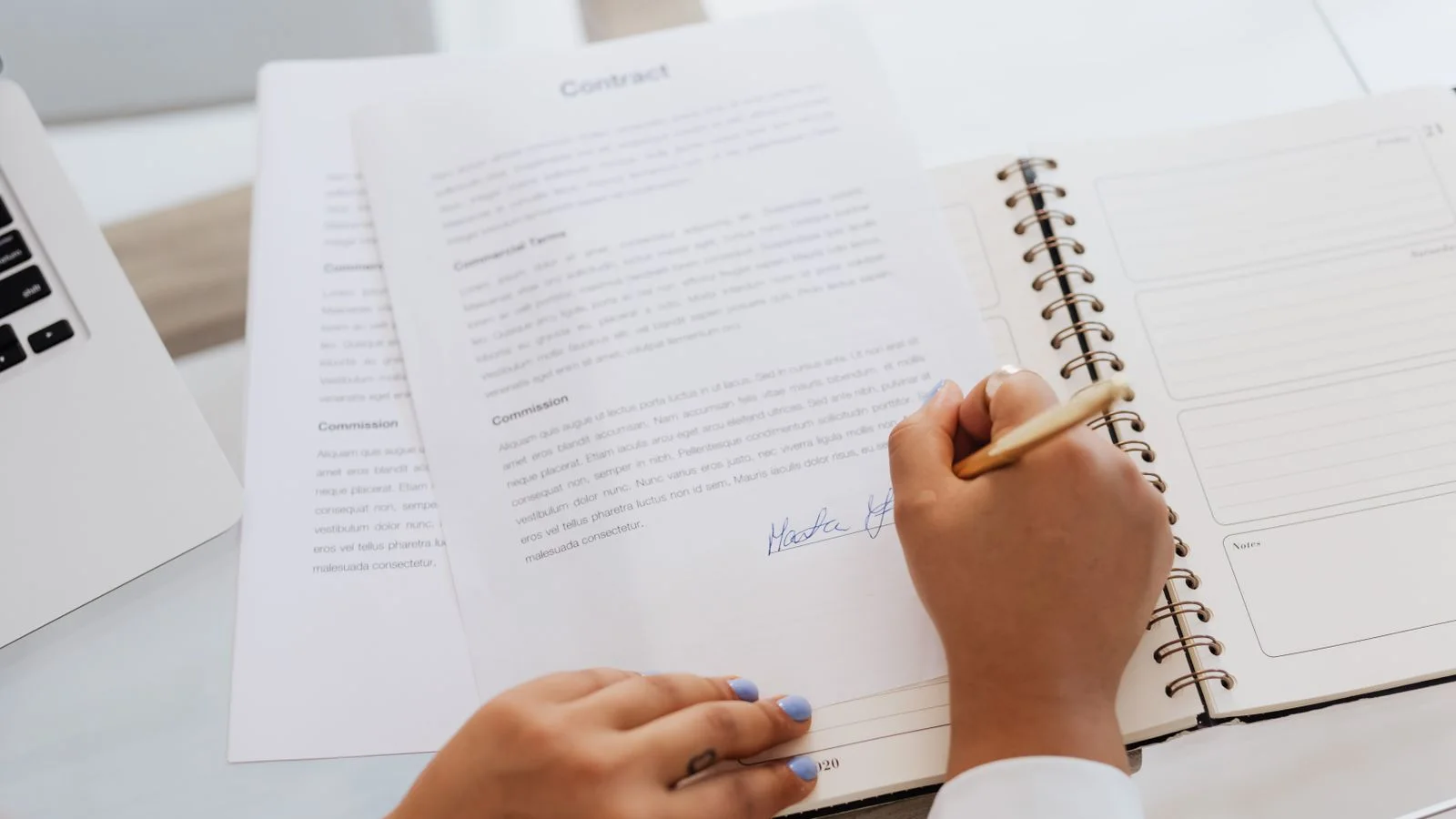
Cover photo: cottonbro studio via Pexels, used under the Pexels License.
The safest way to become an artist manager in India is to manage one real, bounded project before you ask anyone to hand over their whole career. Help an artist finish a release plan, coordinate one show, organise a clean set of credits or turn scattered messages into a working schedule. Then document what you actually did, what the artist approved and what the outcome was.
This guide is for emerging managers, artist friends who have become the organised person in the room, and independent musicians deciding whether they need management. It is not a shortcut to a percentage of someone else’s future income. A manager earns trust by making decisions, communication and opportunities more manageable.
Key takeaways
- Begin with one defined project, not an indefinite claim to manage an artist.
- Agree the goal, authority, timeline, expenses, credit and exit route before you start.
- Keep a simple operating system: priorities, contacts, follow-ups, decisions and a shared calendar.
- Build proof from accurate credits and useful outcomes, never from name-dropping or promises.
How independent artists in India can build a music career before adding a manager
What does an artist manager actually do?
An artist manager helps make the business side of an artist’s work more deliberate: strategy, priorities, relationships, opportunities, negotiation support and coordination. That does not mean doing every job around an artist. A manager is not automatically the booking agent, publicist, producer, lawyer, accountant or tour manager.
India-based music-industry guide Indie Music India describes a manager as the person who runs career strategy, deals, opportunities and day-to-day coordination, while warning that management only makes sense when there is genuine work to manage. That is the right starting test: do you have a specific problem you can help solve, not a vague promise to “make an artist big”? Indie Music India, Artist management in India: what a manager does and when you need one
At smaller Indian venues, job titles can overlap. Indie Music India’s talent-buyer guide notes that the same person may be called a talent buyer, booker, programming director or events manager. Learn who has the actual decision-making authority on a show before you pitch an artist, negotiate a fee or promise a slot. Indie Music India, Talent Buyers 101 Guide (India)
| A manager can own | A manager should not assume |
|---|---|
| A shared career plan and project priorities | Creative control over the artist’s work |
| A contact and follow-up system | Rights to music, recordings or the artist’s name |
| A briefing process for opportunities | Authority to sign a deal without written permission |
| Coordination between artist and collaborators | Every specialist job on a campaign |
| A truthful record of work, credits and outcomes | A guarantee of bookings, revenue or visibility |
The role is useful when it removes friction
The best early management work is often unglamorous. It can be turning a loose release idea into a date, asset list and owner for each task. It can be making sure a venue has the right stage plot. It can be telling an artist that a request has no budget or no clear brief before they give away a week of work.
If your only contribution is sending the same cold message to every promoter, you are not yet managing a career. You are doing unqualified outreach. The difference is judgement: knowing which opportunity fits the artist’s goals, what information the other side needs, and when “no” protects the artist better than exposure.
How do you start managing without overpromising?
Start with a project that has a finish line. A manager who helps a singer prepare and release one song can learn more than someone who declares themselves “manager” for six artists at once. The work is visible, the responsibilities are easier to define and both sides can decide whether to continue once the project ends.
Good first-project options include:
- Organising a release checklist: master, artwork, credits, distributor deadline and announcement plan.
- Coordinating one showcase: artist brief, set length, advance, arrival time, guest-list owner and post-show follow-up.
- Building a clean artist information pack: short bio, links, live clip, contact route and approved images.
- Managing a collaboration handover: who owns the next action, when the artist needs to approve it and what must remain private.
For a music release, make sure the artist has agreed songwriter and contributor details before anyone starts pitching or scheduling. Our song split-sheet guide for India explains how to record those conversations before release day.
AMG India describes its work as professional management and consultancy around artists’ career, album launches, live-performance revenue models and venue live-content curation. That is a useful reminder that management is operational work around a creative practice. Choose a first responsibility you can actually carry to completion. AMG India, Business Areas
Propose a pilot, then review it honestly
Write a one-page project note before work starts. It does not need legal language to be useful. State the project, the artist’s goal, the manager’s tasks, what the manager cannot promise, who approves decisions, dates, any agreed expenses, how credit will appear, and when you will review or end the arrangement.
If either person is uncomfortable with the document, pause. The point is not to make a friendship transactional. It is to prevent an artist from assuming you are handling a deal while you assume they are doing it themselves. For paid work or a longer relationship, use a proper agreement and get legal advice where needed; our freelance creative contract checklist is a helpful scope conversation, not a substitute for legal counsel.
What systems make a new manager useful?
Use simple systems that the artist can see. A shared calendar, a release checklist, a decision log and a short weekly update are enough for an early project. Avoid a complicated dashboard that nobody checks. The system should make responsibilities visible and prevent important details from vanishing into voice notes.
The Independent Society of Musicians notes that many working musicians direct their own careers successfully, especially where they work with bookers, presenters and fixers. That is a useful benchmark for a manager: add capacity and clarity that the artist genuinely needs; do not create dependency around ordinary tasks the artist already handles well. Independent Society of Musicians, How to… Work with an Artist Manager
| Working document | What it should contain | Who can see it |
|---|---|---|
| Project brief | Goal, audience, deliverables, budget status and deadlines | Artist and agreed core team |
| Opportunity log | Contact, source, status, next action and decision owner | Artist and manager |
| Weekly update | What moved, what is blocked and decisions needed | Artist first; share outward only with approval |
| Credit record | Project, role, collaborators and permission status | Artist and manager |
| Deal file | The signed or approved terms, invoices and key messages | Only the people authorised for that project |
Make approvals obvious
Managers should not silently become the artist’s voice. Mark decisions that need explicit approval: a fee, a date, a contract, a brand association, a public statement, a release delay, a new collaborator or a change to creative work. Then record the answer in writing.
That habit protects both people. It gives the artist control over their career and gives the manager a reliable way to move projects forward. It also makes a handover possible when a specialist joins later—an accountant, lawyer, publicist, booking agent or tour lead can see what has been agreed without reconstructing months of chat history.

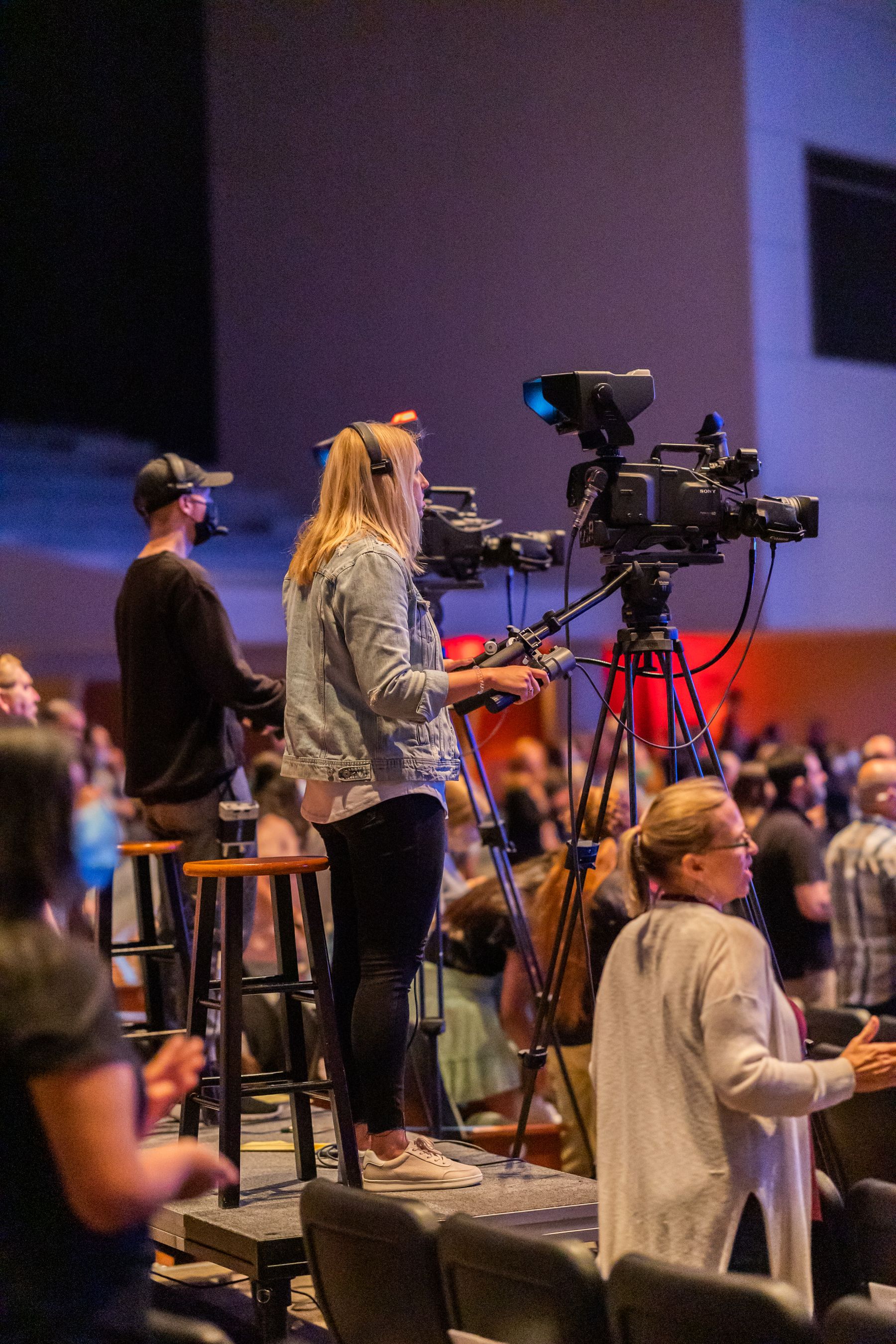
Photo: Michele Raffoni via Pexels, used under the Pexels License.
How should a new manager approach opportunities in India?
Approach opportunities with a relevant brief, not a generic “please listen” message. Before contacting a venue, promoter, brand, label or collaborator, know why the artist is a fit, what you are asking for, who will attend to logistics and what material proves the fit. A three-line email with one purposeful link can be more useful than a large unrequested attachment.
For a performance opportunity, have the artist’s live information ready: location, style, set length, recent show proof if available, technical needs, contact route and a realistic request. For a release or brand conversation, use the approved bio, project context, audience information the artist has authorised you to share and a clear next step.
Read our college-festival guide and independent-festival guide before pitching live opportunities. They explain the artist-side requirements that management has to coordinate. Do not claim that Kredl, a venue or a festival has a role available unless you have confirmed it with the right person.
Keep the relationship ledger clean
An introduction is not a booking. A reply is not an agreement. Log what happened, thank people promptly and do not push an artist’s private information into every conversation. If the answer is no, learn why only when it is appropriate, then move on. The goal is to become easy to work with, not impossible to avoid.
Early management reputation is built in the margins: whether you arrive with accurate information, whether you answer a simple question directly, whether you pass on bad news early, and whether you acknowledge other people’s work. Those habits travel further than a polished title in an Instagram bio.
How do you build a credible management portfolio?
Credit the artist’s work without inflating your own contribution. A strong first portfolio entry can say: “Project management for a single release: coordinated the deadline, asset checklist and collaborator handover.” That tells a future artist exactly where you were useful. “Managed launch” says almost nothing.
Keep a private record of each project, then publish only the details the artist permits. Include the date, objective, your specific role, collaborators, approved public links and one lesson you can safely share. Never publish deal terms, unreleased work, artist passwords, private contact details or an opportunity that has not been announced.
Our creative portfolio guide for freelancers in India explains how to make a case study around a real contribution. Kredl can help keep the record legible: use a profile to show projects, collaborators and credits that the people involved can recognise, rather than relying on unverified claims.
Make the work around an artist’s career easier to recognise. Build a Kredl profile around real projects, collaborators and accurate credits: kredl →
Frequently Asked Questions
Do independent artists in India need a manager straight away?
Not always. Indie Music India’s manager guide argues that management is most useful when there is real momentum, income or opportunity volume to handle. Before that point, an artist may need better project systems or occasional specialist support rather than an open-ended management relationship. Indie Music India
What can I manage as a beginner artist manager?
Start with a bounded task: a release calendar, one showcase, an approved artist information pack or a collaborator handover. Make the goal, approval process and exit date visible. A small completed project is stronger proof than an unlimited title with no completed work behind it.
Can an artist manager sign a contract for an artist?
Do not assume that authority. The artist should approve contracts, fees, rights, public statements and material career decisions in writing. For a paid or ongoing relationship, put roles and authority into a proper agreement and take legal advice for the specific circumstances.
How do I find an artist to manage in India?
Begin with an artist whose work you understand and who has a concrete next project. Offer a limited, useful pilot instead of asking for career control. Show that you know the artist’s goals, have read their existing material and can organise the next step without promising a booking, label deal or income result.
Manage the next useful thing
Artist management starts with stewardship, not status. Choose one real project, define your role, run the communication cleanly and credit everyone accurately. If the artist’s work becomes easier to release, perform, document or negotiate, you have made a real contribution.
When the project ends, review it together. Keep what worked, change what did not and decide whether there is a next project worth managing. That is a healthy way to build a management practice and a professional relationship at the same time.
Sources, methodology and image credits
- Indie Music India, “Artist management in India: what a manager does and when you need one”, reviewed 2026-08-31, retrieved 2026-10-15.
- Indie Music India, “Talent Buyers 101 Guide (India)”, retrieved 2026-10-15.
- AMG India, “Business Areas”, retrieved 2026-10-15.
- Independent Society of Musicians, “How to… Work with an Artist Manager”, updated 2026-07-31, retrieved 2026-10-15.
- Cover photo by cottonbro studio on Pexels, retrieved 2026-10-15, stored locally and used under the Pexels License.
- Inline photo by Michele Raffoni on Pexels, retrieved 2026-10-15, stored locally and used under the Pexels License.