How to Build a Creative Portfolio That Helps You Get Hired in India
A practical portfolio guide for Indian designers, photographers, editors, writers and other creative freelancers: choose the right work, explain your role and make it easy to contact you.

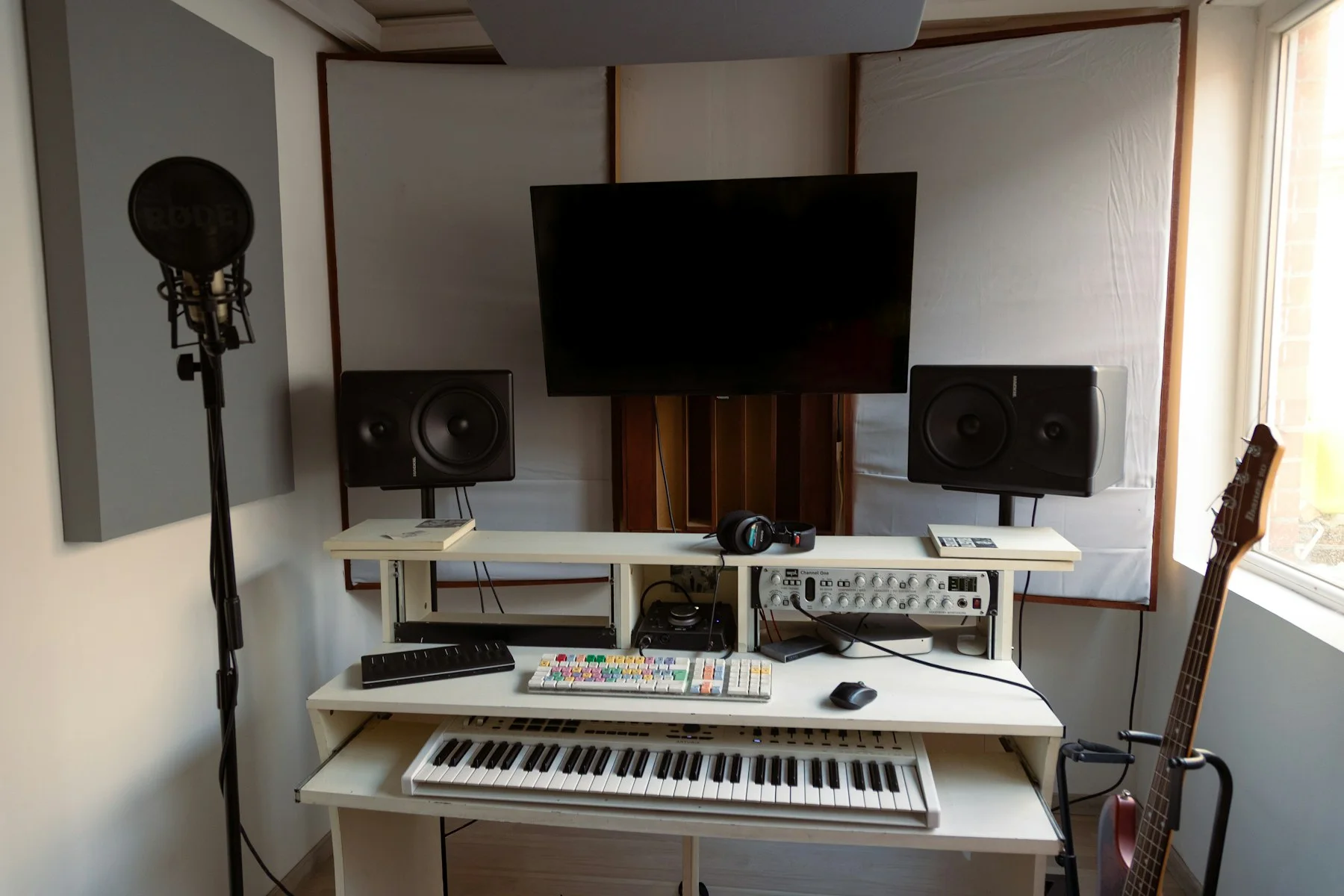
Cover photo: Mizuno K via Pexels, used under the Pexels License.
A useful creative portfolio answers four questions quickly: what you do, what kind of work you want next, what you personally contributed, and how someone can contact you. For freelancers in India, that is more useful than a long gallery of unrelated work. Build a short, focused body of proof, turn the strongest projects into clear case studies, and make your role and credits impossible to miss.
This guide is for designers, photographers, videographers, editors, writers, producers and other independent creative professionals. It is not an actor showreel guide; if acting is your craft, start with our actor portfolio and showreel guide for India.
Key takeaways
- Lead with the kind of assignment you want, not every assignment you have ever completed.
- Give each featured project a short story: the brief, your role, your process, the final output and the people who contributed.
- Show work at a quality that can be inspected, and make your contact route, availability and next step clear.
- Keep your portfolio, credits, rate conversation and invoice records aligned so a promising enquiry does not become an administrative scramble.
How to price creative work in India without guessing
Start with the work you want more of
Before choosing images or building a website, write one sentence that connects your craft to a buyer's problem. For example: "I edit short-form launch films for independent fashion and music teams," or "I photograph live performances for artists, venues and festivals." It gives you a filter for every project that follows.
Then sort your existing work into three piles:
| Keep near the front | Use only if it supports a case study | Leave out |
|---|---|---|
| Work that matches the clients, industries or formats you want next | A different format that proves an adjacent skill, such as a writer's interview that shows campaign research | Old work with weak craft, unclear ownership or no useful lesson for the next client |
| Projects where your role can be explained honestly | A personal project that demonstrates a specific point of view or process | Confidential work you do not have permission to show |
| Projects with clear files, credits and a usable contact or outcome | A team project where contributors can be credited correctly | Work included only because it was for a recognisable name |
Client work and personal work can both earn a place. Behance's editorial guidance explicitly encourages creatives to show both, and its case-study guidance frames the project page as a narrative rather than a dump of final visuals. The question is not whether a project was paid. It is whether it helps a future collaborator understand what you can do. Behance: The Importance of Personal Projects and Building the Perfect Case Study
A portfolio is a point of view, not an archive
You do not need a different identity for every skill you have learned. You do need enough focus that a music manager, agency producer, founder or fellow freelancer can picture when to call you. A photographer who also edits can present both skills around a coherent outcome. A designer who writes can show how the two disciplines improved a campaign. The work should make the connection, rather than asking the reader to infer it.
For artists, musicians and performers, a portfolio may overlap with an EPK, live reel or release page. The same principle applies: choose evidence that makes the next booking or collaboration easier to imagine, then name the people who helped make it.
Your portfolio is stronger when its work, collaborators and credits are easy to find. Build a professional profile around the work you want to be known for. kredl →
Turn your strongest projects into case studies
A gallery can show taste. A case study shows judgement. It tells a prospective client how you approached constraints, made decisions and worked with other people—especially valuable when they are hiring a freelancer they have not met.
Adobe expert and Behance contributor Scott Belsky recommends a simple case-study sequence: overview, challenge, process, solution and reflection. Adapt that structure to your medium instead of forcing every project into a corporate presentation. Behance: Building the Perfect Case Study
| Section | What to include | Example prompt |
|---|---|---|
| Overview | Project name, format, date and your role | "Campaign film editor for a three-video launch" |
| Brief or challenge | The creative or practical problem, without exposing confidential information | "The team needed the product story to work without a voiceover" |
| Process | Relevant research, sketches, shot selection, edits, revisions or production decisions | "I built a paper edit around the founder interview, then cut versions for each platform" |
| Final output | The finished video, images, copy, design files or links that you are authorised to share | "Final 45-second film, three cutdowns and a stills toolkit" |
| Credits and reflection | Your collaborators, client permissions and one honest lesson | "Direction by…, camera by…; the next version would allow more time for location sound" |
Do not turn every case study into a victory lap. If there was a limitation—a short turnaround, a small crew, a changing brief—describe it plainly and show the decision you made. That gives a future client a more useful signal than vague claims such as "delivered impact" without context.

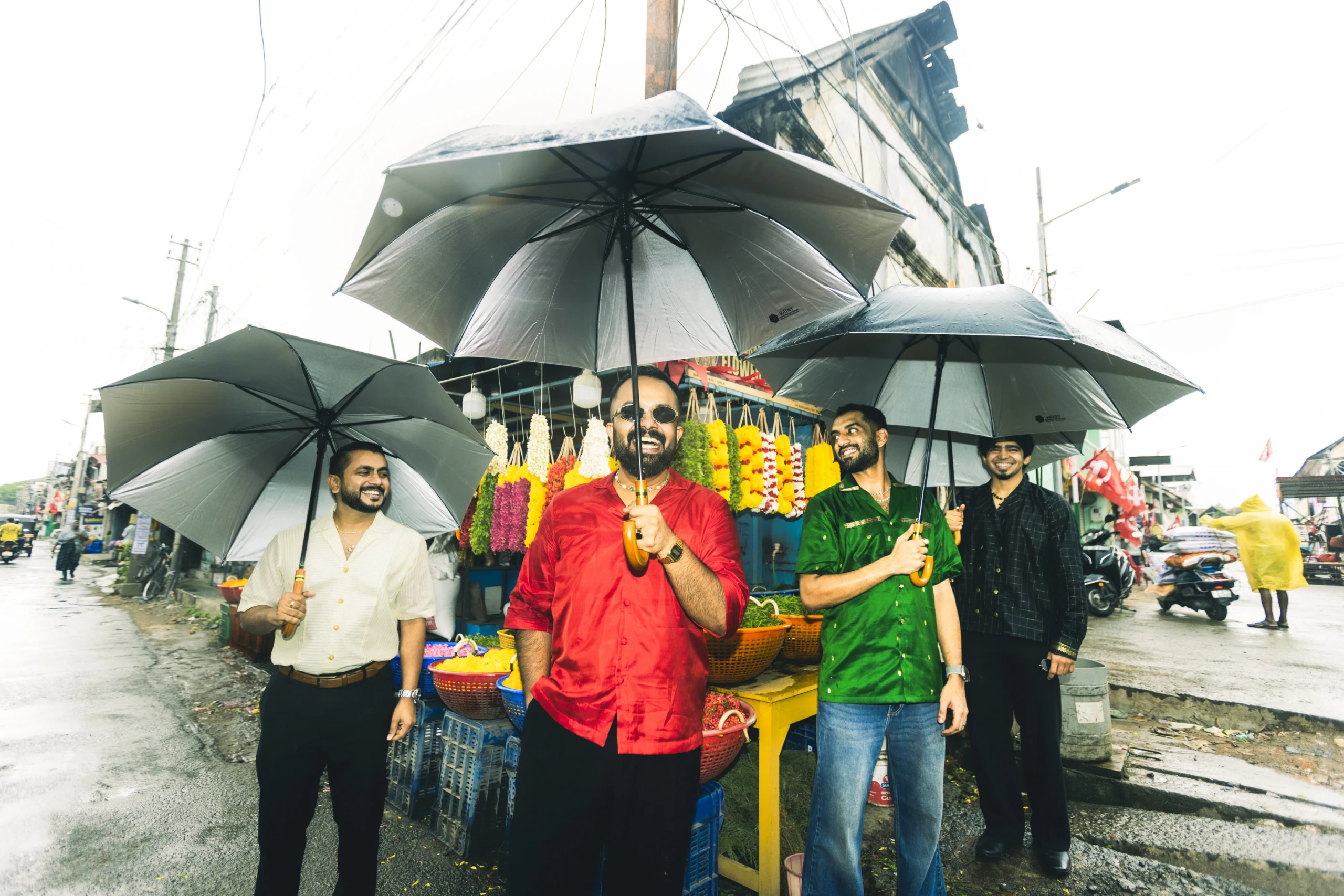
Photo: Ebahir via Pexels, used under the Pexels License.
Credit the work accurately
In a team project, do not imply that you directed, photographed, designed, wrote and delivered every part if you did not. List your actual role and name the collaborators whose contributions shaped the final work. Behance's portfolio guidance similarly advises creators to add collaborators when they contributed to a project. Behance: How to Get Featured on Behance
Accurate credits are professional courtesy, but they also make your portfolio more useful. A producer can see who has experience on a set. A manager can see that you know how to work in a team. A collaborator can refer the right person rather than trying to reconstruct a project from memory. For music work, use a written record before release; our song split-sheet guide explains one practical way to keep songwriting information clear.
Make the portfolio easy to review on a real assignment
Most people will not read your portfolio in the same conditions in which you built it. They may be on a phone between meetings, comparing a few links from a group chat, or opening a PDF while assembling a pitch. Reduce the work required to understand you.
Put your name and specialty where they are visible without scrolling. Add a current email address or professional contact route. State your location only if it matters to how you work, and say if you can work remotely or travel when that is genuinely true. Use simple file names and links that a client can open without requesting access.
For visual projects, presentation quality is part of the evidence. Behance recommends high-resolution visual material and, for a full project presentation, suggests multiple images rather than a single uncontextualised final frame. Treat that as a useful platform-specific benchmark, not a rule to pad a project with repetition. Behance: How to Get Started on Behance and How to Get Featured on Behance
Choose a simple portfolio stack
You do not need to be everywhere. Choose the smallest combination that helps the right people review and contact you:
- A portfolio home: a personal site, profile or well-organised platform page that states your focus and links to your best case studies.
- A shareable short version: a tightly edited PDF or selected project link for an application, pitch or message.
- A contact and credit record: an updated bio, contact route and credits that match the work you display.
Keep one master version of your bio, selected projects and contact information. When you update a case study, update the link you send in proposals too. For editors, a role-specific rate page or estimate can sit alongside the portfolio; use our guide to freelance video editor rates in India as a starting point for that separate pricing conversation.
Connect your portfolio to the rest of your freelance practice
A portfolio creates interest; it does not replace a clear scope, rate discussion, agreement or invoice. When someone enquires, respond with the relevant sample, ask about the brief and timeline, and put the agreed deliverables in writing before work begins.
This is where a clean operating system helps. If you are being paid as a freelancer, keep the project documents, invoice and tax records together. Our TDS guide for creative freelancers in India explains the tax-deduction questions to check with a qualified professional; it is not a substitute for tax advice. If a project becomes a collaborative release, agree the creative roles and credits before public delivery rather than trying to repair them after the fact.
A monthly portfolio check
Set aside a short recurring review after finishing a project:
- Ask whether you have written permission to show the work and whether launch timing affects that permission.
- Save final files, the approved credit line and the link a client can view.
- Write two or three plain-language notes about the brief, your role and the decision you are proudest of.
- Decide whether the project replaces an older item, becomes a new case study, or stays private.
- Check that your contact details, availability wording and portfolio links still work.
This habit is lighter than rebuilding an entire portfolio when a dream opportunity appears. It also means that your public work can remain selective without losing the process notes that make a future case study credible.
Frequently Asked Questions
How many projects should a creative freelancer put in a portfolio?
There is no single correct count. Include enough focused work to show range within your specialty, then make sure every item helps a potential client understand the work you want next. Behance's guidance recommends several images within a visual project presentation; that is different from adding every project you have made. Behance: How to Get Started on Behance
Can I include unpaid or personal projects?
Yes, when the work demonstrates the skill or point of view you want to be hired for and you can present it honestly. Behance's guidance notes that personal projects belong alongside client work. Label the context clearly; do not present a self-initiated concept as a commissioned campaign. Behance: The Importance of Personal Projects
What should I do if a client project is confidential?
Ask for written permission before sharing it. If permission is limited, you may be able to describe your role without publishing confidential files, or create a private, access-controlled version only if the client approves. Do not assume that being credited publicly authorises you to disclose source files, budgets or unreleased work.
Should I put my rates in my portfolio?
Only if a clear starting price or packaged offer suits your business. Otherwise, make it easy to enquire and prepare a relevant estimate after learning the brief, timeline and usage needs. A portfolio shows what you can do; pricing needs the project context. Read our creative pricing guide for India before setting a quote.
How is a portfolio different from a CV?
A CV lists experience, skills and chronology. A portfolio shows the work itself and explains the judgement behind selected projects. Many freelancers need both: a concise CV or bio for background, and a portfolio for proof of craft, role and collaboration.
Build proof before you need it
The strongest portfolio is not the flashiest collection of thumbnails. It is a clear, current record of the work you want to do next, the decisions you made and the people you worked with. Select carefully, explain your role, credit generously, and leave a simple route for a real client or collaborator to start a conversation.
Make it easier for the right people to find the work behind your name. Build a Kredl profile around your projects, collaborators and professional credits. kredl →
Sources and image credits
- Behance: Building the Perfect Case Study, retrieved 2026-10-13
- Behance: The Importance of Personal Projects, retrieved 2026-10-13
- Behance: How to Get Started on Behance, retrieved 2026-10-13
- Behance: How to Get Featured on Behance, retrieved 2026-10-13
- Cover photo: Mizuno K, retrieved 2026-10-13, used under the Pexels License
- Inline photo: Ebahir, retrieved 2026-10-13, used under the Pexels License