Year-End Music Events in India: The Questions Behind a Confirmed Gig
A seasonal explainer for Indian artists, managers and event teams: clarify music permissions, backing tracks, filming, credits and payment before a year-end show.
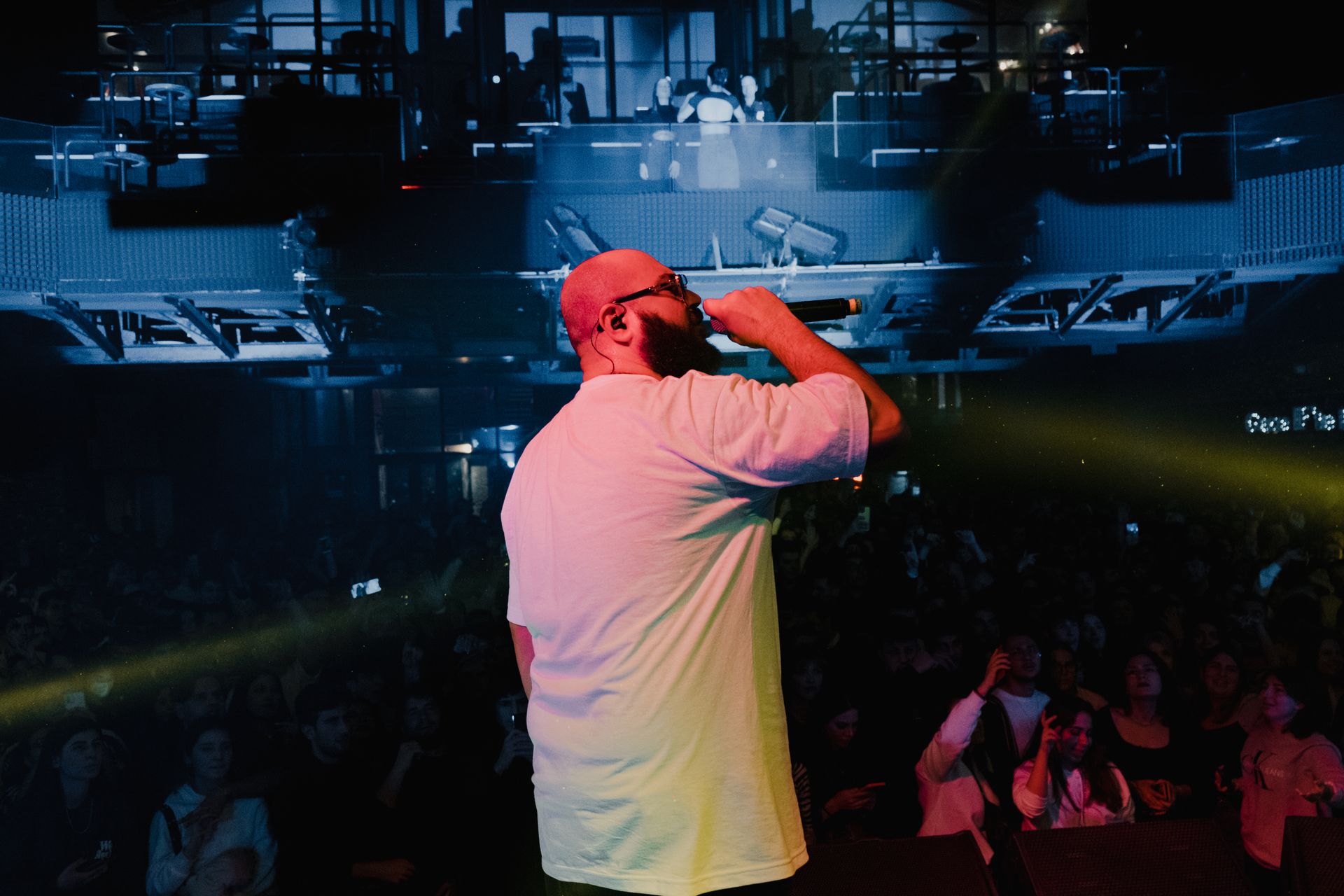
Cover photo: “Musician on Stage” by Faruk Tokluoğlu via Pexels, used under the Pexels License. The locally stored version is resized for delivery.
Year-end music events are often confirmed quickly: a brand night, a college social, a hotel show, a club booking, a ticketed concert or a private party. Before the group begins rehearsing a special set, someone needs to turn the “yes” into a working brief. The essential questions are not glamorous: what music will be performed, whether recorded material or backing tracks will be used, who is filming, who is responsible for permissions, and what exactly has been agreed about money, credits and delivery.
This is a seasonal event explainer for artists and the people who enable them. It is not legal advice, and it does not assume that every event needs the same permissions. The organiser’s current event brief and the relevant rights-holder or licensing body are the controlling sources. The point is to prevent a band, DJ, manager and event producer from discovering different assumptions at soundcheck.
Key takeaways
- Ask whether the event will use original live music, cover songs, DJ playback, backing tracks or recorded walk-in music; those uses can raise different permissions questions. IPRS, “Choose your license”
- PPL India says recorded music used as a filler, minus-one track or backing track at a live event needs a PPL Event Licence when it falls within PPL’s repertoire. PPL India FAQ
- A confirmed booking needs an operational record beyond the artist name: venue, timing, act format, technical scope, contacts, recording plan and payment terms.
- Keep permissions, performer agreements and collaborator credits in separate records. A social-media poster does not settle them.
Technical riders and stage plots for Indian live shows
Year-end music events in India start with a production conversation
The useful response to a year-end offer is not only “What is the fee?” It is “What is the event?” A live band set, DJ performance, acoustic cover set and show with playback can have different technical, rights and delivery needs. India Cine Hub’s live-event guidance treats permissions as a distinct part of producing an event, alongside the creative programme itself. India Cine Hub, “Live Event Permissions”
Start with a written confirmation containing the date, venue, arrival and performance windows, set length, act format, fee, reimbursement terms, contact people, supplied production, hospitality if any, and the agreed recording or livestream plan. This is not bureaucracy for its own sake. It gives every person around the show the same version of the job.
The artist’s side should name one person who can answer production questions. The event side should name one person who can approve a change. If the stage manager, artist manager, sound vendor and campus coordinator are all working from different WhatsApp messages, the actual artist is likely to absorb the confusion.
A clear brief protects the mood of the show. When roles, timing and content have already been discussed, a guitarist can concentrate on a broken string and a vocalist can concentrate on the room—not on whether somebody quietly promised a livestream, a cover set or an extra hour.
The music plan should be specific before it is impressive
The IPRS guidance says public performance of musical and literary works can require licensing, and identifies event promoters, premises owners and performers as people with responsibilities to copyright owners when music is used. It also says it generally expects proprietors or promoters to secure licences for musical-entertainment events. IPRS, “Choose your license”
For a working team, that means the music plan should be written in plain language. Is the act playing original songs only? Are there covers? Is there a DJ set between live performances? Does a vocalist use a minus-one track, sampled intro or backing vocal stem? Is background music running as guests arrive? Do not try to answer every legal question from a blog post. Identify the use, then ask the organiser to confirm what has been arranged and what still needs clearance.
PPL India makes one important distinction explicit: it says an Event Licence is required for recorded music in its repertoire used at an event, including as filler, a minus-one track or a backing track during a live show. This does not mean every recording is handled by the same rightsholder or that the artist should assume responsibility for the event. It does mean a “live show” can still involve recorded-music questions. PPL India, “Do I need PPL license for a live Event?”
If the group is performing a cover, a remix, a medley or a work with samples, flag it early. Do not write “all music rights cleared” in a performance email unless the responsible party has actually confirmed the relevant position. For original releases, our song split-sheet guide helps teams keep songwriting decisions out of last-minute event messages.
Filming turns a show into another project
An event may want a short recap, a full performance video, a sponsor reel, a livestream, a DJ recording or a later social-media cut. Those are not interchangeable. Treat filming as a separate part of the booking: a conversation about a live set does not automatically settle the ways a recorded clip may be edited, promoted or retained later.
Before cameras arrive, agree in writing:
- what is being captured and for which channels;
- whether the artist, event and sponsors may edit or repost it;
- whether the video will be monetised, boosted or retained after the campaign;
- who approves any use that puts a performer beside a brand claim;
- the camera crew’s credit, access and delivery plan.
This is especially important for a year-end recap, where one minute of footage can be reused long after the stage is packed down. The right answer may be simple permission for a few clips. It may also require a more detailed agreement. The key is to decide before the footage has value to someone else.
The camera is a second audience with a longer memory. A good live clip can become valuable proof for the artist, photographer, event producer and sponsor. That is why a filming plan belongs in the confirmed-gig brief, not in a rushed conversation after the performance.
Credits and payments need their own lines
An event team may be handling the artist, manager, stage manager, sound engineer, lighting crew, photographer, videographer, designer, promoter and venue. Give each person a clear function in the record. Kredl’s live-site language is built around visible work and collaborator-confirmed credits; the same principle helps a year-end show remain useful to everyone after the night ends.
Keep the records separate:
| Record | What it should answer |
|---|---|
| Artist agreement or confirmation | Set, fee, payment timing, cancellation terms, travel, hospitality and production commitments |
| Technical advance | Input list, stage plot, monitoring, backline, soundcheck and crew contact |
| Music and permissions note | Original music, covers, recorded playback, known rights questions and the organiser’s responsible contact |
| Filming consent or agreement | What may be captured, used, edited, posted and credited |
| Credit sheet | Approved names and roles for performers, crew and visual collaborators |
Use our music-credit map for Indian releases when the show will create a release-facing clip or recording. The public credit list should accurately describe contribution; it should not silently substitute for a payment agreement, a split sheet or a consent form.
For payment, confirm the scope rather than relying on a headline number. Does the amount cover one set or two? Are travel and accommodation included? Is it a band fee or an individual fee? Who raises the invoice? What is the payment date? Clarity here is not aggressive. It is how a working relationship stays workable.
The quiet final check before soundcheck
The final check should be short enough that it happens. The event side can confirm venue, date, performance window, event format and recording plan. The artist side can add set version, playback status, stage contact, film contact, fee confirmation and contributor credits.
Read this list together:
- Is the act, set length and performance time confirmed?
- Are original songs, covers, DJ material and any recorded playback identified?
- Does the organiser know which music use or permission questions it owns?
- Is filming, livestreaming and sponsor use agreed in writing?
- Are fee, invoice, travel and payment timing clear?
- Do the artist, sound crew and stage manager have one working contact each?
- Are performer and crew credits captured before the night becomes a blur?
This is a practical pre-show meeting, not a demand that a student promoter or small venue become a legal department. When a point remains uncertain, mark it as unresolved and ask the relevant organiser, licensing body, rightsholder or qualified adviser before representing it as complete.
Frequently Asked Questions
Does a live event in India need music permissions if the artist plays original songs?
It depends on the works performed, the rights involved and the event’s facts. IPRS says public performance of works in its repertoire can require a licence and tells event promoters or venue proprietors to check licensing before use. Do not assume an artist’s original set and an event’s complete music use raise the same questions. IPRS
Are backing tracks different from a fully live set?
They can be. PPL India says an Event Licence is required when recorded music from its repertoire is used as a filler, minus-one track or backing track during a live event. Confirm the actual source material and which party is handling permissions before the show. PPL India
Can an organiser post a year-end performance recap without asking the artist?
Do not assume so. A live performance and a recorded promotional asset are different uses of an artist’s work and likeness. Agree the scope of filming, posting, editing, sponsor use and credit before the event. If the use is commercial, ongoing or unclear, get the relevant agreement or qualified advice before publishing.
What should an independent artist confirm before accepting a December or New Year gig?
Confirm the venue, arrival and performance window, set format, fee and payment timing, technical provision, recording plan, credits and a single event contact. Then identify any cover-song, playback or rights question that needs the organiser’s response. A concise music EPK can make the booking conversation easier to manage.
Sources, methodology and image credits
This is a seasonal editorial explainer for India-based artists, managers and event teams. It is not legal advice. Music-rights obligations, public-performance permissions, local permissions and contracts can differ by venue, repertoire, event format and jurisdiction. Confirm the current position directly with the organiser, rights-holder, licensing body or qualified adviser.
- IPRS, “Choose your license”, public-performance licensing guidance, retrieved 2026-11-05.
- IPRS, “Get your license”, licensing routes and FAQs, retrieved 2026-11-05.
- PPL India, “FAQs: Get PPL License”, retrieved 2026-11-05.
- India Cine Hub, “Live Event Permissions”, retrieved 2026-11-05.
- Cover image: “Musician on Stage” by Faruk Tokluoğlu via Pexels, Pexels License, retrieved 2026-11-05. The locally stored version is resized for delivery.