How to Become a Live Sound Engineer in India: A Practical Start
A practical starting guide for aspiring live sound engineers in India: learn the signal path, get useful room experience, document shows and become someone artists and production teams trust.
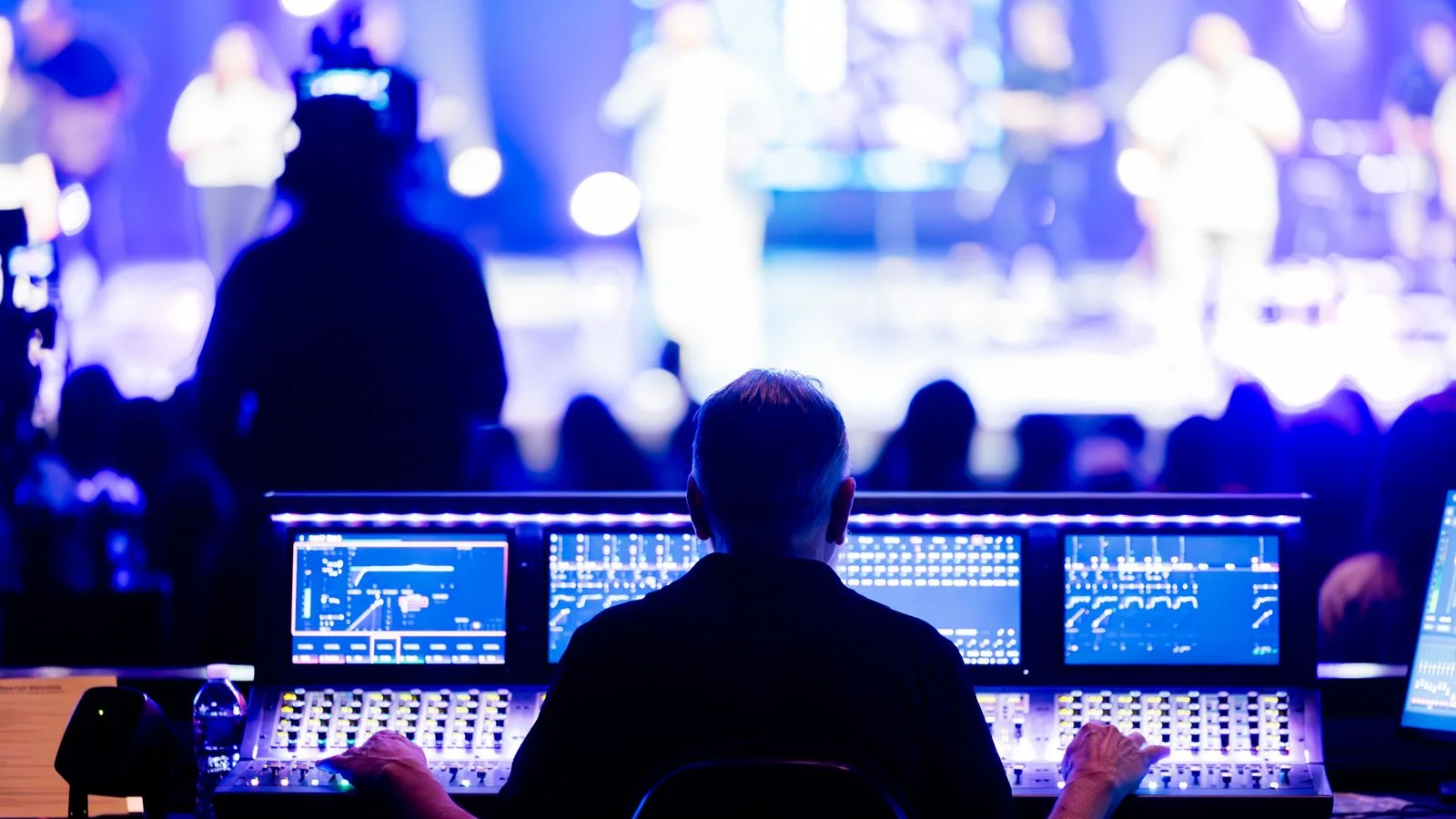
Cover photo: Caleb Oquendo via Pexels, used under the Pexels License.
The most reliable route into live sound in India is to become useful in a real room before you try to run a headline set. Learn the signal path, watch how an experienced crew prepares a stage, take small responsibilities seriously, and build a record of the shows you helped deliver. A live sound engineer is hired for calm judgement under time pressure as much as for knowing where the EQ button is.
This guide is for people who want to work with bands, venues, festivals, theatre teams, conferences and independent events. It focuses on entry-level career steps, not a promise that one course or one console will turn someone into a front-of-house engineer.
Key takeaways
- Start with the practical workflow: set up, label, test, listen, communicate and strike safely.
- Learn live audio in rooms with people and changing conditions; recording at home is useful but not the same job.
- Keep a factual show log with your role, the system, the crew and what you solved.
- Make artists’ and production teams’ work easier by arriving prepared, asking precise questions and documenting changes.
How India’s independent music festivals work—and where technical teams fit
What does a live sound engineer actually do?
Live sound work is the process of getting performers, microphones, instruments, playback, monitors and a room to function as one system for an audience. Depending on the job, you may assist with loading and patching, prepare a console, manage monitor mixes, operate front of house, coordinate with a production manager, or restore order when a cable, input or cue changes at the last minute.
India’s National Qualification Register describes the related Sound Assistant role as setting up, maintaining and disassembling sound equipment, capturing sound and aligning a sound system; it lists Sound Engineer/Sound Designer as a progression path. That is a useful career map: do the essential work well first, then take responsibility for larger decisions as your judgement grows. National Qualification Register: Sound Assistant in the Media & Entertainment Industry
The room decides what “good” means
A mix that feels controlled in headphones can fail in a crowded venue, a rehearsal room, an outdoor stage or a conference hall. The engineer has to listen to the actual room, the actual performers and the actual loudspeaker system. That is why early work should include load-ins, line checks, soundchecks and strikes—not only time spent watching console tutorials.
The entry-level advantage is not pretending to know every console. It is becoming the person who labels channels, follows the patch, protects the schedule and asks before changing a critical setting. Crews remember that reliability. It gives you more chances to listen, learn and eventually mix.
Which skills should you learn before asking for a live-sound shift?
Learn the basic signal path well enough to explain what each stage is doing: source, microphone or direct input, cable, stage box, console channel, processing, bus, amplifier or powered loudspeaker, and monitor path. You do not need to memorise every brand before your first call. You do need to recognise the path you are responsible for and report a problem clearly.
Shure’s training on acoustic feedback covers causes and corrections such as microphone and loudspeaker placement, equalisation and automatic mixing. Use manufacturer education as a technical foundation, then test those ideas under supervision in real rooms. Do not “ring out” a system or change gain structure on a working show without the lead engineer’s permission. Shure Academy: How to Solve Your Feedback Problems
| Skill area | What to practise | Evidence you can document |
|---|---|---|
| Signal flow | Trace an input from stage to speaker and identify every handoff | A labelled patch or stage-input list, where the production permits it |
| Console workflow | Name channels, groups, monitor sends and scene changes on the desk you are using | A show file or console note, with no client material shared publicly |
| Microphones and monitors | Place, test and listen before artists arrive | Your pre-show checklist and notes on what the lead engineer requested |
| Communication | Repeat a request accurately, confirm changes and flag a risk early | A clean show log that credits the crew and states your actual role |
| Stage discipline | Coil cables, protect connectors, keep pathways clear and strike methodically | A reference from the production lead after repeat calls |
Practise in a sequence that builds trust
Start with simple, reversible tasks: cable management, labelling, microphone stands, a line check under direction and a written input list. Then ask to observe the console during soundcheck. When the lead trusts you, take a clearly bounded task such as a support-act monitor mix or a small room’s playback route. The progression should follow proven responsibility, not the size of the artist on the poster.
If you are a musician learning both sides of the stage, use your artist experience carefully. You may understand what a performer needs, but the engineer still has to manage gain, routing, room acoustics, stage volume and a production schedule at the same time.
How can you get real experience in India?
Look for rooms that run frequently: local venues, college cultural teams, rehearsal spaces, houses of worship, theatres, event-production suppliers and small festivals. The first paid or unpaid call should have a legitimate lead and defined responsibility; do not accept vague work that asks you to rent equipment, pay a “registration” fee or operate a system beyond your experience without support.
College events are one realistic place to learn production vocabulary because they involve artist advances, schedules, technical riders and last-minute coordination. Read our college-festival guide from the artist side, then ask a production lead how the same information reaches audio, lighting, stage management and backline teams.
For independent festivals, prepare differently from a studio session. There may be several artists, shortened changeovers, visiting engineers, different stage plots and shared equipment. Our independent-festival guide explains how those events are structured for performers; technical teams need the same respect for deadlines and clear communication.
Ask for a call, not a career promise
Send a concise message to a venue technical manager or a production company: state your city, availability, the equipment or roles you have worked with, and the specific work you can assist with. Include a truthful one-page show log or profile. Do not write that you are an engineer on a major tour if you shadowed one soundcheck.
Good first questions are practical: “Who is leading audio?”, “What should I bring?”, “Which tasks need help at load-in?”, and “May I observe the console once the stage is ready?” They show you understand that the crew’s priority is the show, not your lesson.
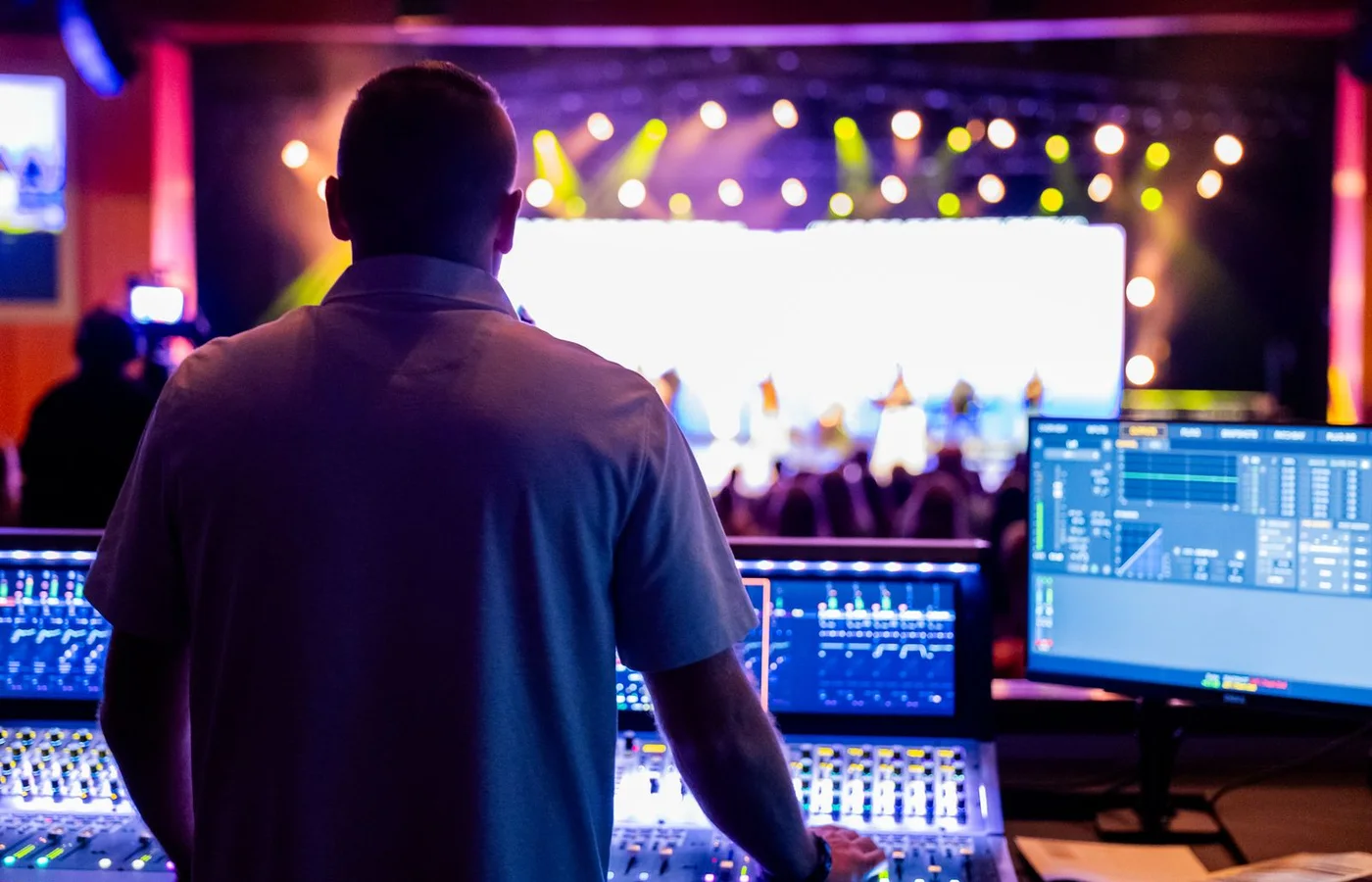
Photo: Caleb Oquendo via Pexels, used under the Pexels License.
Build a portfolio that production teams can use
A live-sound portfolio is not mainly a glamour reel. It is proof that you can work safely and clearly with other people. Keep a private working log for every approved show, then turn the strongest, permission-cleared entries into a simple public record.
For each job, note the date, city, venue or event type, your exact role, the lead engineer or production company, the artist or programme where credit is allowed, the desk or system you worked on, and one useful lesson. A sound assistant, monitor technician and front-of-house engineer are different roles. Naming the right one helps a future lead place you properly.
| Show-log field | Why it helps |
|---|---|
| Role and scope | Stops an assistant call from being represented as a full-mix credit |
| System notes | Shows the environments and workflows you have actually encountered |
| Crew and artist credits | Gives future collaborators an accurate network context |
| Permission status | Prevents you from posting confidential rider, console or rehearsal material |
| Reflection | Captures the technical or communication lesson while it is still useful |
Use the same principles in a public portfolio: select real work, explain your contribution, credit collaborators and make a contact route easy to find. Our creative portfolio guide for freelancers in India shows how to turn work into a case study without claiming every contribution as your own.
The best portfolio line may be modest: “Assisted with patch, line check and stage changeovers for…” That is more valuable to the next lead than a vague “live sound professional” headline, because it tells them what they can safely ask you to do on the next call.
How should you work with artists and production teams?
Before an artist arrives, find out the input list, stage plot, playback needs, monitor preferences, guest performers, changeover plan and the person authorised to approve changes. You may not receive all of that on a small show. The habit still matters: ask early, write the answer down and escalate missing information to the lead engineer or production manager.
During soundcheck, communicate in short, observable statements. Confirm the channel, source and request. If an artist says “I can’t hear myself,” first establish which monitor mix and microphone or instrument path they mean. Do not diagnose a problem by announcing theories across the room. Listen, trace the signal under the lead’s process, and report the result.
For a hired freelance call, clarify the agreed role, hours, equipment responsibility, travel, payment route and what happens if the schedule changes. A clear project note protects both sides; use our creative freelance contract checklist to structure the conversation. Before you name a fee, use the creative pricing guide for India to separate the scope from a guess. Neither guide is a substitute for a production contract or legal advice.
Treat credits as part of the handover
Audio work is often invisible when it goes right. Keep it visible in your own records. Ask how the production credits technical crew, get names spelled correctly, and do not publish images or documents from backstage without permission. Kredl’s positioning around collaborator-confirmed credits makes that discipline especially useful: the work should be easy to recognise without overstating your role.
Make the work behind the show easier to recognise. Build a Kredl profile around the projects, crew roles and collaborators that reflect what you actually do. kredl →
A simple pre-show note to carry on every call
Use a short note you can update with the lead engineer. It should reduce forgotten details, not replace the venue’s safety process or a professional system plan.
Event / room: [name, date, city, load-in time]
Audio lead and escalation contact: [name and phone]
My role today: [assistant, patch, monitors, playback, front of house or another defined task]
Inputs and priorities: [key microphones, DI inputs, playback, guest artists and special cues]
Stage and monitor notes: [stage plot, monitor mixes, changeover needs and approved changes]
System and safety notes: [venue instructions, cable routes, power or access concerns and who can authorise a change]
Strike and handover: [what you return, where you log issues and who confirms closeout]
Frequently Asked Questions
Do I need a formal course to become a live sound engineer in India?
Training can give you vocabulary and a structured technical base, but it does not replace supervised room experience. The National Qualification Register’s Sound Assistant role includes setup, maintenance, disassembly, capture, system alignment and workplace health and safety; use those functions as a practical learning list while you seek legitimate calls. National Qualification Register
Is studio engineering the same as live sound?
They overlap in listening, signal flow and audio tools, but the live environment adds room acoustics, monitors, stage volume, audience conditions and an event schedule. Studio experience is useful preparation, not proof that you can run an unfamiliar venue alone. Begin with supervised live responsibilities and build from there.
What should a beginner put in a live-sound portfolio?
List only work you can describe accurately: date, event type, city, role, crew or company when permission is granted, system or console familiarity and a short reflection. Do not publish rider pages, artist files, backstage images or console show files without explicit approval. A clear assistant credit is credible career evidence.
How do I avoid feedback during a show?
Feedback management starts before the audience arrives: follow the lead engineer’s system process, understand microphone and loudspeaker placement, and make changes deliberately. Shure’s feedback training covers placement and equalisation among the relevant foundations. Never experiment on a working system without the engineer responsible for it. Shure Academy
Can I call myself a front-of-house engineer after assisting at a show?
Only if you were actually responsible for that role. Sound assistant, monitor technician and front-of-house engineer describe different responsibilities. State the work you did, credit the lead, and let repeated experience widen the work you can responsibly take on. That accuracy builds more trust than a larger title.
Build a career people can rely on
Live sound is a craft of preparation, ears and composure. Start in rooms where a good lead can correct you. Learn the signal path until it is ordinary. Keep your show log honest. Then use every call to become easier to hire: prepared before the room opens, clear during a problem, generous with credits and dependable through strike.
Sources and image credits
- National Qualification Register: Sound Assistant in the Media & Entertainment Industry, retrieved 2026-10-14
- National Skill Development Corporation: Sound Engineer qualification pack listing, retrieved 2026-10-14
- Shure Academy: How to Solve Your Feedback Problems, retrieved 2026-10-14
- Shure: Educational articles, booklets and bulletins, retrieved 2026-10-14
- Cover photo: Caleb Oquendo, retrieved 2026-10-14, used under the Pexels License
- Inline photo: Caleb Oquendo, retrieved 2026-10-14, used under the Pexels License