How Sona Mohapatra Built an Independent Music Career on Her Own Terms
Sona Mohapatra's career offers Indian musicians a practical lesson: build the team, release rhythm and point of view that let original work continue beyond any one film-song cycle.

Cover photo: Sona Mohapatra, by Ashveta Budhrani, via Wikimedia Commons, used under CC BY-SA 4.0.
Sona Mohapatra built an independent music career by treating authorship, releases and the work around a song as part of the artist's job. Her route has included advertising, a debut album, film songs, original music and a documentary—but the durable lesson is not that every singer needs the same credits. It is that an artist who wants room for original work needs a repeatable way to make it, release it and stay connected to listeners.
Mohapatra has said her ambition was not to become only a playback singer, but to put out her own music. In 2020, she told Hindustan Times that an existing team, infrastructure and distribution chain made it possible for her to keep releasing during the lockdown, rather than waiting for a label. Hindustan Times, “Hoping we take more pride in growing an independent ‘music industry’”
Key takeaways
- A first job outside music does not disqualify an artist; it can teach planning, budgets and communication that later support creative work.
- A notable song can open a door, but a release system and clear point of view are what keep an independent career moving.
- Live work, collaborators, credits and a small operating team deserve the same care as a music video or social post.
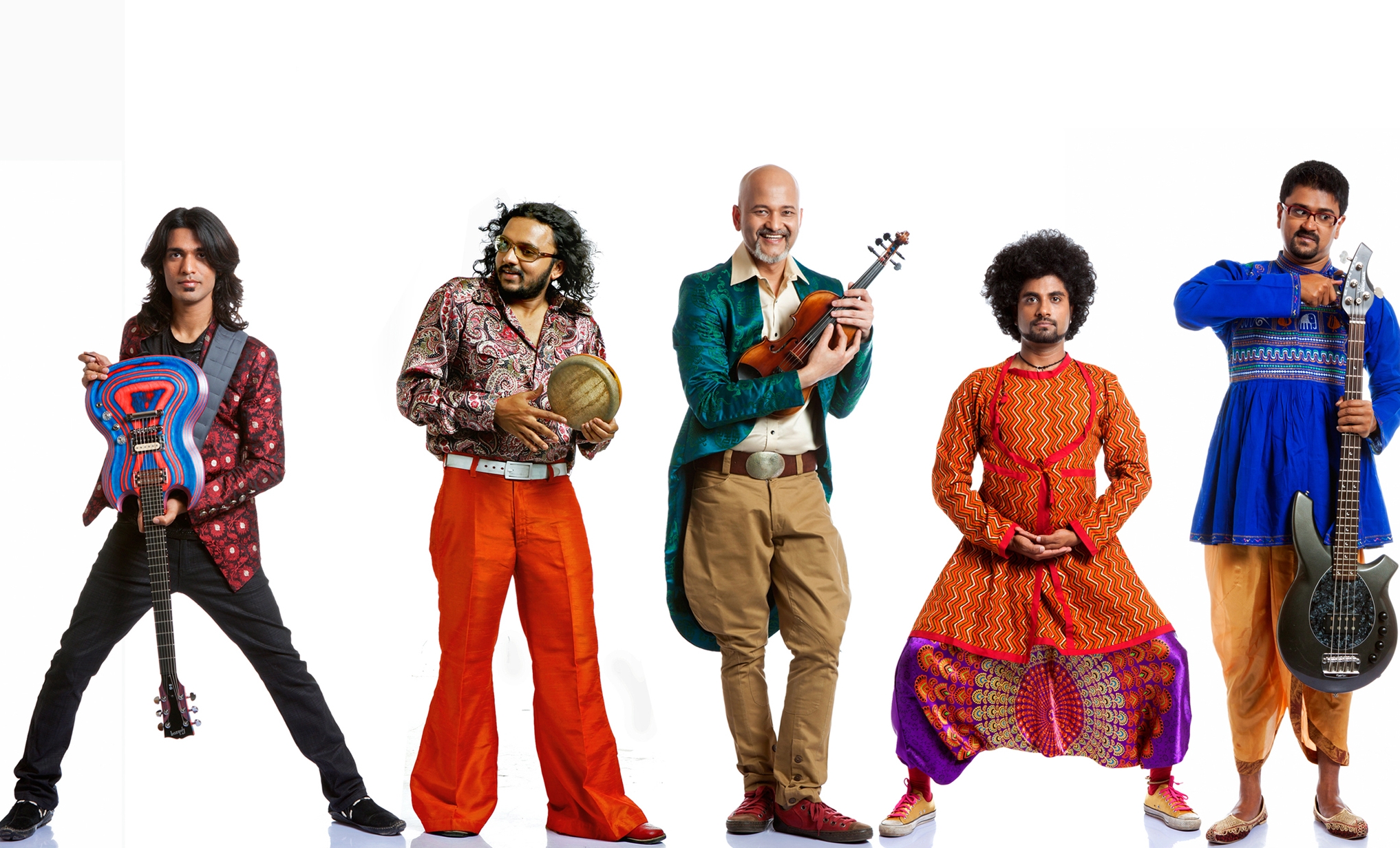
How Swarathma built an Indian folk-rock band that lasts
What did Sona Mohapatra do before music became her full-time work?
Mohapatra did not begin with the usual image of a musician waiting to be discovered. In 2006, India Today described her as a business-school graduate who left a corporate job to launch her debut album, Sona. A contemporary Hindustan Times profile likewise described her as a BTech graduate and former brand manager who had chosen to pursue music. India Today, “A different tune” Hindustan Times, “Much-awaited debut”
That change is useful to read as a professional decision, not a romantic leap. A job can leave an artist with transferable habits: meeting deadlines, communicating an idea, working with a team and understanding that creative work also needs an operating plan. None of that writes a melody. It does make it easier to carry a melody from a rough phone recording to a finished release.
The 2006 Hindustan Times report described Sona as her debut album and quoted her on the personal stories behind its songs. A release listing from Qobuz identifies Sona as a Sony Music Entertainment India release dated 1 September 2006. Hindustan Times, “Much-awaited debut” Qobuz, Sona
For a musician with another source of income today, the immediate lesson is modest: do not wait for the perfect exit story. Set a real creative cadence first—writing time, rehearsal, a small recording budget and a date by which one piece of work will be shown to other people. A career gets clearer when the work has a schedule.
The bridge between a day job and music is rarely one dramatic resignation. It is a series of dependable systems: a calendar, a savings buffer, collaborators who know their task, and a release that has a defined next step.
Why did original releases remain central to her approach?
Mohapatra has been explicit about the distinction. In a 2016 interview with The New Indian Express, she said her dream was not to be a playback singer but to be an artist who released her own music. The New Indian Express, “Pitch perfect with Sona Mohapatra”
That does not mean film work and independent work need to be enemies. They can do different things. A film song may introduce a voice to listeners who would not otherwise encounter it; an original release lets an artist define the writing, collaborators, visual language and release timing more directly. The question for a developing artist is not which lane is morally superior. It is whether the work in each lane supports the artist's longer-term identity.
Mohapatra's early album, later singles and work such as Piya Se Naina show a career that has kept original material in the public conversation alongside other commissions. In a 2024 interview with The Telegraph, she described Piya Se Naina on Coke Studio as a live vocal, while also naming songs from her first album that listeners still request at shows. The Telegraph, “Sona Mohapatra on serving a ‘tasty snack’ with her latest song Senti Akhiyaan”
For an Indian singer-songwriter, this is a useful release test. Before accepting a project or planning a single, ask: does it sharpen what people can book, stream or come to a show for? A sensible answer may be “it pays for the next original release.” It may also be “it belongs in my repertoire.” What matters is saying which one it is.
What did the pandemic release run reveal about independence?
In November 2020, Hindustan Times reported that Mohapatra had released 11 songs in eight months after the March lockdown began. She attributed the ability to keep moving to a team, infrastructure and distribution chain already in place; a separate year-end report said nine of those 11 tracks were released independently. Hindustan Times, “Hoping we take more pride in growing an independent ‘music industry’” Hindustan Times, “2020: The year indie music made it to the mainstream”
The number is less important than the preparation behind it. Independent does not mean doing every job alone. It means knowing who owns the next task when the track is mixed: artwork, metadata, distribution delivery, video, press note, show pitch and payment follow-up. A small, named team can be more useful than a large, vague contact list.
Start with a release sheet that everyone can see. For each track, list the writer and producer credits, master owner, split-sheet status, artwork deadline, distribution deadline, live version, short video assets and the one person responsible for each task. Our song split-sheet guide for India can help document contributors before the track leaves the session.
Consistency is not releasing every week. It is being able to explain, at any moment, what is complete, what is blocked and who has to move the song forward next.
How did she make the artist's point of view part of the work?
An artist's public voice is bigger than marketing copy. It includes the songs they choose, the subjects they return to and the people with whom they make the work. Mohapatra's 2019 documentary Shut Up Sona, directed by Deepti Gupta, made the stakes of that voice visible beyond a single release. The International Film Festival Rotterdam lists the film as an 85-minute Indian documentary from 2019, credits Mohapatra as producer, and identifies Omgrown Music as the world-rights holder. IFFR, Shut Up Sona
The documentary is not a template for every musician to make a film about their life. Its career lesson is simpler: an artist can choose formats that deepen the meaning around their work. That might be a live session, a short performance film, liner notes, a carefully documented collaboration or a regional-language release with context that a new listener can enter.
Be precise, though. A strong point of view is not created by constant reaction. It is created when the creative choices, collaborators and public materials tell the same truthful story. If the songs are intimate and voice-led, a high-gloss campaign that says nothing about the music may create attention without recognition.
What can emerging musicians borrow from this career without copying it?
Mohapatra's career contains circumstances that cannot be reproduced: a particular catalogue, collaborators, timing and public platform. The reusable part is the sequence of decisions.
- Decide what is yours. Name the original songs, sound, languages and performance identity that you want people to associate with you.
- Make the release team visible. Confirm songwriter, producer, musician, engineer, video and design credits before launch—not after an argument.
- Use other work strategically. Sessions, jingles, commissions and film work can be valuable, but give each one a purpose in the larger plan.
- Prepare the live version. A reliable live set turns a release into something a promoter can programme. Use our live setlist guide for Indian gigs to plan the arc and practical hand-offs.
- Keep a clear booking package. A concise bio, actual live clips, current contact details and production information are more useful than a long link dump. If you are approaching rooms, start with our guide to pitching a band to music venues in India.
Kredl can help creative people make the real collaborators and confirmed credits behind a project easier to see. It cannot replace rehearsal, songwriting or a release plan. But clear credits and a truthful body of work give the next collaborator, venue or commissioner a much better basis for saying yes.
Frequently Asked Questions
What is Sona Mohapatra known for as an independent artist?
Mohapatra has repeatedly described original music as central to her career, rather than treating playback work as the only destination. In 2020, she told Hindustan Times that her existing team and distribution setup helped her continue releasing music while live work was paused. Hindustan Times
What was Sona Mohapatra's debut album?
Her debut album was Sona. Hindustan Times reported on its promotion in October 2006, and Qobuz lists it as a Sony Music Entertainment India release dated 1 September 2006. Hindustan Times Qobuz
How many songs did Sona Mohapatra release during the 2020 lockdown period?
Hindustan Times reported in November 2020 that she had released 11 songs across eight months after the March lockdown began; its year-end report said nine were independently released. Those figures describe that specific period, not a general benchmark for every artist. Hindustan Times
What should an independent musician prepare before a release?
At minimum, confirm credits and splits, identify who owns the master, prepare delivery metadata and artwork, decide the live version, and give each post-release task a named owner. A simple release sheet is more valuable than an elaborate campaign with no responsibilities attached.
Sources, methodology and image credits
This is an editorial career profile, not an authorised biography. It draws only on reported interviews, established festival documentation and the credited image record; interpretations and practical lessons are Kredl's.
- India Today, “A different tune”, published 2006, retrieved 2026-10-28.
- Hindustan Times, “Much-awaited debut”, published 2006, retrieved 2026-10-28.
- Qobuz, Sona, release listing, retrieved 2026-10-28.
- The New Indian Express, “Pitch perfect with Sona Mohapatra”, published 2016, retrieved 2026-10-28.
- Hindustan Times, “Hoping we take more pride in growing an independent ‘music industry’”, published 2020, retrieved 2026-10-28.
- Hindustan Times, “2020: The year indie music made it to the mainstream”, published 2020, retrieved 2026-10-28.
- The Telegraph, “Sona Mohapatra on serving a ‘tasty snack’ with her latest song Senti Akhiyaan”, published 2024, retrieved 2026-10-28.
- International Film Festival Rotterdam, Shut Up Sona, festival catalogue, retrieved 2026-10-28.
- Cover image: “Sona mohapatra.jpg”, depicts Sona Mohapatra; photo by Ashveta Budhrani, CC BY-SA 4.0, retrieved 2026-10-28. No changes were made to the image beyond local storage for site delivery.