How to Pitch Your Band to Music Venues in India
A practical guide to pitching a band, singer-songwriter or DJ to Indian music venues: find the right booker, make the case for the room and turn a reply into a workable show.
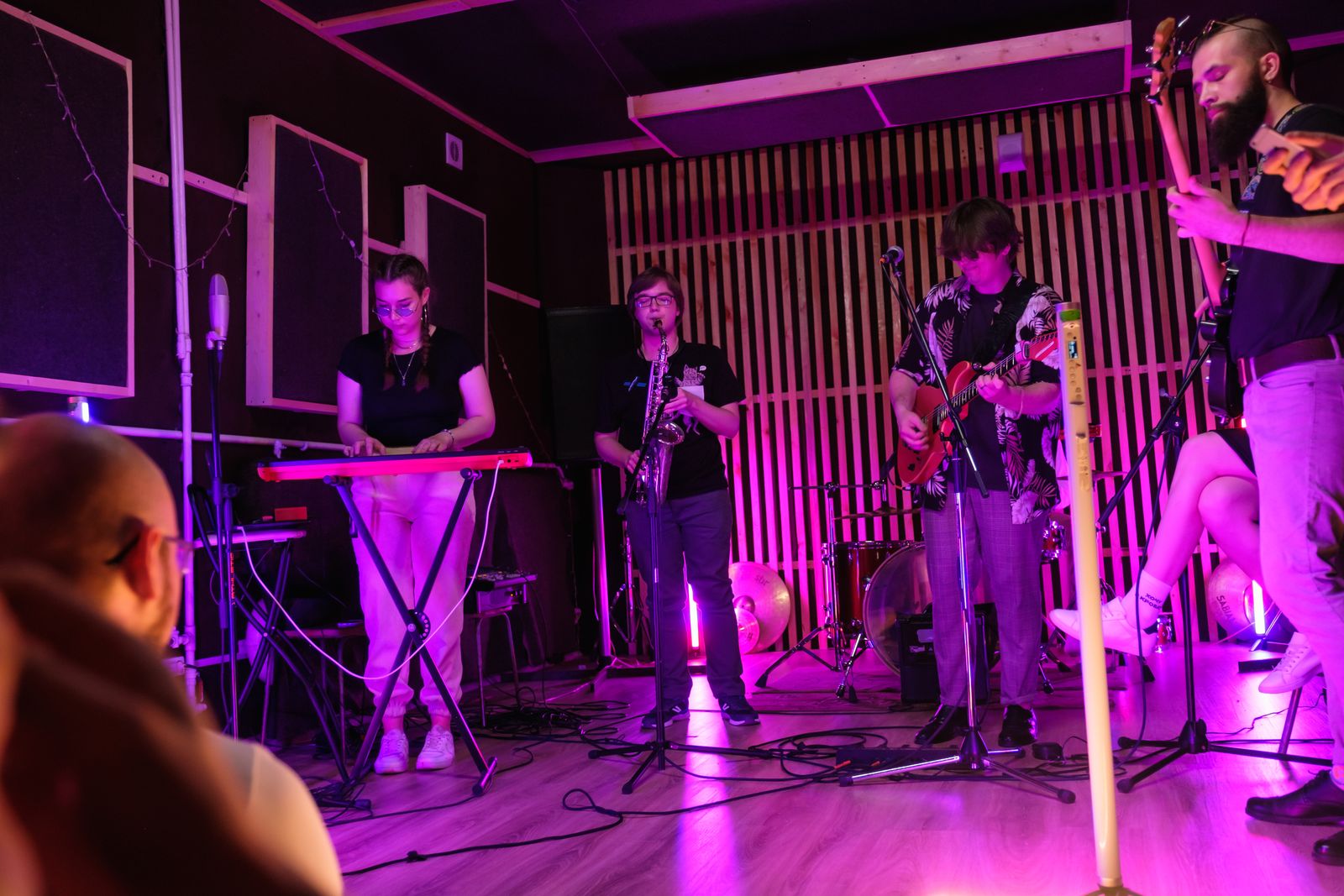
Cover photo: Big Bag Films via Pexels, used under the Pexels License.
To pitch your band to a music venue in India, show that you understand the room and can make the booker’s next decision easier. Send one short, personal email: who you are, what you sound like, why the act fits that specific night, a strong live link, possible dates and one honest piece of proof. Do not lead with a long biography, a huge attachment or a promise you cannot support.
The Ministry of Information and Broadcasting’s 2025 whitepaper describes venue readiness, licensing and regional touring as live-events priorities. For an independent act, that means a booking conversation is not only about taste: a venue or promoter is weighing timing, audience fit, production and the practical work of making a show happen. Ministry of Information and Broadcasting
Key takeaways
- Pitch venues that already programme music like yours or serve the audience you can genuinely reach.
- Find the person responsible for programming; the venue’s general inbox is not always the booking route.
- Lead with one good live video and one concise description of the show.
- Confirm the fee model, set length, timings, production and cancellation terms in writing before you call the date booked.
How to perform at college festivals in India
Who should you pitch: the venue, promoter or talent buyer?
Start by learning who actually programs the night. At a small venue, one person may be the venue manager, promoter, social-media lead and booker. At a festival, club brand or larger event, programming may sit with a talent buyer, booking team or outside promoter. Indie Music India notes that these titles commonly overlap in smaller Indian venues, which is why a respectful first question—“Who handles music programming for this night?”—is often more useful than guessing. Indie Music India, “Talent Buyers 101 Guide (India)”
Look at the venue’s recent line-ups before you write. Note the genres, show format, city, ticketing model and whether the room is built for original music, DJs, cover sets, acoustic shows or ticketed showcases. A brilliant electronic set may be wrong for a singer-songwriter listening room; a full band may be impractical for a venue that only hosts compact acoustic acts.
This research is not flattery. It prevents a booker from having to explain why your act does not fit. If you can point to a real connection—similar audience, a complementary bill, a particular showcase series or a local date you can support—you make the message more useful from the first line.
“We want to play your venue” is an aspiration. “Our three-piece Hindi-indie set fits your Thursday discovery series, and we can bring a clean 35-minute show” is a proposal a person can evaluate.
What should be ready before you send a booking email?
You do not need a glossy campaign to approach a venue. You need a compact, current booking pack that answers the questions a programmer will ask first:
- A one-sentence description of the act and where you are based.
- One or two representative songs—not an unfiltered catalogue.
- One good live video where the audio makes the performance understandable.
- A current group photo or press image you have permission to share.
- Recent show evidence, if you have it: venue names, ticket link, poster, audience video or a credible collaborator credit.
- A contact name, email and phone number for the person advancing the show.
Put these in one page or folder with stable links. Artist Kit’s venue-email guidance recommends a short, specific message with a single EPK link rather than a pile of attachments; its example advice says a booking email can stay under 150 words. Artist Kit
For a new project with little show history, be direct about it. A tight live video from a rehearsal room is more useful than inflated claims about audience draw. You can offer a support slot, a co-bill with a better-matched local act, or a lower-production format that gives the venue a realistic way to try the project.
How do you write the first pitch?
Keep the email specific, skimmable and easy to forward. The subject line should identify the act, the request and the relevant city or date range. In the body, make one clear ask and one clear reason for fit.
Here is a practical structure you can adapt:
Subject: Booking enquiry — [Artist / Band] for [Venue series or month]
Hi [Name],
I’m [name] from [act], a [short, concrete genre description] project based in [city]. We are reaching out because [one real connection to their programming].
Our live set is [format and approximate duration]. Here is a live video: [one link]. Our music, photo and previous-show details are here: [one EPK link].
We are available on [two or three realistic dates / date range]. Would a [support / co-bill / headline] slot be worth discussing?
Thanks, [name, phone, email]
Do not copy this word for word to every room. Replace the bracketed connection with research that is true. A booker can recognise a bulk message immediately; the point of the template is to reduce friction, not hide that you are asking for work.
What proof should you include if you do not have large numbers?
Do not substitute vague follower counts for evidence. A venue needs to know whether the act fits and whether the show is feasible. Indie Music India’s guide says talent buyers weigh programming identity, budget, financial viability and relationships; the point is not that every emerging artist must already sell tickets, but that the pitch should be honest about the question being asked. Indie Music India
Useful proof can be small and concrete:
- A complete, well-recorded live performance clip.
- A show poster that names the venue and date.
- A concise note on the kind of audience that responded to a previous room.
- A co-bill proposal with another act whose audience overlaps.
- A promoter, manager or artist introduction from someone the booker already knows.
Avoid calling a casual social post “sold out” or claiming an audience size you cannot verify. If you are proposing a ticketed show, say what you can responsibly do: invite existing listeners, make short videos, give the venue approved assets on time, and help communicate the event to your community. The promoter still decides whether the economics work.
How to collaborate with musicians in India
How should you follow up without damaging the relationship?
Follow up once, after a reasonable interval, with a short reply on the same email thread. Add something useful only if you have it: a new live video, confirmed travel to the city, a suitable co-bill or a newly available date. Do not send repeated “just checking” messages across email, WhatsApp, Instagram and phone.
If the answer is no, thank the person and leave the door open. A no can mean the date is wrong, the format is wrong, the calendar is full or the venue needs more evidence before it takes a chance. Keep going to shows in the scene, support other artists and improve the live material. In music, a respectful relationship can be more valuable than forcing a reply this week.
An introduction can help, but do not demand one. Ask a mutual artist only if they know your work and would be comfortable making the connection. A reluctant introduction is worse than a direct, well-researched email.
The most effective follow-up is often a better next pitch six weeks later: a sharper live clip, a clearer show format and a reason that the date now makes sense.
What must be agreed before you announce the show?
Do not post the date because someone said “sounds good” in a DM. Get the essential terms in writing: performance date, venue, set length, arrival and soundcheck times, fee or ticket-share structure, payment timing, production responsibilities, hospitality or travel where relevant, billing, marketing responsibilities and cancellation terms.
The Musicians’ Union’s guidance for unsigned and emerging artists recommends agreeing the details and confirming them as part of the engagement, including technical specifications or a stage plot when the venue asks for them. It also warns artists to understand any costs deducted before a ticket-revenue share is calculated. Musicians’ Union
For an Indian show, do not assume every venue handles the same permissions, equipment or ticketing process. Ask what the organiser is responsible for, what the artist must bring and who your day-of-show contact will be. Then put your technical needs in a concise rider. Our technical rider and stage-plot guide can help you make that document workable for the crew.
Build a venue list, not a one-off hunt
Make a small spreadsheet or note with the venue, city, booker, contact route, programmed genres, audience format, last contact date, response and next step. That record stops you from repeatedly pitching the same person with the same material, and it turns a vague goal—“play more shows”—into a manageable pipeline.
Start with rooms where your current act belongs. A dependable first show can lead to better footage, a stronger reference, a co-bill and another conversation. The objective is not to collect random dates. It is to build a live record that lets the next venue imagine your act in its own room.
Kredl can help you keep your music work, collaborators and confirmed credits legible when you are ready to introduce the project to new people. It cannot guarantee bookings; the show still has to fit the room and the booker’s plan.
Frequently Asked Questions
Should I email a venue or message them on Instagram?
Use the contact route the venue publishes. If it has a booking email or submission form, start there. If the contact route is unclear, a short message asking who handles music programming is appropriate. Once you have the right person, keep the pitch in a format they can search and forward.
What should a band send to a venue booker?
Send one concise description, a strong live video, one link to a compact EPK or folder, realistic dates and a contact person. Avoid large attachments and vague claims. The first message should make it possible for a booker to understand the sound, the show format and the next decision quickly. Artist Kit
How much should an emerging band ask for a gig in India?
There is no single correct fee. Ask how the show is structured—guarantee, door split, ticket share, support slot or another arrangement—then confirm the amounts, deductions and payment timing in writing. Do not agree to a percentage without understanding what is deducted first. Musicians’ Union
Should I send a technical rider with the first email?
Usually, send the rider after there is genuine interest or once the date is confirmed, unless the submission route asks for it. A first pitch should stay light; the rider should become part of the advance when the venue needs to plan the show.
Sources, methodology and image credits
This guide combines India-specific live-music context with practical booking guidance. It is general information, not legal, tax or contractual advice. Confirm the actual terms of every engagement in writing.
- Ministry of Information and Broadcasting, “India’s Live Events Economy – A Strategic Growth Imperative”, published 2025, retrieved 2026-10-22.
- Indie Music India, “Talent Buyers 101 Guide (India)”, retrieved 2026-10-22.
- Artist Kit, “How to email a venue or promoter, with templates”, published 2026, retrieved 2026-10-22.
- Musicians’ Union, “Unsigned and Emerging Musicians Engagements”, updated 2026, retrieved 2026-10-22.
- Cover image: Big Bag Films, “Band Playing on Small Stage”, Pexels License, retrieved 2026-10-22.