How Swarathma Built an Indian Folk-Rock Band That Lasts
Swarathma's long-running band story offers a useful model for Indian musicians: make the group, live show and musical point of view stronger than any one release cycle.
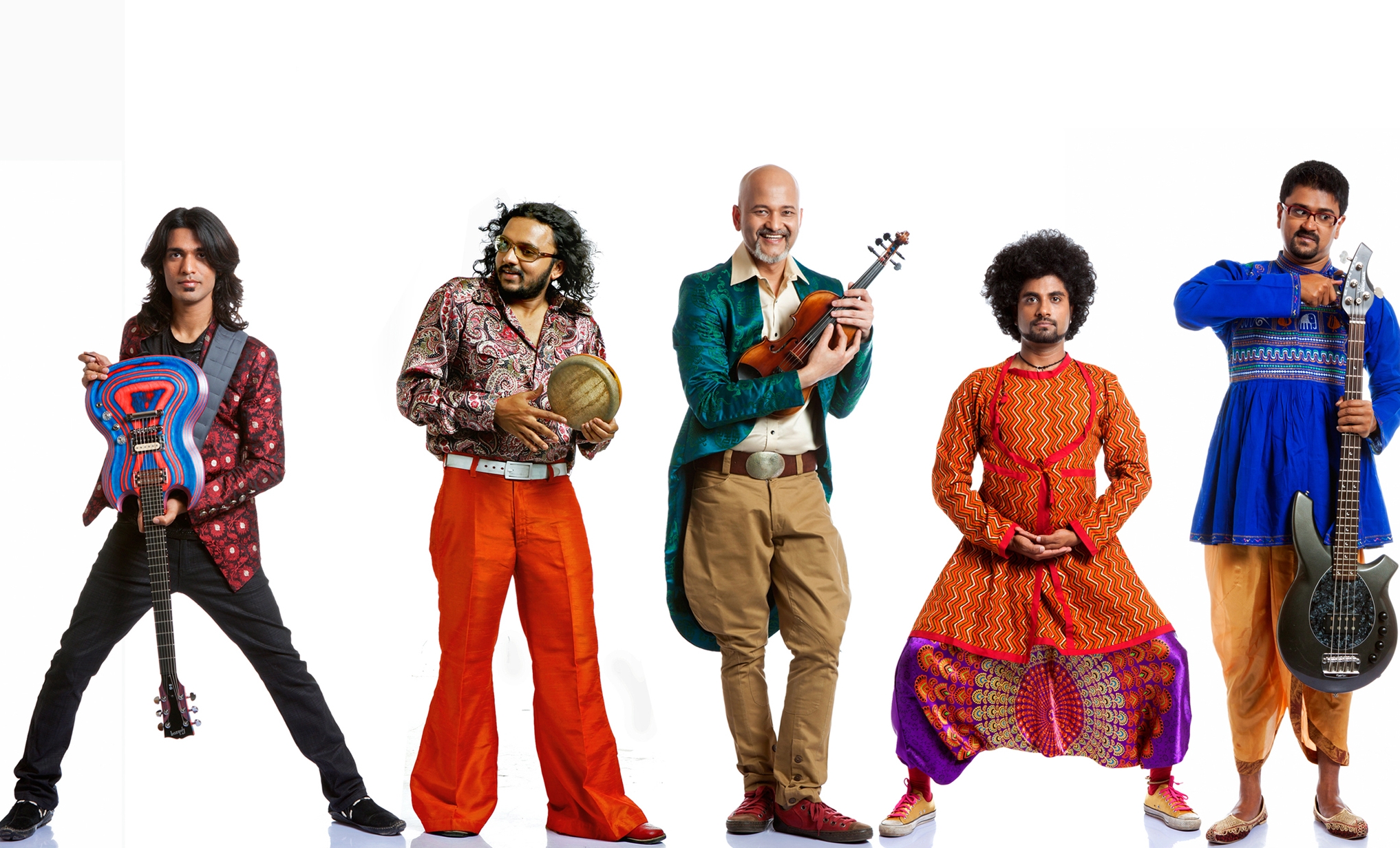
Cover photo: Swarathma’s current lineup, by Jishnuzz, via Wikimedia Commons, used under CC BY-SA 3.0.
Swarathma built a durable Indian folk-rock band by making the collective work visible: five musicians, a distinctive live identity, original songs and enough practical structure to keep a band moving for years. The useful lesson for an independent artist is simple: do not treat bandmates as replaceable support for one person’s brand if the music depends on all of them.
Swarathma’s official booking page lists its origin as Mysuru, years active from 2002, and a sound that combines Indian folk and classical influences with rock, blues and reggae. It also says the band has released three albums, through EMI or independently, and toured the UK, Hong Kong and Singapore. Swarathma, “Bookings / EPK”
Key takeaways
- Swarathma’s career shows why a band needs a shared musical point of view, not just a front person with hired players.
- The group made folk instruments, regional texture and a theatrical live show part of a recognisable offer.
- For an Indian band, a usable EPK, rider, clear credits and repeatable rehearsal process make the creative identity easier to book and sustain.
How Raghu Dixit built a Kannada folk-rock career without hiding his roots
How did Swarathma begin as a band?
Swarathma’s own account says there was no master plan or grand strategy at the start; it was a group of friends playing music they loved. Its official page lists the band as active from 2002 and traces the resulting catalogue through three full-length albums: Swarathma (2009), Topiwalleh (2012) and Raah E Fakira (2018). Swarathma, “The Band”
That origin story matters because many new bands get stuck trying to look established before they have developed a shared language. A group can have polished individual players and still sound like five separate projects. The first real asset is not a logo or release announcement. It is knowing how the group makes decisions: who brings fragments, how arrangements change, who has the final say, and how disagreement stays productive.
For a newer group, set a small rhythm before ambitious release plans: a regular rehearsal, a folder everyone can access, and a short note after every session about the arrangement, tempo, key and next task. This is unglamorous work. It is also how a band starts sounding like itself.
The most useful band agreement is often not a dense legal document on day one. It is a shared operating habit: every member knows where the current files, song versions, gig details and credit decisions live. That prevents a creative group from becoming dependent on one person’s phone.
Why did the band’s musical identity travel?
Swarathma’s official EPK describes the sound as Indian folk and classical music blended with rock, blues and reggae. The band did not need to make those reference points invisible to appear contemporary; its presentation places instruments, clothing, stories and stage energy in the same public frame. The EPK says the band has played international dates while keeping that rooted approach. Swarathma, “Bookings / EPK”
This is a useful distinction for artists chasing a broader audience. A musical identity travels when it is specific enough to remember and accessible enough to enter. It does not travel because every local marker has been removed. A listener may not know the source tradition, but they can still respond to a strong melody, a compelling groove and a performance that makes its intention clear.
The band’s official music page also describes its debut as being recorded with EMI Music India after the group won Radio City Live, a national hunt for Hindi bands. That opportunity mattered, but it was a moment inside a longer identity rather than the entire identity itself. Swarathma, “Music”
For your own band, write one paragraph that names the musical ingredients you genuinely use and the experience you want a room to have. Then test it against the actual set. If the statement is only clever copy, it will fall apart at soundcheck. If it describes the work, it will help bookers and collaborators understand the band faster.
What did Swarathma’s live-first approach teach?
In a 2024 interview with Hindustan Times, Swarathma’s Vasu Dixit said the band was more inclined toward live performance than racing to sell music, and that songs could arrive anywhere rather than through a fixed studio cycle. The same report identifies Swarathma (2009), Topiwalleh (2012) and Raah-e-Fakira as the band’s three best-known albums. Hindustan Times, “Swarathma: We are more inclined towards live performances”
That approach does not mean ignoring recordings. It means treating the stage as a place where songs and relationships get stronger. A band that plays often learns which transitions drag, which lyric lands, whether the monitor mix allows the singer to hear the cue, and which line-up works in a small room. Those lessons are difficult to get from analytics alone.
If your group is preparing for its first run of gigs, build each performance around the room you are actually playing. Confirm set length, arrival time, soundcheck, payment and the available backline. Then send an accurate input list and stage plot. Our technical rider and stage-plot guide for India explains what a venue crew needs before the show day.
A live reputation is built in the moments nobody posts: loading in on time, changing over cleanly, treating the sound crew well and leaving the stage ready for the next act. Those habits make a band easier to rebook even before it has a large audience.
How can a band make its collective work bookable?
Swarathma’s EPK makes a practical point by example. It provides a band biography, identifies a booking and management contact, and offers downloadable high-resolution photos, media clips, a hospitality rider and a technical rider. That is a working sales tool, not merely a fan page. Swarathma, “Bookings / EPK”
Every independent band does not need a polished website immediately. But it does need a simple package that answers a promoter’s first questions. Create a current one-page PDF or page with:
- A two-sentence description that matches the music.
- A clear band photo and two short live clips.
- City, languages, normal set lengths and the right contact person.
- A technical rider, stage plot and fee conversation handled separately from the public page.
- Links to releases and a short list of recent, verifiable performances.
Keep the page honest. Do not list a festival you played only as an audience member or call a session musician a permanent bandmate without agreement. Public materials are useful because they give people a reason to trust the next email.
When you pitch that package, make it relevant to the room. Our guide to pitching a band to music venues in India shows how to lead with a concise, workable offer instead of sending every link you have ever made.
How should a band handle songs, money and credits?
The creative friendship that starts a band will eventually meet more practical questions: who wrote a lyric, who created the riff, who paid for recording, who owns the master, and what happens if the line-up changes. Those questions are not a sign that the group lacks trust. They are how a group protects trust once the work begins to earn attention or income.
Start before the release with a plain written record. Name each song, every contributor, their agreed songwriting or publishing share, the master owner, the band’s billing name and who can approve a release. Update it when the arrangement or line-up changes. A conversation held while people still agree is far easier than reconstructing memory after a song moves.
Our song split-sheet guide for India gives a practical starting point for documenting the creative contributions behind a track. It is not a substitute for legal advice on a complicated dispute, but it is a far better beginning than a vague group-chat promise.
Build the system that lets the band stay a band
Swarathma’s story is not an argument that every group must run for more than two decades or make folk-rock. It is evidence that a band can have a clear identity, a strong stage life and working professional materials without becoming a generic content machine.
For Indian musicians, the immediate version is smaller: rehearse with intent, keep the live show organised, make credits explicit and explain the band clearly to the next promoter. Kredl can help creative teams present the real collaborators and confirmed credits behind their projects. It cannot create a shared sound or do the rehearsal; it can make the work and the people behind it easier to understand.
Frequently Asked Questions
What kind of music does Swarathma make?
Swarathma describes itself as a Bengaluru-based contemporary folk-fusion band, with Indian folk and classical influences blended with rock, blues and reggae. Its official EPK lists Mysuru as the group’s origin and says the band has been active since 2002. Swarathma, “Bookings / EPK”
How many albums has Swarathma released?
Swarathma’s official pages identify three full-length albums: Swarathma (2009), Topiwalleh (2012) and Raah E Fakira (2018). The band’s EPK says those albums were released through EMI or independently, alongside tours outside India. Swarathma, “The Band”
What should an Indian band include in an EPK?
A band EPK should make booking easier: a brief accurate bio, contact details, clear photos, live video, music links and basic performance information. Swarathma’s EPK also makes hospitality and technical riders available, which shows why bands should keep production information organised once a show is being confirmed. Swarathma, “Bookings / EPK”
Should every band have a written split sheet?
Yes, for any original song with more than one contributor. A split sheet records songwriting or publishing shares while everyone agrees. It does not have to be complicated, but it should name contributors and shares before distribution, registration or a revenue conversation begins. See our song split-sheet guide for a practical starting format.
Sources, methodology and image credits
This editorial profile is based on first-party band material and established Indian music journalism. It does not claim to be an authorised biography.
- Swarathma, “The Band”, official band history and album list, retrieved 2026-10-26.
- Swarathma, “Bookings / EPK”, official biography, active years, live and booking materials, retrieved 2026-10-26.
- Swarathma, “Music”, official release and recording background, retrieved 2026-10-26.
- Hindustan Times, “Swarathma: We are more inclined towards live performances, not in any race to sell our music like other musicians”, published 2024, retrieved 2026-10-26.
- Cover image: “Swarathma Current Lineup”, by Jishnuzz, CC BY-SA 3.0, retrieved 2026-10-26.