How Nucleya Built an Independent Music Career in India
Nucleya’s career offers Indian producers a practical lesson in rebuilding after a setback, finding a recognisable sound and keeping creative control.

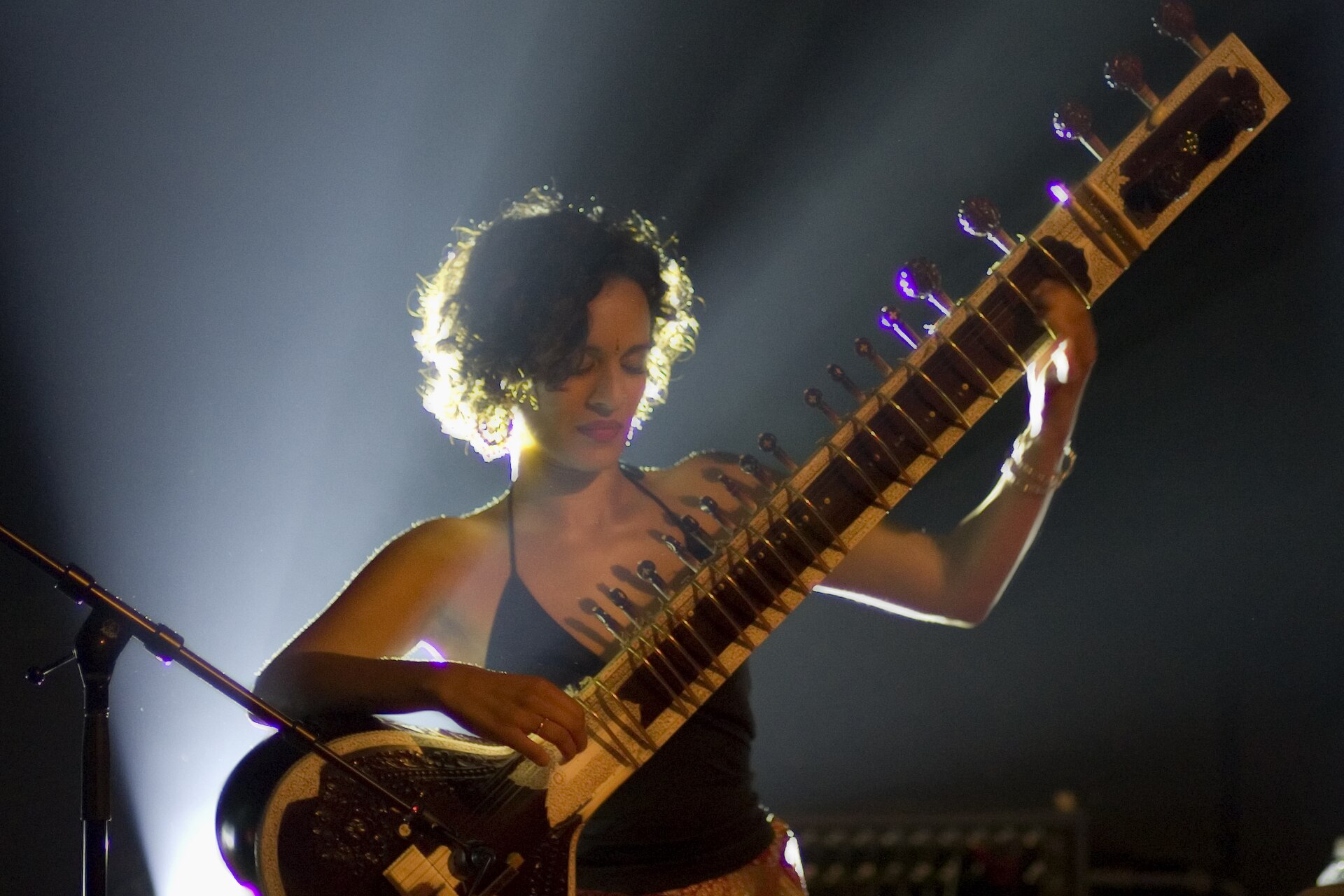
Cover photo: Crazy Bollywood via Wikimedia Commons, used under CC BY 3.0.
Nucleya’s story is useful because it does not begin with a smooth breakthrough. Udyan Sagar rebuilt after leaving Bandish Projekt, spent years testing sounds, then found a language in bass music and Indian street recordings. In a 2026 interview, he said he still releases independently and has not put his music out through major labels. For Indian producers, the lesson is not to copy the drop. It is to develop a sound and a working model that you can actually sustain. Mint, “Nucleya refuses to fear AI”
Key takeaways
- Nucleya has described the period after leaving a group as a difficult restart, not an instant solo win.
- He connected his project to Indian street sounds before writing Koocha Monster. EDM.com
- Independence can mean creative control, but it also means building dependable relationships, release systems and live work.
- The useful question is not “How do I sound like Nucleya?” It is “What source material makes my work recognisable?”
How Lifafa built a cult audience around Indian electronic music
What did Nucleya have to rebuild first?
Nucleya told EDM.com that his move out of Bandish Projekt around 2008 was difficult: he had no gigs, no regular money coming in and briefly considered leaving music. The relevant part of that account is not the hardship as mythology. It is the reset that followed—calling people in the business, taking work where he could and eventually finding management support. EDM.com, “In Conversation with India’s Bass Raja”
That is a more useful career picture than the before-and-after photo. A producer who loses a band, client or venue circuit still has skills: arrangement, sound design, editing, contacts and taste. The next task is to make those skills visible again through finished work, a clear profile and reliable follow-through.
Rebuilding does not always mean starting from zero. It often means separating the skills that survive a setback from the identity that did not. A project name can end. Your ear, session habits and collaborator trust can still move into the next one.
How did he find a sound people could identify?
In the same interview, Nucleya said he spent years trying different genres after starting his solo project. He described sampling Indian street sounds as the point that opened a new direction, leading him to write Koocha Monster. That is a strong creative lesson: identity can begin with close listening to the sounds around you, not with importing a fashionable template. EDM.com, “In Conversation with India’s Bass Raja”
The transferable move is specific. Record or research a texture that belongs to your listening life: a local drum pattern, a voice note, a chant, an instrument, a train rhythm or a spoken phrase. Then ask what role it has in the arrangement. Is it rhythm, atmosphere, melody or a cue for the live show? Do not use local detail as decoration after the track is finished.
That approach can serve a rapper, singer, DJ or beatmaker. It also gives collaborators a real question to answer in the room. Our producer playbook on Karan Kanchan is a useful companion for producers turning those choices into repeatable work.

Live-event photo: Pexels, used under the Pexels License.
Why did independence remain part of the model?
In March 2026, Nucleya told Mint that he remained independent and had not released his music on major labels. In a 2017 interview with The Indian Express, he said he had not felt a financial, commercial or industry need to enter Bollywood, even while taking selected film work. Those are his decisions, not a universal rule. They do show that “independent” is a choice about control and fit, not merely a temporary label before a deal arrives. Mint The Indian Express
For a newer artist, independence needs a practical base. Keep master files organised. Write down splits. Know who is handling artwork, distribution, show enquiries and invoices. A strong independent release is not one person doing every task forever. It is a small, clear team where the artist knows what is being decided and why.
Use a song split sheet before a collaboration becomes a dispute
What can Indian producers take from the Nucleya story?
Nucleya’s interviews point to three grounded moves: rebuild relationships after a break, spend enough time testing ideas to find a recognisable source of sound, and keep control aligned with the way you want to work. The first move is social, the second is musical and the third is operational. Together, they are more useful than a generic instruction to “go viral.” EDM.com Mint
Start with one finished experiment. Build it around a sound that means something to you. Credit every person who changes the track. Make a short note about the idea, the people involved and the live version you could play. Then share it with people who can give useful musical feedback, not only engagement.
An independent project becomes stronger when the creative and business records grow together. A saved mix, a clear credit line, a split sheet and a good live contact may look separate. In practice, they make it easier to release the next track without losing the thread.
For a wider system around releases, collaborators and shows, read our guide to starting a music career in India and the performer-facing college-festival guide.
Frequently Asked Questions
Who is Nucleya?
Nucleya is the project of Indian electronic-music producer Udyan Sagar. In a 2026 Mint interview, he said he still works independently and has not released his music through major labels. His story is particularly useful for producers thinking about sound identity and control. Mint
What is the key lesson from Nucleya’s early solo period?
Nucleya told EDM.com that his post-Bandish Projekt restart involved no gigs, no regular income and years of experimentation before he found a direction in Indian street sounds. The useful lesson is to keep testing, finishing and rebuilding relationships when a prior setup ends. EDM.com
Does being independent mean avoiding all film or label work?
No. In 2017, Nucleya told The Indian Express that he did not feel pressured to enter Bollywood, while describing selected film work he chose to make. Independence is better understood as deciding which opportunities fit your music and working method. The Indian Express
How can a producer build a recognisable sound?
Start with sound material you can explain: a rhythm, recording, instrument or place that has a real connection to your listening life. Nucleya told EDM.com that sampling Indian street sounds helped shape his direction. Test the idea in a finished track, then document collaborators and credits. EDM.com
Sources, methodology and image credits
This artist story relies on direct interviews and established Indian publications for career facts. The practical lessons are Kredl’s editorial interpretation, not promises of income, streaming performance or career outcomes.
- Mint, “Nucleya refuses to fear AI: ‘It cannot capture the soul of my music’”, published 2026, retrieved 2026-10-18.
- EDM.com, “In Conversation with India’s Bass Raja – NUCLEYA”, retrieved 2026-10-18.
- The Indian Express, “Nucleya: I have never felt the need to do Bollywood”, published 2017, retrieved 2026-10-18.
- Cover image: Crazy Bollywood, “Nucleya Zoom Holi Party 2020”, CC BY 3.0.
- Inline image: Pexels live-event photo, Pexels License.