Freelance Contracts for Creative Work in India: A Scope Checklist
A practical contract checklist for creative freelancers in India: define the brief, deliverables, approvals, payment, rights and project closeout before work begins.

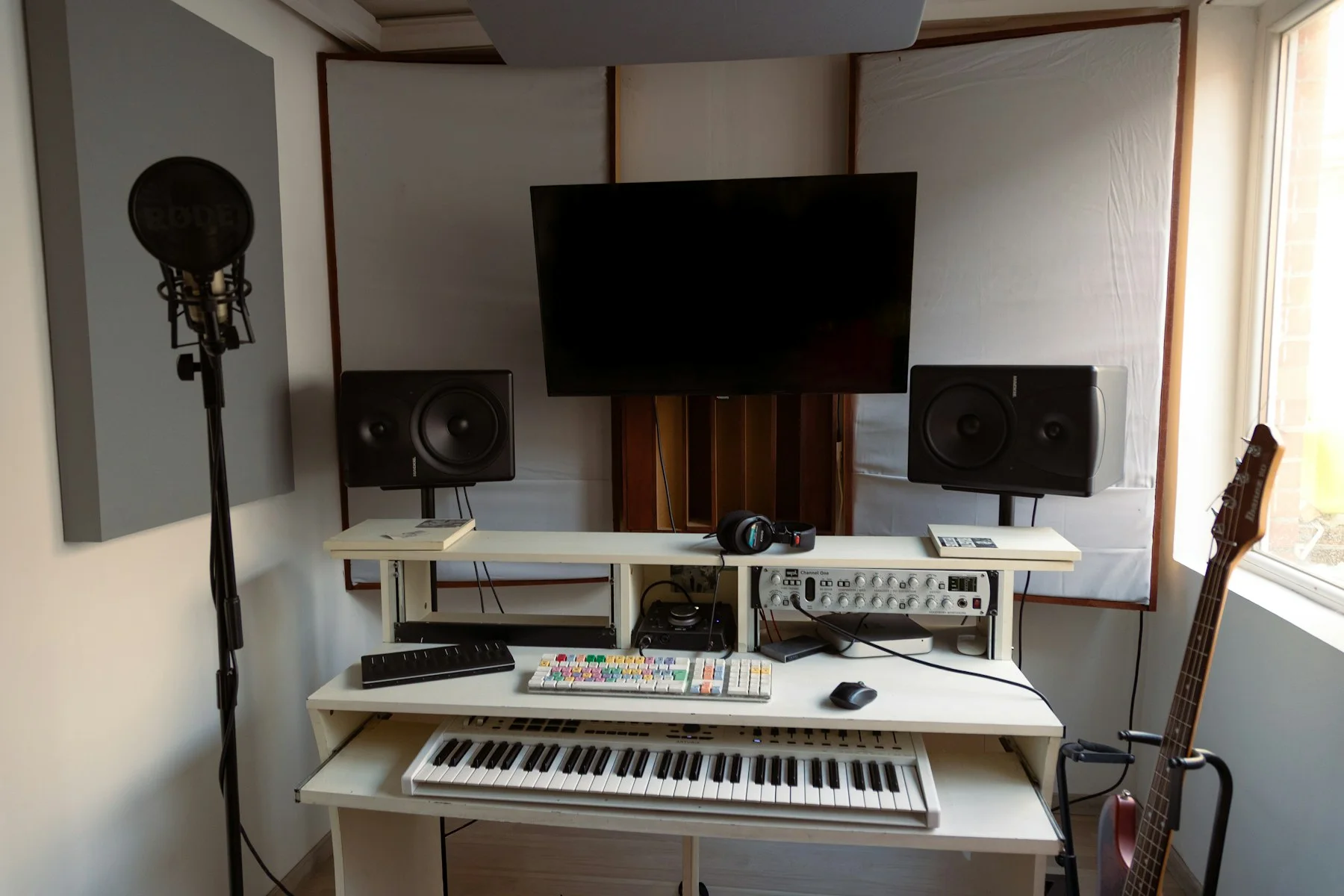
Cover photo: Kaboompics via Pexels, used under the Pexels License.
A useful freelance contract for creative work in India does not need theatrical legal language. It needs a shared, written record of the project: who is hiring whom, what will be made, how feedback works, what is being paid, what happens to the rights and files, and what counts as finished. Agree those points before production starts—not in the middle of a revision or after the client asks for the source files.
This is a practical scope checklist, not legal advice or a ready-made agreement. A lawyer should review contracts involving a large fee, long-term exclusivity, a buyout, a film or music release, sensitive data, international parties or an unclear ownership chain.
Key takeaways
- Put the creative brief, deliverables, approval owner, payment milestones and delivery date in one written record before work begins.
- Treat revisions, rush changes, extra formats, source files and usage rights as explicit scope decisions—not assumptions.
- Use precise language for copyright, credit and portfolio permission; creative work can have different ownership outcomes depending on the facts and agreement.
- Keep the approved scope, feedback, invoices and final delivery together so the project can close cleanly.
Set your creative price before you turn it into a contract
What should a freelance contract for creative work include?
Start with a project note that a client can read without a call. It can later become a formal agreement, statement of work or purchase-order attachment. The goal is not to predict every problem. It is to make the important choices visible while both sides can still change them.
Under section 10 of the Indian Contract Act, 1872, agreements that meet the stated requirements—including free consent, competent parties, lawful consideration and lawful object—are contracts. That legal baseline is a reason to write with care, not a reason to copy a generic internet template into every project. India Code: Indian Contract Act, 1872
| Contract area | Put this in writing | Creative example |
|---|---|---|
| Parties and project | Legal or business names, contacts, project name and a plain-language objective | "Edit a launch film for the client’s new collection" |
| Brief and deliverables | What will be created, supplied formats, versions and any limits | A final film, social cutdowns, thumbnails and captions—not simply "video edit" |
| Inputs and access | What the client must supply, who can approve and any dependencies | Footage, logos, brand guidelines, licensed music and one feedback owner |
| Timeline | Start trigger, review points, delivery date and what pauses the schedule | The timeline moves if footage or consolidated feedback arrives late |
| Fee and payment | Total fee, tax treatment where relevant, payment timing and any advance or milestone | An agreed project fee with the invoice contact and due date |
| Revisions and additions | What ordinary feedback covers, and how a changed brief is approved | A new platform version, re-shoot or new script is additional scope |
| Rights, credit and portfolio | What the client may use, which files transfer, credit wording and whether work can be displayed | Final exports may transfer while editable files and portfolio use need their own terms |
| Closeout | Final handover, acceptance point, records and how changes are requested after close | Deliver final assets through an agreed folder and retain the approval trail |
The table is a working prompt, not a substitute for a negotiated legal document. If you are being asked to sign a client’s paper, use the same questions to read it: is the actual work, money and ownership in the document, or only in a chat thread no one will revisit?
Define the scope before you make the work
The phrase "a few social posts" can hide concept development, research, a shoot, retouching, design, edits, resized versions, captions and client meetings. Write the outcome in enough detail that both sides can tell whether a new request belongs to the original job.
For a photographer, that may mean the shoot date, hours, location, final edited image count, delivery gallery and usage discussion. For a video editor, it may mean supplied footage, edit length, aspect ratios, captions, graphics, music responsibility and delivery formats. For a writer, it may mean topic, research inputs, interviews, word range, review process and publishing responsibility. The same structure works for a producer, designer, performer, illustrator or event professional. Writers can also use our freelance writing rate guide for India to separate a scoped assignment from an open-ended retainer.
Separate a revision from a new assignment
Define what feedback looks like before the first draft. Name the person who consolidates it. Say whether feedback must arrive in one document, whether a change of direction needs written approval, and what happens if the brief changes after a concept, cut or draft is approved.
That is not an attempt to make collaboration rigid. It lets a client change direction knowingly and lets you give a realistic new timeline or fee rather than absorbing an invisible second project. The same rule applies to rush work, new deliverable formats, extra shoot days, translation, licensed assets and source-file requests.
For a more detailed role-specific example, see our guide to freelance video editor rates in India, which breaks down deliverables, revisions and project files.

Photo: Andrea Piacquadio via Pexels, used under the Pexels License.
Agree how the work will be approved and paid
Write down who can approve the brief and final work. A project can stall when feedback arrives from several stakeholders and none of them has authority to make the final call. The client can still consult a team; the freelancer needs one clear route for the consolidated decision.
Next, connect the fee to a useful milestone. The agreement should say what triggers work, when invoices are issued, who receives them and what happens if the project is paused or cancelled. Do not make tax claims from a generic template. If TDS or GST is relevant, ask an India-qualified accountant how the actual engagement should be handled.
If you are registered for GST, invoice details are regulated: the Central Board of Indirect Taxes and Customs lists the particulars required under rule 46 of the CGST Rules, rather than prescribing one universal invoice design. Keep the creative contract and tax invoice as separate, connected records. CBIC: GST Invoice Rules
Our TDS checklist for creative freelancers explains the payment-record side of a client deduction. Use it after the commercial terms are settled; it cannot decide the legal scope or rights for this particular project.
A project can pause without becoming a dispute
Say what happens if the client has not supplied material, access or feedback by the agreed point. State whether dates move, whether reserved production time expires, and how restart work is agreed. A pause clause is a planning tool: it protects the client from surprise and protects a freelancer from holding an open-ended slot without information.
For an event or performance job, add practical dependencies such as venue access, soundcheck, travel, technical requirements, cancellation contact and payment-on-site process. For a campaign, add client asset approvals, music or stock licensing responsibility and the publication date. Put the dependencies beside the timeline where they can be checked, not in a vague final paragraph.
Be precise about rights, files and credits
Do not treat "the client paid" as a complete answer to who may use the work, where, for how long, in which format or whether anyone may alter it. India’s Copyright Act has rules that can differ by category and context. Section 17 states that the author is generally the first owner, subject to stated exceptions; for example, it includes specific provisions for commissioned photographs, paintings, portraits, engravings and cinematograph films made for valuable consideration. Copyright Office: Copyright Act, 1957, section 17
That is why a creative freelancer should not guess at ownership from a WhatsApp message or an invoice description. State the intended rights in a way that matches the job, then take qualified advice where the terms are material or uncertain. A brand’s organic social use, a paid campaign, a film release, an exclusive licence and an outright assignment can require very different wording.
Assignment is not the same as a vague promise to "own everything"
Section 19 of the Copyright Act says an assignment must be in writing and signed, and must identify the work and specify the assigned rights, duration and territorial extent. The section also addresses royalty or other consideration. If a client is asking for an assignment, do not bury that request under "final delivery"; understand it before agreeing. Copyright Office: Copyright Act, 1957, section 19
The operational questions are straightforward even when the legal answer needs advice:
- Which final exports will the client receive?
- Are editable project files, raw footage, layered designs, stems, fonts, templates or licensed assets included?
- Which channels, territories, duration and paid-media uses are contemplated?
- Must the client credit the freelancer, and may the freelancer show the finished work in a portfolio after launch?
- Is anyone else’s contribution or pre-existing material involved?
For a multi-writer music project, keep songwriting and release credits just as explicit. A song split sheet records a different set of decisions from a client commission, but it reinforces the same habit: document roles while everyone still agrees. If you later want to show completed work, use the portfolio-permission line in the agreement alongside this creative portfolio guide.
Keep the record, even when the job is agreed electronically
Many creative jobs begin through email, messaging or a shared proposal. Section 10A of the Information Technology Act, 2000 states that a contract formed through electronic means cannot be deemed unenforceable solely because electronic means were used. That does not make every informal message a complete scope document, but it is a strong reason to save the accepted version, approval messages and final files together. India Code: Information Technology Act, 2000, section 10A
Send a final project summary after a call. Ask the client to confirm it in the agreed channel. When a decision changes, update the summary instead of relying on memory. At closeout, preserve the final deliverables, invoice, payment record, rights note and approvals in the same project folder.
Good creative work deserves an equally clear professional record. Use Kredl to make the projects, collaborators and credits behind your work easier to recognise. kredl →
A copy-ready creative project checklist
Use this as a starting brief for a real conversation. It is not a legal contract and it does not replace advice tailored to your work.
Project and parties: [project name, freelancer, client and contacts]
Objective: [the outcome the project is meant to achieve]
Deliverables: [final files, formats, versions and exclusions]
Client inputs and approval owner: [assets, access, feedback process and named approver]
Timeline: [start trigger, review dates, delivery date and pause conditions]
Fee and payment: [fee, invoice contact, payment timing, tax discussion and cancellation terms]
Changes: [how a new deliverable, changed brief or rush request is approved]
Rights and credit: [intended use, client rights, portfolio permission, project files and attribution]
Closeout: [delivery location, final approval and records each party retains]
Frequently Asked Questions
Do freelancers in India need a written contract for every creative project?
A written scope record is a sensible default because it makes the brief, fee, approvals and rights easier to verify later. The level of formality can match the project’s risk, but high-value work, ongoing retainers, ownership transfers, exclusivity and work with multiple contributors deserve a lawyer-reviewed agreement.
Is an email or message enough to agree a creative project?
Electronic means do not by themselves make a contract unenforceable under section 10A of the Information Technology Act. But a scattered message thread may not state the deliverables, approval owner, payment or rights clearly enough to manage the work. Send one accepted project summary and retain it with the project records. India Code: Information Technology Act, 2000
Should a creative freelancer give the client source files?
Only if the agreement says so. Define exactly what is included at handover: final exports, editable files, raw material, licensed assets and any project documentation. Some items may need separate preparation or may be restricted by third-party licences. Do not promise them accidentally through an ambiguous word such as "files."
Who owns commissioned creative work in India?
It depends on the work type, the circumstances and the agreement. Section 17 of the Copyright Act has a general author-first rule and specific exceptions, including some commissioned visual works. Section 19 sets requirements for copyright assignments. Get India-qualified advice before agreeing to an ownership transfer, especially for a campaign, film, music or a long-term commercial use. Copyright Office: Copyright Act, 1957
What should happen when a client asks for more work after approval?
Describe the new request in writing, explain its effect on cost and schedule, and get approval before beginning it. This keeps ordinary refinement separate from a new deliverable or changed direction. If the budget cannot change, the parties can reduce another part of the scope instead of silently expanding the job.
Make the agreement serve the work
The contract is not separate from the creative relationship. It is the shared operating note that lets the relationship survive the predictable moments of ambiguity: an extra format, late feedback, a new stakeholder, a payment question or a request for rights that were never discussed. Be specific before the work begins, keep the record current, and ask for qualified advice when the stakes exceed a simple project brief.
Sources and image credits
- India Code: Indian Contract Act, 1872, retrieved 2026-10-14
- India Code: Information Technology Act, 2000, retrieved 2026-10-14
- Copyright Office, Government of India: Copyright Act, 1957, Chapter IV, retrieved 2026-10-14
- Central Board of Indirect Taxes and Customs: GST Invoice Rules, retrieved 2026-10-14
- Cover photo: Kaboompics, retrieved 2026-10-14, used under the Pexels License
- Inline photo: Andrea Piacquadio, retrieved 2026-10-14, used under the Pexels License