
Photo: Elijah Merrell / Unsplash
"I don't know anyone in the industry" is the single most common reason artists in India talk themselves out of trying. It's also, increasingly, the wrong reason to stop. The Indian music industry that required a family name, a Mumbai address, or an introduction from someone already inside has been quietly replaced by one that runs on streaming data, social proof, and a body of work anyone can check without ever meeting you. That doesn't mean it's easy — it means the barrier moved from who you know to what you've actually built. This is a practical guide to that path, with real artists who walked it from zero.
Key takeaways
- India's independent music industry no longer routes through label gatekeepers first — digital distribution and streaming platforms let any artist reach a national audience directly, and industry commentary consistently describes this shift as decentralizing the business away from Mumbai
- Labels and A&R teams increasingly scout by data, not introductions: streaming velocity, save-to-stream ratio, and consistent posting now do work that used to require a personal contact
- Sejal Kumar, Gini, and Wazir Patar all built real music careers in India with no industry relationships at the start — a fashion YouTuber, a teenager self-producing on an iPad, and a self-taught video editor with no music school background
- Cold outreach to producers and directors in India gets ignored over 96% of the time when it's generic — the fix isn't more confidence, it's a specific, checkable message
- The realistic sequence is: build proof locally and online first, then reach out — not the reverse. Outreach without proof is what "no connections" actually feels like from the other side
Build the profile that does the introducing for you. kredl →
Why "No Connections" Isn't the Handicap It Used to Be
For most of Indian music history, breaking in without a personal introduction meant breaking in at all — the studio system, film music's gatekeeping, and a genuinely small pool of decision-makers made relationships close to mandatory. That structure has changed. Independent, non-film music is now one of the fastest-growing segments of India's music industry, and reporting on the space describes indie artists succeeding in 2026 "without ever moving to Mumbai," crediting online presence, streaming, and remote collaboration with meaningfully decentralizing the industry.
That shift shows up directly in how labels scout. Modern A&R work increasingly starts with data, not demo submissions — streaming velocity, engagement ratios, and posting consistency are now genuine signals that get an unconnected artist noticed, sometimes before they've had a single industry conversation. The practical implication: if you have no connections, your first job isn't to manufacture some — it's to build numbers and a body of work that make you legible to someone who's never met you.
A kredl profile is the first thing someone checks before they ever reply to you. kredl →
Step 1: Make the Algorithm Your First Connection
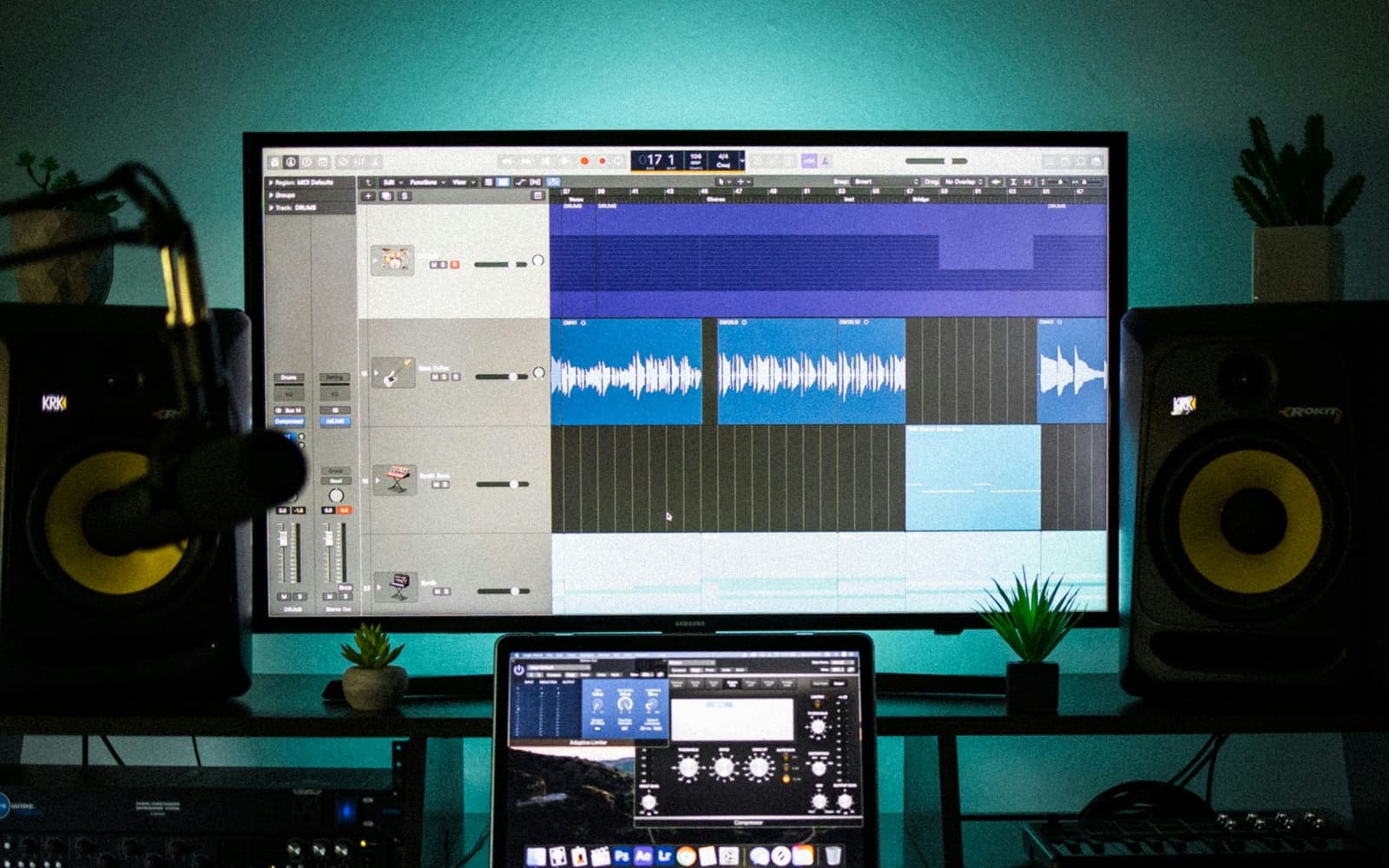
Before you know anyone, your music has to be good enough — and available in the right places — for a platform's recommendation system to do some of the introducing for you. That's not a shortcut; it's usually slower and less romantic than a lucky break, but it's available to literally everyone, which a personal connection never is.
This means treating your release the way you'd treat a first meeting with a stranger: distribute it properly (a distributor, correct metadata, an ISRC code), release consistently rather than once and waiting, and put real effort into the first 48 hours of a release — saves, shares, and replays are exactly what streaming algorithms and playlist editors weight. How to Release a Song in India in 2026 covers this sequence in full, from distributor choice to Spotify editorial pitching.
Step 2: Build Proof Where People Can Actually See You Perform
Streaming numbers get you discovered by algorithms; nobody in the industry signs an artist off a Spotify chart alone. At some point, someone with real influence needs to see you hold a room — and the lowest-barrier way to build that evidence with zero connections is the local open mic and small-venue circuit, which exists specifically because it doesn't require anyone to already know you.
Open Mics in India: Which Ones Are Worth It covers which rooms are worth your time by city, and how to turn a single set into an ongoing relationship with a venue instead of a one-off.
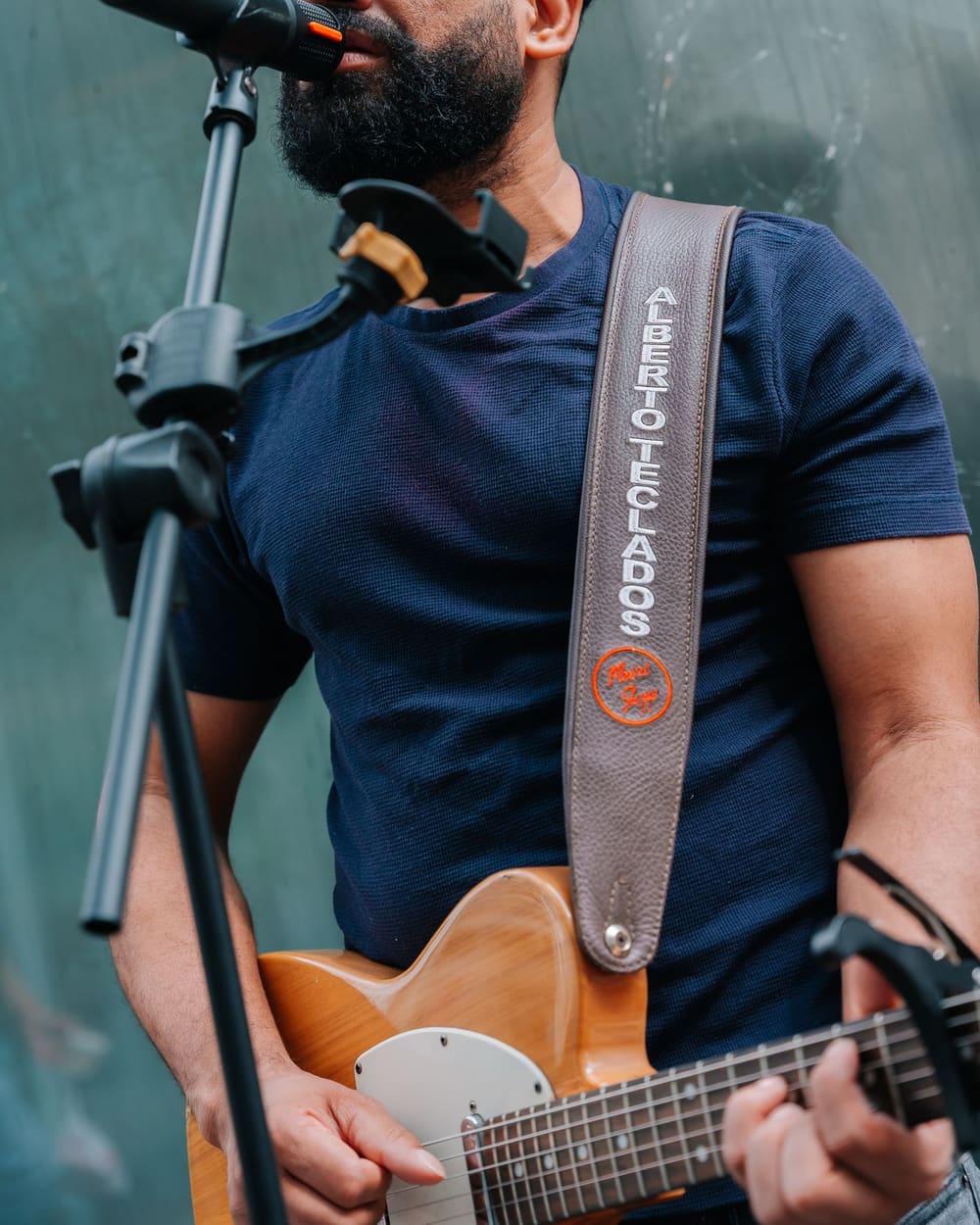
Photo: Raphael Bruno / Pexels
This is also where "no connections" quietly stops being true. Every promoter, sound engineer, and fellow artist you meet at a recurring open mic is a real industry relationship — it just didn't arrive through an introduction. Most working artists in India's independent scene built their entire network this way, one small room at a time, long before anyone with a label title knew their name.
Case Studies: Three Artists Who Started With Zero Industry Network
It's easier to trust a path when you can see someone who actually walked it without a shortcut.
Sejal Kumar built her audience entirely outside music first — a fashion and budget-shopping YouTube channel she filmed, edited, and uploaded herself while studying economics at Delhi University, reaching a million subscribers on roughly 600 videos and four years of consistent uploads. Music entered almost by accident, through a 2020 YouTube education campaign — but the audience that made her music career possible was one she'd built alone, with no industry help, years earlier.
Gini self-produced her first song, "Falling Asleep," on an iPad using GarageBand at 15, with no label, no producer, and no formal connections — she wrote it for a personal reason, not a career plan. Two years later she turned down university offers, moved to Mumbai with ₹10,000, and only then began working with an independent label. The relationship came after the work existed, not before.
Gini, on how she learned guitar and production: she taught herself fingerstyle guitar off YouTube and basic production by ninth grade — no formal training, no connections, no one guiding the process. "It felt natural," she's said. "Like I had played it in a past life."
Wazir Patar didn't start as a musician at all — he began directing music videos in Punjab around 2013 with his brother, then spent roughly a year self-teaching sound engineering, keyboard, and harmonium with no formal music school and no apprenticeship under an established producer. Years of unglamorous production work followed before any high-profile relationship — including his eventual work with Sidhu Moose Wala — existed. The skill came first. The connection was a consequence, not a cause.
Discover independent artists who built their careers from zero on kredl. kredl →
Step 3: Reach Out — But Only Once You Have Something to Point To
Cold outreach has a bad reputation among artists with no connections, mostly because most of it is done badly. Cold DMs to music producers and directors in India get ignored more than 96% of the time — not because the industry is closed to outsiders, but because the average message gives the recipient nothing specific to respond to.
How to Cold DM Music Producers and Directors in India has scripts that actually get replies. But the sequencing matters more than the wording: outreach works dramatically better once you have a released song, a local performance history, or a specific number to reference. "I'm an artist, please listen to my music" is what a message sounds like when there's nothing behind it. "I played three sold-out open mics this month and my last single hit 40,000 streams in six weeks — here's the link" is what the same message sounds like once Steps 1 and 2 are actually done.
What to Skip: The "Connections" That Aren't Worth Chasing
Not every shortcut labeled as a connection is actually one. Be wary of anyone who asks you to pay upfront for a guaranteed meeting, a "guaranteed playlist placement," or introduction to a specific A&R contact — legitimate industry relationships aren't sold as a package. If you also work in adjacent creative fields, the same pattern of paid-access scams shows up in acting and modeling circles, and the warning signs are nearly identical.
The honest version: there is no single gatekeeper whose approval you need, which also means there's no single shortcut that reliably replaces the work above. Time spent looking for that shortcut is time not spent building the thing that actually gets you noticed.
A Realistic Timeline When You're Starting With Nothing But the Music
There's no fixed number, but the pattern among artists who broke in with no starting connections is consistent: months of releasing and performing locally before any outside relationship — a producer, a curator, a label A&R — starts to compound on its own. Sejal Kumar spent four years building an audience before music entered the picture at all. Gini spent two years writing and self-producing before her first label relationship began. Wazir Patar spent close to a decade in production before stepping out as an artist under his own name.
None of that is a reason to slow down — it's a reason to stop waiting for permission to start. The work is the connection-builder. It just doesn't feel that way in month one.
The Complete Guide to Building an Independent Music Career in India
How to Get a Record Deal in India in 2026
Put your work somewhere the right person can actually find it. kredl →
Frequently Asked Questions
Can you really build a music career in India without any industry connections?
Yes — the current path runs through streaming performance, local live proof, and direct outreach rather than requiring a personal introduction first. Artists including Sejal Kumar, Gini, and Wazir Patar all built real careers with no starting industry relationships; the connections came after they had work worth noticing, not before.
What's the fastest way to get noticed without knowing anyone in the industry?
There isn't a fast way, but there's a reliable one: release consistently through a proper distributor, perform locally to build a live track record, and only then reach out directly to producers, curators, or labels — referencing specific, checkable numbers rather than asking to be discovered. Labels and A&R teams increasingly scout by streaming data and engagement signals rather than personal referrals.
Do I need to move to Mumbai if I don't have any music industry contacts?
No. Independent artists are increasingly building national careers without relocating, using digital distribution and remote collaboration in place of the in-person networking that used to require living in Mumbai. Where you live matters most for live performance and in-person relationships — not for recording, releasing, or getting streamed.
Should I pay someone who says they can connect me to a label or A&R contact?
Be cautious. Legitimate industry relationships aren't typically sold as guaranteed introductions or paid meetings — that pattern of paid-access offers is a known scam structure in adjacent creative fields too, including acting and modeling. Spend that money and time on releasing music and performing locally instead.
How long does it usually take to build real industry relationships from zero?
There's no fixed timeline, but artists who started with no connections typically spent one to several years building an audience or a body of work before industry relationships began compounding on their own — Sejal Kumar spent four years building her audience before music entered the picture; Gini spent roughly two years self-producing before her first label relationship began.
Nobody with real influence in Indian music is looking for a personal introduction before they'll pay attention to good work — they're looking for evidence they don't have to take on faith. Streaming numbers, a local performance history, and a specific, well-timed message are all evidence you can build without knowing a single person going in. That's the actual path. It's slower than a shortcut would be. It's also available to you starting today.
Start building the evidence that gets you noticed — no introduction required. Join kredl free →