How to Become a Live Music Videographer in India: Build Your First Concert Portfolio
A practical guide for aspiring live music videographers in India: earn a first legitimate credit, plan a shoot with the crew, protect footage and turn approved work into a useful portfolio.
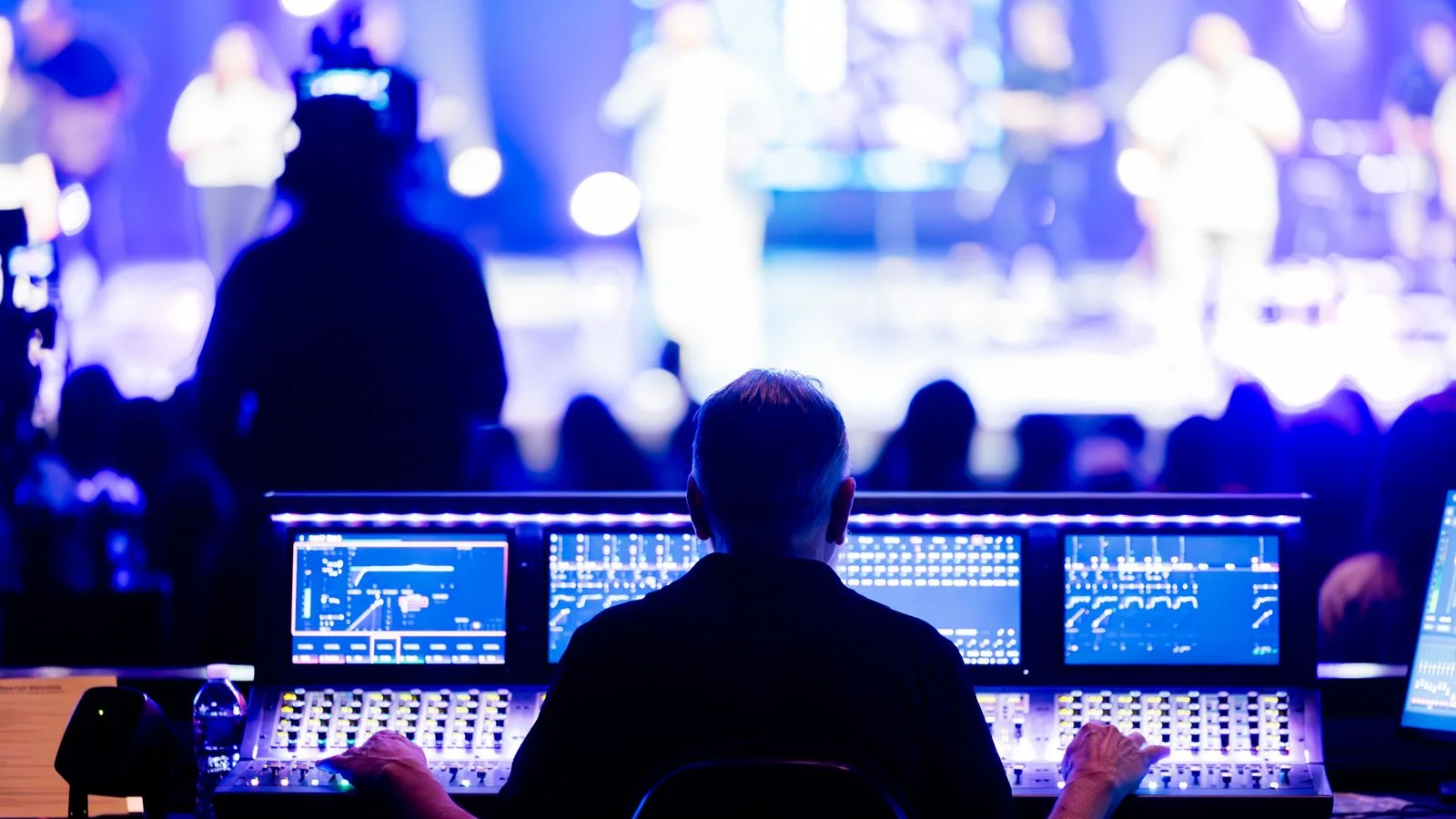
Cover photo: Caleb Oquendo via Pexels, used under the Pexels License.
The practical way to become a live music videographer in India is to make one team’s show easier to document before asking to shoot a bigger artist. Start with a clear, modest role on a real event: capture a defined set of shots, protect the files, respect the stage and audience, deliver what was agreed, and take an accurate credit. That is a more useful beginning than calling yourself a concert filmmaker after one rehearsal.
This guide is for videographers, editors, photographers moving into motion, musicians and small event teams. It is about earning a first legitimate live-music video credit, not about buying a particular camera or promising access to a festival pit.
Key takeaways
- Start with a bounded brief: artist, venue or promoter, deliverables, permissions and delivery date.
- Learn the production workflow as well as camera settings; an event crew needs someone who is safe, discreet and reliable.
- Back up, label and hand over footage exactly as agreed before building a public reel.
- Use a truthful role credit and permission-cleared clips to turn one good call into a credible portfolio.
How Indian independent music festivals work—and how a video crew can prepare
What does a live music videographer actually do?
A live music videographer documents a performance in a way that is usable after the show. The work may include a vertical teaser, a full-set recording, social clips, behind-the-scenes material, sponsor deliverables or archive footage. The exact brief decides whether you are an operator, a director, an editor, a one-person crew or an assistant. Do not blur those roles when you introduce yourself.
India’s National Qualification Register describes the related Still Photographer pathway as work that combines technical and creative skills for event and commercial clients. Its published skill areas include operating equipment, handling digital images, maintaining a portfolio and workplace safety. The same habits matter in concert video: know your task, protect the material and work well around other people. National Qualification Register, Still Photographer
The deliverable changes the shoot. A 30-second artist recap needs a different plan from an uninterrupted multicamera concert film. A promoter’s aftermovie may need wide crowd moments, sponsor signage and venue details. Ask what the footage needs to do before you decide where to stand.
| If the brief is for… | Clarify before the show | A useful first responsibility |
|---|---|---|
| An artist teaser | Format, duration, release date and whether performance audio is needed | Capture a planned sequence of clean vertical and horizontal moments |
| A venue recap | Venue priorities, audience consent process and brand requirements | Deliver establishing shots, room detail and agreed crowd coverage |
| A full performance | Camera positions, audio source, setlist and continuous-recording expectations | Operate one locked or roaming camera under a lead’s direction |
| Behind-the-scenes footage | Who may be filmed backstage and what must stay private | Record only the approved process, then label and hand over files carefully |
A camera is only one part of the job
Concerts move quickly. Artists arrive, soundchecks run late, cables cross the floor and a crowd fills the room. A useful videographer notices the production plan instead of becoming another problem for the stage manager. Ask where you may stand, where gear may be placed, who can approve a change and when you must clear an area.
The strongest early-career signal is not a dramatic slow-motion clip. It is a small body of proof that you can follow a brief, work around a live team and finish the handover. A promoter or artist can take a chance on a newcomer when the scope is clear and the risk is low.
How do you get a first legitimate concert-video call in India?
Begin with scenes that run repeatedly: open mics, college cultural teams, rehearsal rooms, independent showcases, cafés that programme music, community events and small venue series. Contact the person who is actually responsible for the programme or production, not a performer you have never met with a vague request for “a chance.” Your message should make it easy to say yes or no.
Try a short, specific note: state your city, link to a small relevant reel or sample, name the role you can handle, and propose a limited outcome. For example: “I can capture three vertical performance clips and a short recap; may I send a one-page shot plan for approval?” Be honest if you are operating alone, using a phone or still learning. False claims tend to surface at the first soundcheck.
College events can be a realistic route because several creative and technical teams need to coordinate in one place. Read our college-festival performance guide to understand what artists are asked to prepare, then offer production help that fits the programme rather than treating the event as free access.
For independent festivals, a video team may be working to a larger plan involving changing schedules, artists, sponsors and multiple stages. Our independent-festival guide explains that environment from the artist side. Start by asking what the video team needs at load-in, during soundcheck and at changeover. A small, well-run assistant call can become a better portfolio credit than an unauthorised shoot from the crowd.
Make the first agreement painfully clear
Before you arrive, write down five things: the client or point of contact, the exact deliverables, when and how footage will be delivered, whether you may publish clips, and how you will be credited. A WhatsApp confirmation is better than an assumption, but a proper written agreement is stronger when money, usage or rights are involved.
If the job is paid, clarify the fee, hours, travel, equipment, edit scope, revision route and payment timing. The creative freelance contract checklist can help you turn those points into a practical conversation. If you are quoting independently, use the creative-work pricing guide to separate a small capture-only call from a shoot-plus-edit package.
What should you plan before a live-music shoot?
Plan the coverage before the lights go down. Confirm the event run-of-show, artist names, stage access, venue restrictions, delivery formats and the single person who can change the brief. Then turn that information into a compact shot list that leaves room for the live moment.
The NQR Still Photographer qualification is at NSQF Level 4 and lists equipment, digital-image handling, portfolio development and safety among its core outcomes. Treat that as a useful competency map rather than a rule that every freelancer must hold that qualification. In live work, preparation and safety are part of the creative standard, not paperwork after the fact. National Qualification Register, Still Photographer
Use a simple pre-show list:
- Confirm arrival time, entry name, venue contact and where you may store a bag.
- Ask whether stage access, tripod placement, flash, lights or gimbals are permitted.
- Check the intended frame: vertical, horizontal or both. Do not promise both if one operator cannot cover them well.
- Test batteries, media, storage, time settings and a backup path before leaving home.
- Decide how you will capture usable sound, or state clearly that your deliverable is silent visuals only.
- Identify moments that cannot be repeated: first song, guest appearance, sponsor cue, crowd reveal or final bow.
Sony’s beginner guidance on dim indoor events notes that autofocus can struggle in low light and recommends using a brighter object at the same distance to establish focus when necessary. That does not replace learning your own camera, but it explains why you should test focus behaviour before a show—not discover its limits during a chorus. Sony India, Capturing Beautiful Party Photos
Work with the crew instead of around them
Introduce yourself to the production lead, sound engineer and lighting operator when appropriate. Do not ask them to stop a working soundcheck for a camera test. Tell the lead when you need to move, avoid blocking sightlines, tape or secure approved gear, and keep bags out of exits and cable runs.
Read our live sound engineer guide to understand why a show’s technical team needs calm, precise communication. It is useful context for videographers: the crew is delivering a live experience, not a controlled film set. If you need a change, ask at the right time and accept “not now” without argument.
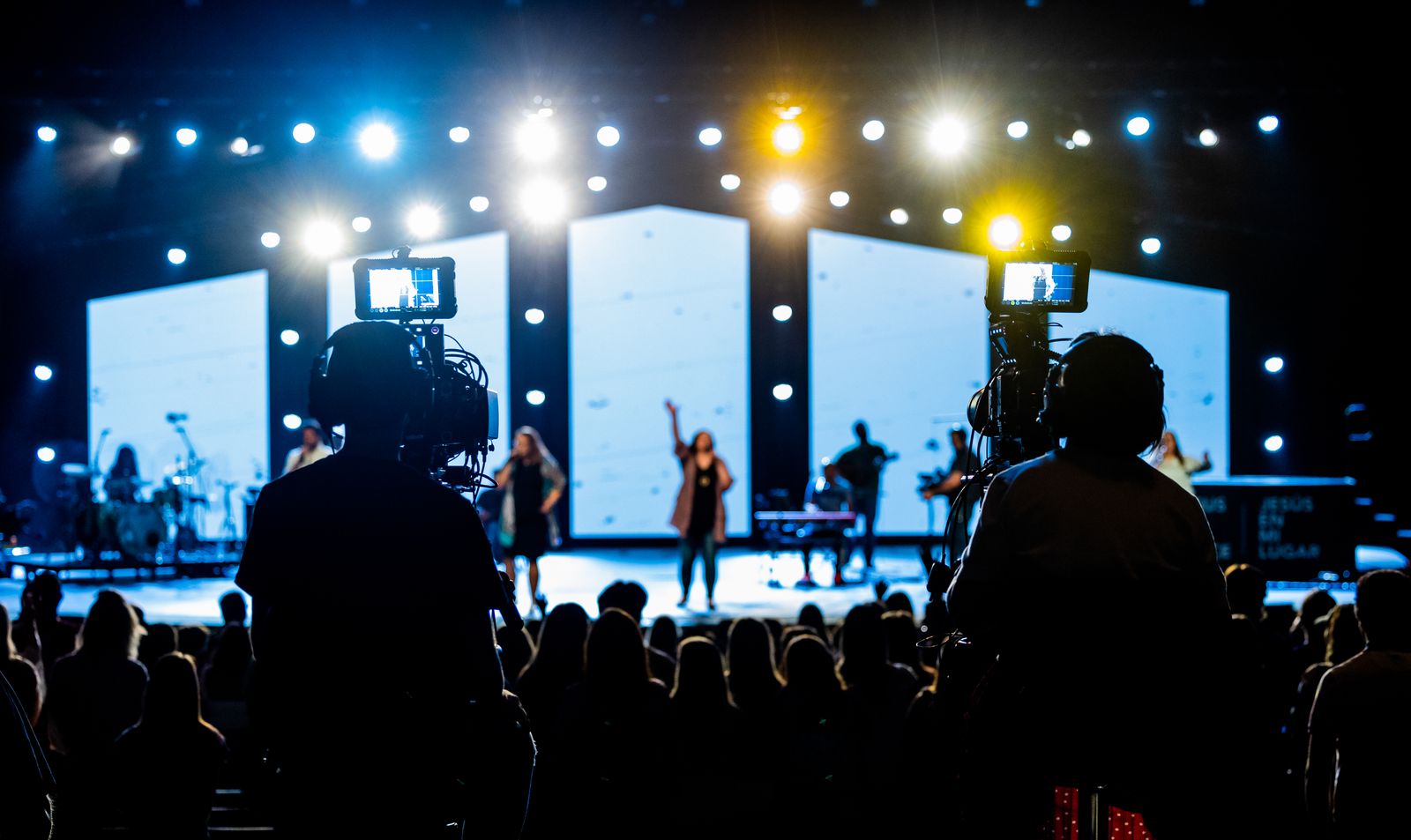
Photo: Caleb Oquendo via Pexels, used under the Pexels License.
How should you handle files, edits and the final handover?
The job is not over at the final song. Copy the cards, verify the transfer, keep the original material organised and send the agreed deliverable through the agreed route. If you cannot deliver an edit, do not imply that you can; an organised, prompt handover of clean footage is still valuable work.
Adobe’s 2026 Premiere lesson recommends a consistent folder structure with separate bins for sequences, footage, audio, graphics and extras. Adapt that idea to the scale of the job: one event folder, one card-copy folder, one project folder, one export folder and one delivery note can prevent a rushed handover from becoming a missing-file problem. Adobe, Import and organize your travel footage
Use names a collaborator can understand. For example, 2026-10-15_artist_venue_camA_card01 gives a future editor more context than MVI_1847. Keep a delivery note with what you sent, the date, any known gaps, and whether the client approved public excerpts.
| Handover item | Why it matters |
|---|---|
| Original media status | Lets the client know whether files are intact and where they are stored |
| Edited exports | Confirms the exact format, aspect ratio and version sent |
| Audio note | Makes clear whether audio is camera scratch, a board feed or absent |
| Release and usage note | Avoids treating a public reel as automatic permission |
| Credit line | Gives the artist or organiser a ready-to-use, accurate attribution |
Do not guess who owns the footage
For paid commissions, footage ownership and use should be written into the agreement. India’s Copyright Act says that a photograph or cinematograph film made for valuable consideration at someone’s instance may make that commissioning person the first owner of copyright, unless an agreement says otherwise. That is one reason to define ownership, raw-footage access, editing rights, archive period and reel permission before the job. Copyright Office, Copyright Act 1957, Section 17
This is general educational guidance, not legal advice. If a commission involves a label, brand campaign, broadcast, a large fee or disputed usage, use a written contract and seek qualified legal advice. The video-editor pricing guide also explains why post-production scope, source files and usage should not be treated as afterthoughts.
The most professional portfolio practice is to wait for permission. A short approved excerpt released after the artist’s own announcement can be more valuable than a fast, unauthorised upload. It tells future clients that you understand the difference between documenting their work and owning their release calendar.
How do you turn one event into a useful portfolio?
Build a small case study, not a highlight dump. State the event type, the client or organiser if they approve it, your exact role, the deliverables, the constraints and the approved result. If you only captured second camera, say so. If you edited a teaser from another team’s footage, say that too. Specific credit is a sign of professional judgement.
Your public portfolio can include a short reel, a few still frames and a short written project note. It should not include backstage conversations, unreleased music, audience close-ups or raw production documents unless the relevant people have approved their use. A well-organised portfolio makes it easier for a future manager or production coordinator to place you on the right kind of job.
Our creative portfolio guide for freelancers in India shows how to make a case study about contribution rather than claiming an entire project. Kredl can be a useful home for that proof: build a profile around real roles, releases and collaborators so your next contact sees what you actually helped make.
Make your live-work credits easier to recognise. Build a Kredl profile around the projects and collaborators you can accurately name: kredl →
Frequently Asked Questions
Do I need a film-school qualification to start live music videography in India?
No single qualification guarantees a concert-video job. The NQR’s Still Photographer qualification is an NSQF Level 4 certificate pathway, but the relevant lesson for a beginner is its skill map: equipment use, digital-image handling, portfolio development and safety. Build those capabilities through supervised, real work and truthful credits. NQR
Can I shoot a concert and post it on my own page?
Do not assume that filming permission includes public-release permission. Confirm in writing who may use the footage, when it can be posted and how credits should appear. For paid commissions, Section 17 of the Copyright Act can affect initial ownership of a cinematograph film, depending on the facts and agreement. Copyright Office
What should a first live-music videography package include?
Keep the first package narrow: a stated shooting window, one or two named deliverables, agreed formats, an edit or footage-only choice, delivery date and credit. Add raw footage, travel, audio capture, extra versions and revisions only when they are explicitly included. Clear scope protects both the artist and the videographer.
How do I approach a venue or artist for my first video credit?
Offer a defined service, not an open-ended request for access. Link to your strongest relevant sample, name the result you can deliver, and ask who owns video decisions. For a college or independent-music setting, learn the event’s priorities first through our open-mic guide and festival guide.
Earn the second call by finishing the first one well
Your first concert-video credit need not be a major festival or a famous artist. It needs a real brief, a respectful shoot, a clean handover and an accurate credit. That combination proves you can do more than make a handsome clip: you can support an artist or event team under real conditions.
Start with a small, clear role. Keep your promises. Ask for permission before publishing. Then make the finished project simple for the next collaborator to verify. That is how a live music videography practice becomes a career rather than a collection of lucky access moments.
Sources, methodology and image credits
- National Qualification Register, “Still Photographer,” NQR code 2021/ME/MESC/04867 V2.0, retrieved 2026-10-15. Used for the competency map and qualification context; it is not presented as a mandatory route into freelance concert work.
- Sony India, “Capturing Beautiful Party Photos”, retrieved 2026-10-15. Used for low-light autofocus guidance.
- Adobe, “Import and organize your travel footage”, published 2026-01-06, retrieved 2026-10-15. Used for project-folder and media-organisation guidance.
- Copyright Office, “Copyright Act 1957,” Chapter IV, retrieved 2026-10-15. Used for the limited, general ownership note; this article is not legal advice.
- Cover photo by Caleb Oquendo on Pexels, retrieved 2026-10-15, stored locally and used under the Pexels License.
- Inline performance-camera photo by Caleb Oquendo on Pexels, retrieved 2026-10-15, stored locally and used under the Pexels License.