Music Video Budget in India: A Scope-First Guide for Independent Artists
A practical way for independent musicians to plan a music-video budget in India: define the job, choose the right crew, protect rights and get a quote that matches the release.
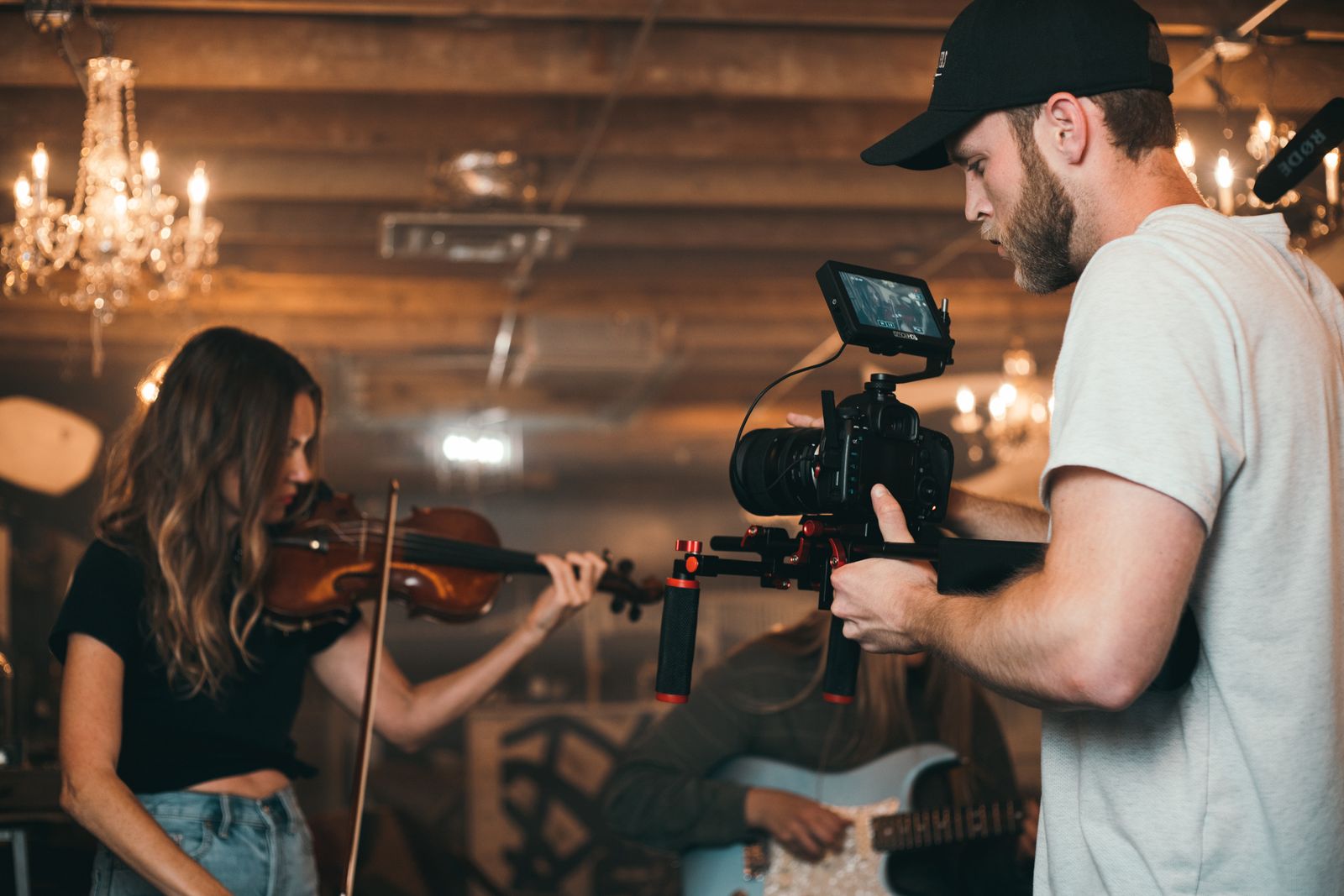
Cover photo: Kyle Loftus via Pexels, used under the Pexels License.
The best way to budget a music video in India is to set the creative scope before asking for a price. Decide what the video must do for the song, what footage you actually need and what can be completed in one controlled shoot. Then request comparable quotes that name the crew, equipment, locations, edit, colour, revisions and final deliverables. A vague “music video package” is not a budget.
The Indian Copyright Office describes a cinematograph film as a visual recording with its accompanying sound recording, and identifies separate creative roles around music and film. That is why a video plan must cover more than the camera: it needs clarity about the song, performers, footage and final use. Copyright Office, Handbook of Copyright Law
Key takeaways
- Start with a creative brief and a release purpose, then choose the smallest production that can do that job well.
- Ask every vendor for the same written scope; quotes are only comparable when the deliverables match.
- Put permissions, credits, footage access and edit revisions in writing before the shoot day.
- Keep contingency for a real risk, not an unplanned wishlist.
How to work as a live-music videographer in India
What should a music video budget achieve?
A music-video budget should buy a usable release asset, not the appearance of a larger production. Before discussing equipment or a director, write one sentence that explains the job: introduce a new artist, give an existing single a performance visual, document a collaboration or create a short narrative people can understand without a long explanation.
That sentence makes later choices easier. If the goal is to show a vocalist’s performance, a carefully lit one-location shoot may be more valuable than three locations and a loose story. If the goal is a narrative world, the budget needs to acknowledge the extra planning behind locations, cast, art direction, permits, transport, meals, schedules and post-production.
The key distinction is between a hero video and a content day. A hero video is the primary release asset and needs a focused visual idea. A content day may produce short clips, vertical performance moments, stills and behind-the-scenes material. Both can be worthwhile. Problems start when a team expects one modest shoot to deliver both at full scale without defining the trade-off.
Treat every new ambition as a visible line in the plan. A rain machine, a second location, dancers, drone footage, styling or an overnight schedule may be artistically right. But each should be an intentional decision with an owner, not an assumption hidden inside “cinematic.”
How do you write a brief that produces useful quotes?
Send the same one-page brief to each potential director or producer. It does not need polished design. It needs enough detail that people are costing the same job rather than guessing at different versions of it.
Include these basics:
- Song and release context: private listening link, final runtime, release window and the audience you want to reach.
- Creative direction: one paragraph on the mood, references and what the viewer should remember.
- Format: horizontal hero video, vertical edit, short clips, stills or a specific combination.
- Scope: likely shoot days, locations, performers, props, wardrobe and whether the artist needs help with any of them.
- What is supplied: final track, playback version, artist, available locations, existing crew or an approved moodboard.
- What must be quoted: pre-production, crew, gear, location, transport, art, wardrobe, edit, colour, captions, stills, revisions and delivery formats.
Do not send a moodboard without a written brief. Reference images can show colour and energy, but they do not say whether the team is expected to build a set, hire dancers or deliver social cut-downs. Clear writing protects the creative idea because it lets a collaborator say what is feasible before anyone arrives on set.
A good quote separates inclusions from exclusions. If travel, permits, rentals, overtime, external hard drives, food or music-video thumbnails are not included, say so. The purpose is not to force every supplier into the lowest price. It is to prevent a cheap-looking estimate from becoming an expensive surprise later.
Which choices move the budget most?
The most important cost decisions are usually scope decisions. Every extra shoot day, company move, location, performer, lighting setup and bespoke visual effect creates work before, during and after the shoot. The practical response is not to remove all ambition. It is to choose one or two elements worth protecting and simplify the rest.
Here are three workable scope models:
A focused performance film
One location, one performance idea and a small, prepared crew can make a strong visual when the song and artist carry the frame. Spend planning time on blocking, playback, wardrobe, lighting and a shot list. This model is useful for a debut, a live-session-style release or an artist who needs clear footage more than plot.
A contained concept video
Build one visual world around a simple action: an artist moving through a room, a conversation, a repeated ritual or a performance with one transformation. This can need more production design and rehearsal than the performance film, but it avoids the logistical sprawl of a multi-location narrative.
A narrative or multi-location film
This model can be compelling, but it needs a producer’s discipline. Ask whether every location changes the story or merely adds a new background. Build the schedule around company moves, daylight, sound, cast availability and a realistic post-production plan. A smaller narrative that is completed well is usually a better release asset than an unfinished grand idea.
The money-saving question is not “What can we cut?” It is “What will the viewer notice if it is missing?” Spend on the element that carries the idea—perhaps a performer, a location, lighting or the final edit—and make everything else serve it.
What should be in the production agreement?
Put the shared understanding in writing before filming. This is a business document as much as a creative one. It can be a short agreement or a detailed production contract, depending on the project, but it should state who is commissioning the video, what is being delivered, the payment schedule, who approves the final edit and what happens if the shoot moves or is cancelled.
The Copyright Office’s handbook identifies different right holders in a music recording, including the lyricist, composer, singer, background musicians and producer. It also describes a performer as including singers and musicians, with rights relating to visual recordings of a performance. The point for a small team is simple: do not assume that paying for a shoot automatically answers every rights and consent question. Copyright Office, Handbook of Copyright Law
At minimum, record:
- The song title and the exact footage being commissioned.
- Names and contact details for the artist, producer, director and other featured performers.
- The agreed use of the footage: release video, trailers, social clips, live visuals, portfolio use and paid advertising if relevant.
- Ownership or licence terms for the final film, raw footage and project files.
- On-screen and metadata credits for director, cinematographer, editor, colourist, dancers, stylists, production designer and performers.
- The number and timing of edit rounds, plus who can give consolidated feedback.
If the video uses third-party artwork, a recognisable venue, a branded location, a sample, archival footage or performers beyond the artist, ask the right person whether extra permission is required. For material risk or a complex ownership arrangement, speak with an Indian entertainment lawyer. This guide is practical information, not legal advice.
For the song itself, use a split sheet before the release. It handles a different question from the video agreement, but both documents stop creative credits from becoming afterthoughts.
How do you keep shoot day from consuming the edit budget?
Lock the final track and playback version before the camera rolls. Give every performer the same approved file. Then make a shot list that names the essential moments: opening, performance coverage, close-ups, transitions, key narrative beats and vertical-safe framing if you plan short clips.
Assign one person to protect the schedule. That might be the producer, director or a trusted production coordinator. The artist should not be trying to perform, approve wardrobe, order food and decide whether there is time for a second location at the same moment.
Keep feedback disciplined after the shoot. Consolidate notes into one list, rank them by importance and send them through one decision-maker. “Make it more cinematic” is difficult to action; “replace the wide opening shot with take 4, add captions to the vertical cut and reduce the blue grade” can be costed and completed.
If the original plan calls for a hero video plus smaller assets, schedule that deliberately. Capture portrait-safe framing, stills and behind-the-scenes clips while the crew, performer and location are already together. Do not assume the horizontal master can always be cropped into a useful vertical piece.
Build a visual project, not a one-off expense
A music video is easier to justify when it creates a useful set of assets: one primary film, selected short clips, approved press stills and clear credits for every collaborator. That does not mean squeezing everything from a crew without paying for the work. It means planning the release so the paid production work can remain useful after launch day.
Kredl can help you keep the collaborators and confirmed credits behind a release understandable when you meet new producers, filmmakers, photographers or performers. It cannot replace a clear brief, a written agreement or a realistic quote. Those are still the foundations of a good project.
If you are planning the release around an EP rather than a single, pair this process with our concept-EP release guide. It can help you decide whether the video is the project’s main visual statement or one part of a broader release plan.
Frequently Asked Questions
How much should an independent artist budget for a music video in India?
There is no reliable nationwide rate card for music videos. Request comparable written quotes after setting the song, formats, shoot days, locations, cast, crew, post-production and rights. The number is only meaningful when you know exactly what it includes, excludes and delivers.
Should a music-video quote include editing and colour grading?
It should state this explicitly. Ask whether the quote includes an offline edit, colour grade, captions, revisions, final master, vertical versions, stills and file delivery. If something is not included, decide whether to remove it or price it separately before the shoot is confirmed.
Who owns the music-video footage?
Do not assume. The agreement should say whether the artist owns the final film, whether the director or production company retains any portfolio rights, and who receives raw footage or project files. The Copyright Office distinguishes the producer of a cinematograph film from other music right holders, so written terms matter. Copyright Office
Do featured musicians need a release for a music video?
Clarify this before filming. The Copyright Office describes singers and musicians as performers and notes rights around visual recordings of a performance. A written agreement should cover consent, credits and the uses the team expects to make of the footage. Copyright Office
Sources, methodology and image credits
This guide uses India’s official copyright guidance for rights context and practical production-planning advice. It is not a substitute for legal, tax or production counsel for a particular shoot.
- Copyright Office, Government of India, Handbook of Copyright Law, rights-holder and performer-rights guidance, retrieved 2026-10-24.
- Copyright Office, Government of India, Copyright Act, 1957, definitions for cinematograph film and performer, retrieved 2026-10-24.
- Copyright Office, Government of India, Copyright Rules, 2013, written-consent provision for performers in cinematograph films, retrieved 2026-10-24.
- Cover image: Kyle Loftus, “Man Holding Camera and Woman Playing Violin”, Pexels License, retrieved 2026-10-24.