How Shubha Mudgal Built a Career Across Hindustani Classical and Pop Music
Shubha Mudgal’s career shows musicians how deep training, selective experimentation and a continuing relationship with live listeners can coexist without flattening the work.
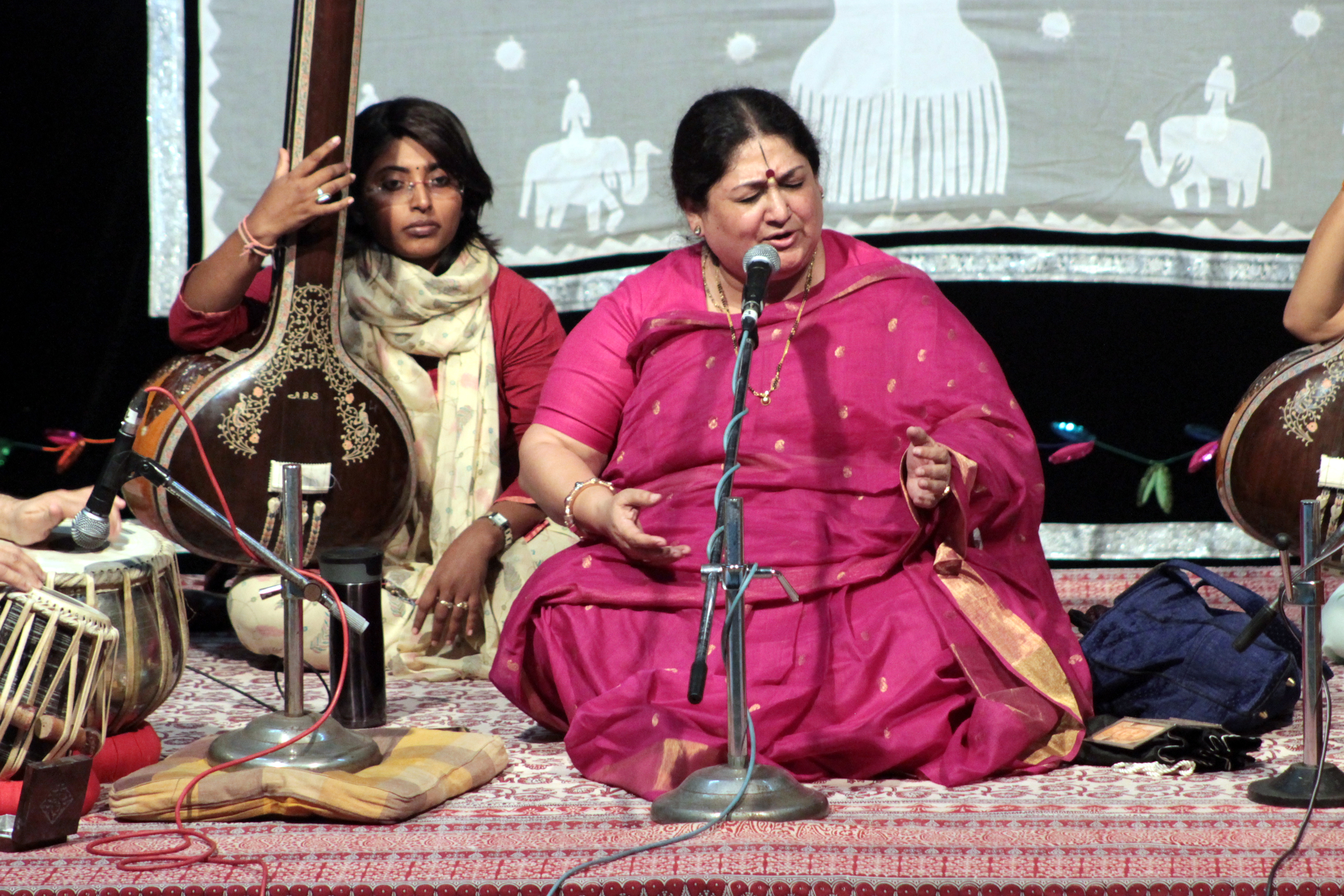
Cover photo: Shubha Mudgal performing at Bhopal, by Suyash Dwivedi, via Wikimedia Commons, used under CC BY-SA 4.0. Cropped for this cover.
Shubha Mudgal built a long music career by treating classical training as a working foundation, not a boundary. Her Hindustani classical practice remained central while she composed, recorded popular songs, worked in film, taught and wrote about music. For an Indian musician, the useful lesson is not to copy her repertoire. It is to make each new opportunity answer to a clear artistic centre.
Mudgal’s official biography describes training in khayal and thumri with Ramashreya Jha “Ramrang”, Vinaya Chandra Maudgalya, Vasant Thakar, Jitendra Abhisheki, Kumar Gandharva and Naina Devi. It also records a 1995 National Film Award for Amrit Beej and the Padma Shri in 2000. Shubha Mudgal, “About”
Key takeaways
- Mudgal’s more than four decades of professional work grew from sustained Hindustani classical training, not a quick genre switch.
- She treated pop, film, teaching and curation as selective extensions of a musical practice, not replacements for it.
- A musician’s strongest crossover choices are easier to make when the core craft, collaborators and rights are kept clear.
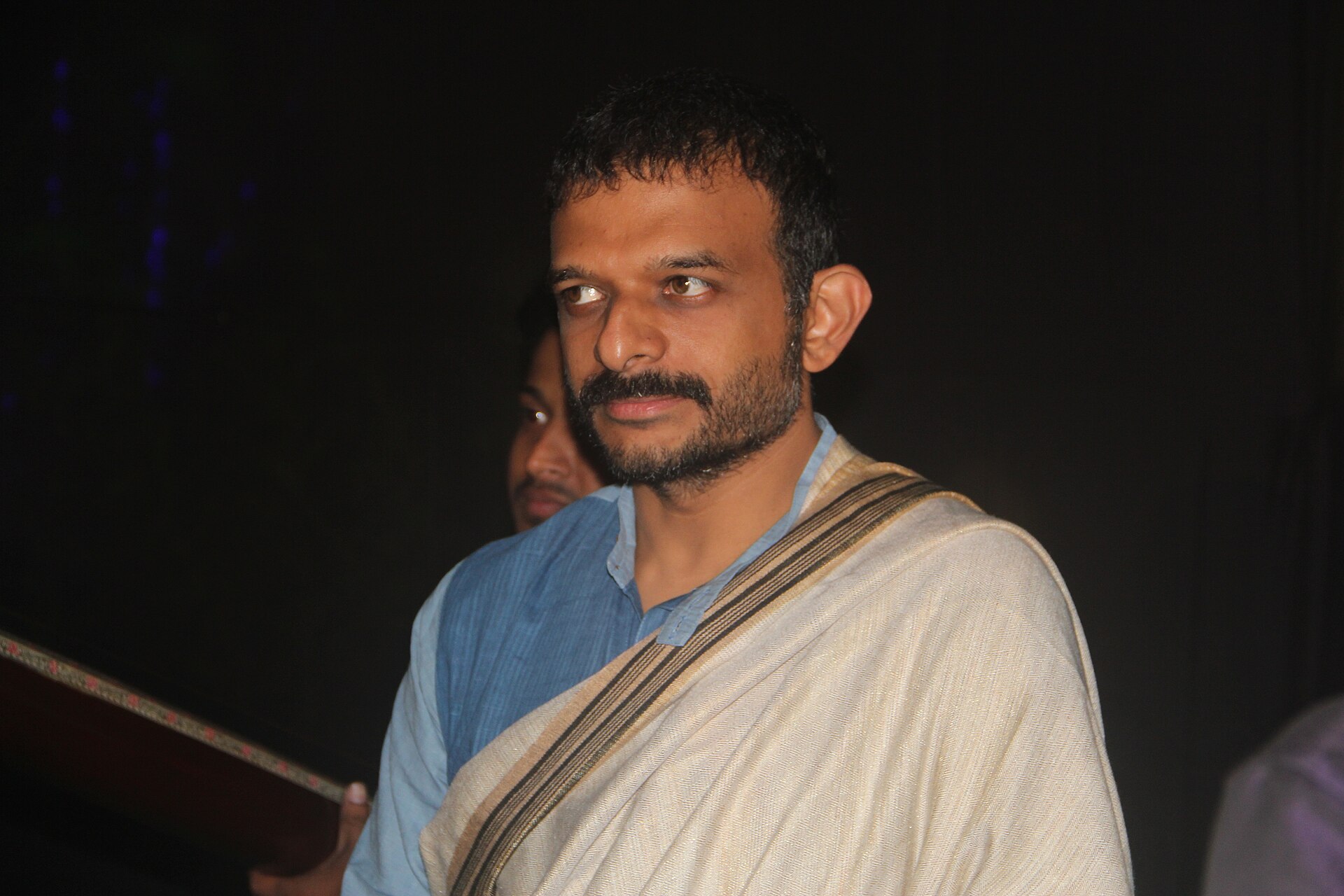
How T.M. Krishna built a Carnatic music career that challenged the room
Where did Shubha Mudgal’s musical foundation come from?
Mudgal’s career began with study, not a release campaign. Her official biography says she was born into a musically committed family and trained in khayal and thumri-dadra traditions with several major teachers. That long apprenticeship explains why later experiments sound connected to a voice and vocabulary she had already spent years developing. Shubha Mudgal, “About”
This matters because “find your sound” can be misleading advice for an early artist. A sound is often the result of repeated work: listening closely, learning a form’s grammar, rehearsing with care and understanding what a musical choice does to a listener. Mudgal’s teachers offered different kinds of learning—from repertoire and composition to stylistic technique—rather than one shortcut to a finished identity.
For a singer, that may mean regular riyaaz and a few songs studied deeply. For a producer, it may mean rebuilding arrangements, learning an instrument or spending time in sessions where another artist leads. For a manager, it means recognising that an artist’s “brand” should not outrun their actual body of work.
The practical takeaway is to separate visibility from foundation. A short-form clip can introduce a musician to people; it cannot substitute for a practice that makes the next performance, recording or collaboration better than the last.
How did she move between classical music and popular work?
Mudgal did not frame popular work as an escape from classical music. In a 2025 India Today interview, she described classical training and love as her “anchor” when she experiments or collaborates in other musical systems. The same interview notes that she has sung professionally for more than four decades and that songs including “Ab Ke Sawan” and “Ali More Angna” still circulate with listeners. India Today, “Q&A with Shubha Mudgal | Truly classic”
That is a better model than treating crossover as a costume change. A musician does not need to imitate the new market’s surface signals to make a thoughtful shift. The question is whether the new project gives the artist a real musical role: a way to use their voice, rhythmic sense, writing or production instinct with purpose.
In a 2023 Indian Express interview, Mudgal said she feels closest to khayal and thumri-dadra, while discussing her occasional work outside those forms. That distinction is useful. An artist can explore widely while being specific about the work that remains central. The Indian Express, “Shubha Mudgal: ‘Have never felt the urge to do playback singing in films’”
For emerging artists, “versatility” is strongest when it is legible. Keep a short note for collaborators and bookers: what you do, what you are open to trying, and what you will not dilute. It turns an abstract creative boundary into an easier professional decision.
What career decisions kept the work connected?
The record suggests a career built across several roles, rather than around a single hit. Mudgal’s official site identifies her as a vocalist, composer and author, and describes work in performance, teaching and writing about Indian music. It also lists her 2025 Saluja Global Fellowship at the University of Pennsylvania’s Centre for the Advanced Study of India and an honorary doctorate from Techno India University that year. Shubha Mudgal, “About”
The important pattern is not to accumulate titles. It is to let related work reinforce the main practice. Teaching can sharpen how an artist explains a form. Writing can clarify an artistic position. Curating can expand a musician’s listening and relationships. A well-chosen film or pop recording can bring a voice to listeners who may later seek out a concert.
That approach is especially useful in an Indian independent scene where one person may perform, compose, advance shows, manage files and answer enquiries. You do not have to do all of those jobs forever. But knowing which work protects the music and which work drains it helps you build a team deliberately.
If a new collaborator joins a track, document that collaboration before release. Our song split-sheet guide for India explains how to write down contributions, publishing and master shares while everyone still agrees. A clear record makes it easier to say yes to future work without turning a creative session into a later dispute.
Why did live performance remain central?
Live performance gave Mudgal a continuing place to test and share the work. Her official biography describes touring for concerts and assignments in India and abroad, while her 2023 interview with The Indian Express reflects on returning to audiences after the pandemic. A performance career can evolve across formats, but it still depends on preparing material that works in a room. Shubha Mudgal, “About” The Indian Express
For an independent musician, a live set is not merely promotion for a streaming release. It is a separate piece of work: pacing, sound, communication with the crew, the bill and the audience’s attention. A listener who first finds a song online needs a reason to stay for a 30- or 60-minute performance.
That is why artists should plan for the room before a date is announced. Agree the set length, arrival time, soundcheck, fee structure, production responsibilities and cancellation terms in writing. Then send a concise, workable rider when the show is real. Use our technical rider and stage-plot guide to make that conversation clear for the venue crew.
What can younger musicians learn from her approach to change?
Mudgal’s 2025 interview makes the point directly: she sees the internet as a welcome way for listeners to access music from around the world, while grounding experiments in sustained musical training. That combination is useful for a generation that can release globally from a phone but still needs an artistic reason for every release. India Today, “Q&A with Shubha Mudgal | Truly classic”
Try this before accepting a collaboration, brand request or genre change:
- Name the musical skill the project asks you to use.
- Ask whether the project strengthens your catalogue or only creates a momentary distraction.
- Confirm who owns the master, who controls release decisions and how every contributor is credited.
- Decide what material you will perform live after the campaign ends.
None of these questions guarantee a successful record. They do make your next decision more deliberate. That is the durable part of Mudgal’s example: protect the work’s centre while remaining curious enough to let new work in.
A career can be both rooted and porous
Shubha Mudgal’s story is not a formula for mixing genres. It is an argument for disciplined curiosity. Deep training gave her a way to enter other rooms without abandoning the work that formed her; performance, composition, teaching and writing kept that practice connected to people and ideas.
For musicians building in India now, the equivalent may be less formal but just as real: keep practising, choose collaborations with intent, credit people accurately and make the live show worth returning to. Kredl is a place to make the work, collaborators and confirmed credits behind a project easier for the next right person to understand. It cannot manufacture a career; it can help the real work be seen clearly.
Frequently Asked Questions
What is Shubha Mudgal best known for?
Shubha Mudgal is known as a Hindustani classical vocalist and composer whose work also includes popular music, film, teaching and writing. Her official biography records a 1995 National Film Award for music direction in Amrit Beej and the Padma Shri in 2000. Shubha Mudgal, “About”
Did Shubha Mudgal leave classical music for pop music?
No. In a 2025 India Today interview, Mudgal described her classical training as the anchor for experiments and collaborations. She has spoken about occasional popular work while continuing a professional career in Hindustani classical music that spans more than four decades. India Today
What can an independent musician learn from Shubha Mudgal?
Build enough craft to make choices on purpose. Mudgal’s public career combines study, performance, composing, teaching and selective experimentation. For a newer artist, the practical version is to keep a clear creative centre, choose collaborators carefully and document credits and rights before release.
How should an artist prepare for a crossover collaboration?
Start by agreeing on the musical role, rights, credits, release plan and live implications. A crossover works best when it uses a genuine strength rather than asking the artist to imitate a trend. Keep the agreement and split sheet clear before files enter distribution.
Sources, methodology and image credits
This is an editorial profile based on first-party biographical material and established Indian cultural journalism. It does not claim to be an authorised biography.
- Shubha Mudgal, “About”, official biography and awards list, retrieved 2026-10-23.
- India Today, “Q&A with Shubha Mudgal | Truly classic”, published 2025, retrieved 2026-10-23.
- The Indian Express, “Shubha Mudgal: ‘Have never felt the urge to do playback singing in films’”, published 2023, retrieved 2026-10-23.
- Cover image: “Shubha Mudgal at Bhopal”, by Suyash Dwivedi, CC BY-SA 4.0, retrieved 2026-10-23; cropped for the cover.