How T.M. Krishna Built a Carnatic Music Career That Challenged the Room
T.M. Krishna's path from rigorous Carnatic training to a wider public voice offers a career lesson in artistic depth, deliberate choices and making tradition answer new questions.
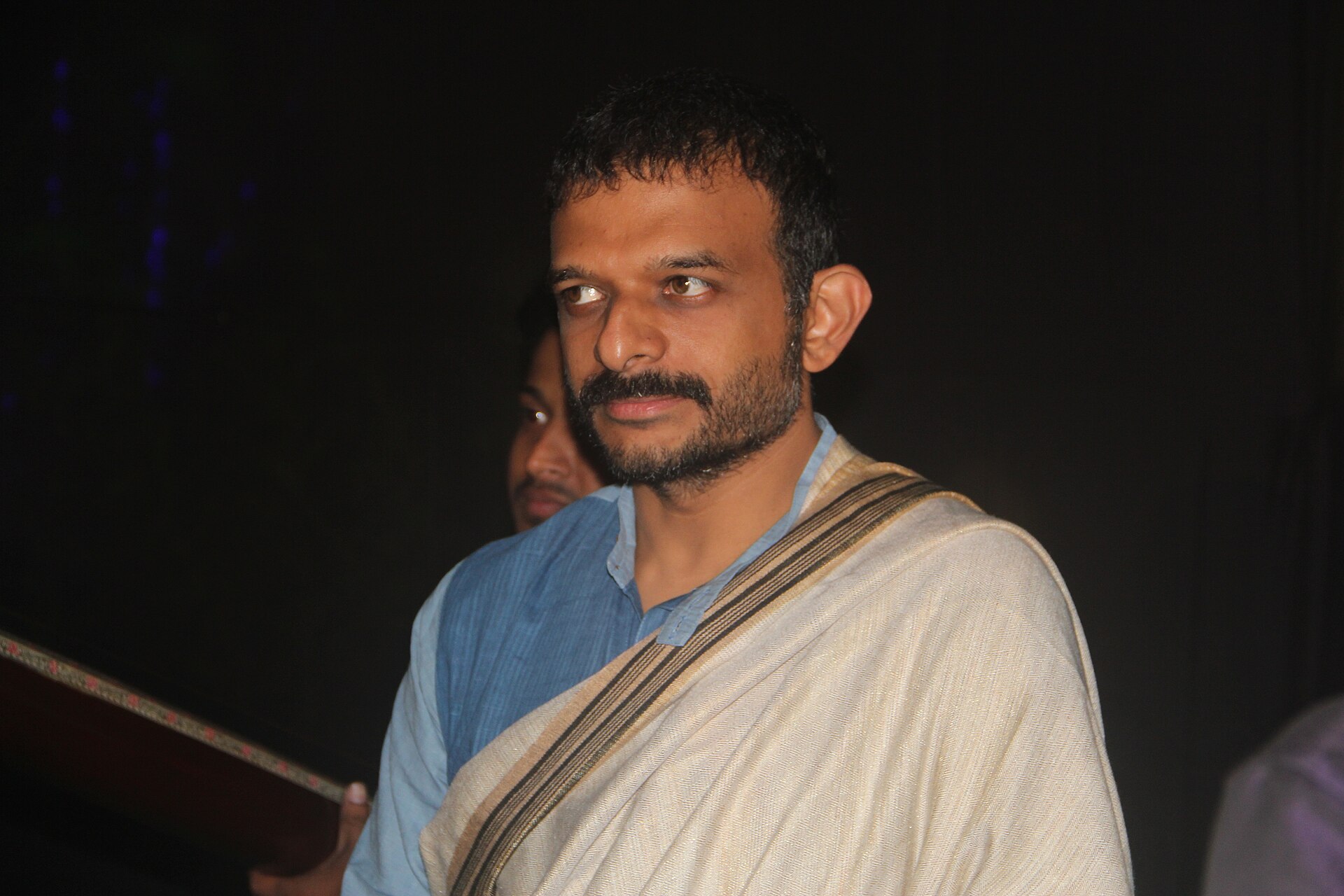
Cover photo: Carnatic vocalist T.M. Krishna at the Rajarani Music Festival, Bhubaneswar, 2016. Photo by Krupasindhu Muduli, via Wikimedia Commons, licensed CC BY-SA 4.0. Cropped for the cover.
T.M. Krishna built his career by treating Carnatic music as a practice deep enough to sustain both mastery and questioning. His story is not a formula for copying his positions or concert choices. It is a useful example of what happens when an artist spends years developing a craft, then refuses to let professional safety become the only creative criterion. For musicians building a long career in India, that combination—serious preparation, a recognisable point of view and the courage to make deliberate choices—is the lesson.
The Music Academy says Krishna began learning music at six and gave his first concert at 12 in its Spirit of Youth series. In 2024, the Academy named him its Sangita Kalanidhi. Those two moments frame a career built from the traditional concert platform but not limited to repeating it. The Music Academy, Madras
Key takeaways
- Long-term artistic freedom is built on real practice, not on novelty alone.
- A recognisable voice can come from decisions about repertoire, collaborators and context—not just a new sound.
- Writing, teaching and public conversation can deepen a musician's career when they are connected to the work.
- An artist can respect a tradition without treating its current customs as beyond examination.
How Attakkari connects Carnatic music with club culture
What was T.M. Krishna's early musical foundation?
Krishna's foundation was disciplined Carnatic training. The Music Academy's 2024 profile says he trained under Bhagavatula Seetharama Sarma, Chengalpattu Ranganathan and Semmangudi Srinivasa Iyer, then became a regular performer in India and abroad. The Sangeet Natak Akademi's profile similarly records extensive early training and later special work in Ragam-Thanam-Pallavi. The Music Academy, Madras Sangeet Natak Akademi
That detail matters because it corrects a common misunderstanding about artistic individuality. A point of view does not have to be an escape from technique. Often, technique is what gives an artist the room to make a choice that is not merely fashionable or safe.
For a singer, instrumentalist or producer, the equivalent may be years spent on voice, rhythm, arrangement, ear training, repertoire or engineering. The public may encounter the finished personality first. The working musician knows that personality gets durable when it has a strong base underneath it.
An artist's “signature” is not a surface treatment added at the end of the process. It is the accumulation of choices they can make well because the underlying craft is secure.
How did he turn training into a distinct public identity?
Krishna's career shows that the conventional concert stage can be a place for interpretation, not simply reproduction. His official biography describes him as a musician who has spent more than two decades making personal discoveries and bringing those experiences into music. The Music Academy notes that he developed a distinctive style, wrote about the art form and collaborated across genres and lyric traditions. T.M. Krishna The Music Academy, Madras
That is a career decision, not a branding trick. It asks an artist to decide what their work is trying to hear, say and make possible. In Krishna's case, the choices have sometimes led to debate. But the lesson for a younger musician is not “be controversial.” It is to understand the difference between a thoughtful artistic choice and a temporary attempt to attract attention.
If you are combining traditions—whether that is Carnatic voice with electronic production, regional folk music with an indie band, or classical phrasing inside film work—name the centre of the project clearly. Which musical commitments are non-negotiable? Which are open to change? That clarity makes collaboration stronger and keeps an experiment from becoming costume.
Why did writing and teaching matter to the career?
Music careers are often reduced to releases and performances. Krishna's work shows another path: extend the conversation around the practice. The Music Academy lists A Southern Music – The Karnatik Story among his books and says his creativity found expression in writing; the Sangeet Natak Akademi profile notes lecture-demonstrations and teaching alongside performance. The Music Academy, Madras Sangeet Natak Akademi
Writing does not mean every artist needs a book. It can mean documenting an arrangement process, explaining the history behind a song, hosting a listening session, teaching a workshop or publishing a thoughtful note with a release. The useful test is whether the material adds context that listeners and collaborators can actually use.
For independent artists, this can also make the work more legible to programmers, journalists and future collaborators. A clear artist page, accurate credits, a short live video and a description of the musical project help someone understand the work before a meeting or showcase. Kredl is built around that professional legibility: a profile and confirmed credits are more useful than vague claims of reach.
How to collaborate with musicians in India
What do the career milestones actually show?
Milestones do not make an artist's work meaningful by themselves. They can, however, mark how a body of work has become visible to different institutions and audiences. Krishna received the Ustad Bismillah Khan Yuva Puraskar for Carnatic vocal music in 2006, according to the Sangeet Natak Akademi. Sangeet Natak Akademi
The Ramon Magsaysay Award named him a 2016 awardee, citing his work as an artist and advocate who used music to address social divisions. Ramon Magsaysay Award Foundation The Music Academy then conferred its Sangita Kalanidhi on him in 2024. The Music Academy, Madras
Read together, those milestones suggest a more useful career principle than “collect recognition.” Build a body of work that different rooms can understand on its own terms. A festival, a cultural institution, a classroom and a listener may value different things. A coherent practice makes it possible for each to find something real.
Recognition is most useful when it follows a practice you would continue without it. Otherwise, the milestone begins to choose the work instead of the work earning the milestone.
What can working musicians take from this story?
First, take the long view of skill. Krishna's early training and concert development were not a shortcut to a public position; they were the foundation for it. Make a rehearsal and learning plan that survives the weeks when nobody is watching.
Second, decide what you want your work to stand for musically. This does not need to be a slogan. It can be a recurring commitment: language, rhythmic approach, a production ethic, a performance ritual, a kind of collaboration or a local scene you want to strengthen. The point is not to be different at any cost. It is to be specific enough that people can recognise a thread through your releases and live shows.
Third, make the surrounding professional work match the artistic work. If you play a collaborative project, name the collaborators. If your live show has particular technical needs, update the advance materials. If a programmer discovers you through one track, give them a reliable path to hear and understand the rest. Our guide to a technical rider and stage plot is a practical companion to that last step.
Finally, make room for thought without making every decision a public performance. Krishna's career is unusually public and not a template for every musician. What transfers is the discipline of asking better questions of your own work: what am I preserving, what am I changing, and who is able to enter this music?
Frequently Asked Questions
Who is T.M. Krishna?
T.M. Krishna is an Indian Carnatic vocalist, writer and public thinker. His career includes concert performance, teaching, lecture-demonstrations, writing and collaborations, according to the Sangeet Natak Akademi and his official site. Sangeet Natak Akademi T.M. Krishna
What is T.M. Krishna known for musically?
He is known for Carnatic vocal music, for a distinctive concert approach and for connecting musical practice with writing and wider public questions. The Music Academy's profile describes both his formal training and his work across multiple genres and lyric traditions. The Music Academy, Madras
When did T.M. Krishna receive the Sangita Kalanidhi?
The Music Academy, Madras lists Sri T.M. Krishna as the recipient of its Sangita Kalanidhi for 2024. The Music Academy, Madras
What can an independent musician learn from T.M. Krishna's career?
The transferable lesson is not to imitate his artistic or public choices. It is to build deep craft first, make a clear set of artistic decisions, document the work around the music and let recognition follow a consistent practice rather than replace it.
Sources, methodology and image credits
This artist story is based on primary institutional biographies, the artist's official website and an openly licensed image. It interprets career lessons from documented work; it does not claim to speak for T.M. Krishna.
- The Music Academy, Madras, “T M Krishna: Sangita Kalanidhi Awardee” (PDF), 2024, retrieved 2026-10-22.
- Sangeet Natak Akademi, “T.M. Krishna: Ustad Bismillah Khan Yuva Puraskar” (PDF), retrieved 2026-10-22.
- Ramon Magsaysay Award Foundation, “Krishna Thodur Madabusi”, retrieved 2026-10-22.
- T.M. Krishna official website, retrieved 2026-10-22.
- Cover image: T.M. Krishna at Rajarani Music Festival, Bhubaneswar, 2016, by Krupasindhu Muduli, via Wikimedia Commons, CC BY-SA 4.0. The photograph depicts T.M. Krishna; it was cropped for the cover.