
How When Chai Met Toast Made Multilingual Indie Music Feel Universal
How a Kochi band made English, Hindi, Tamil and Malayalam songwriting feel less like a language strategy and more like a shared emotional world.
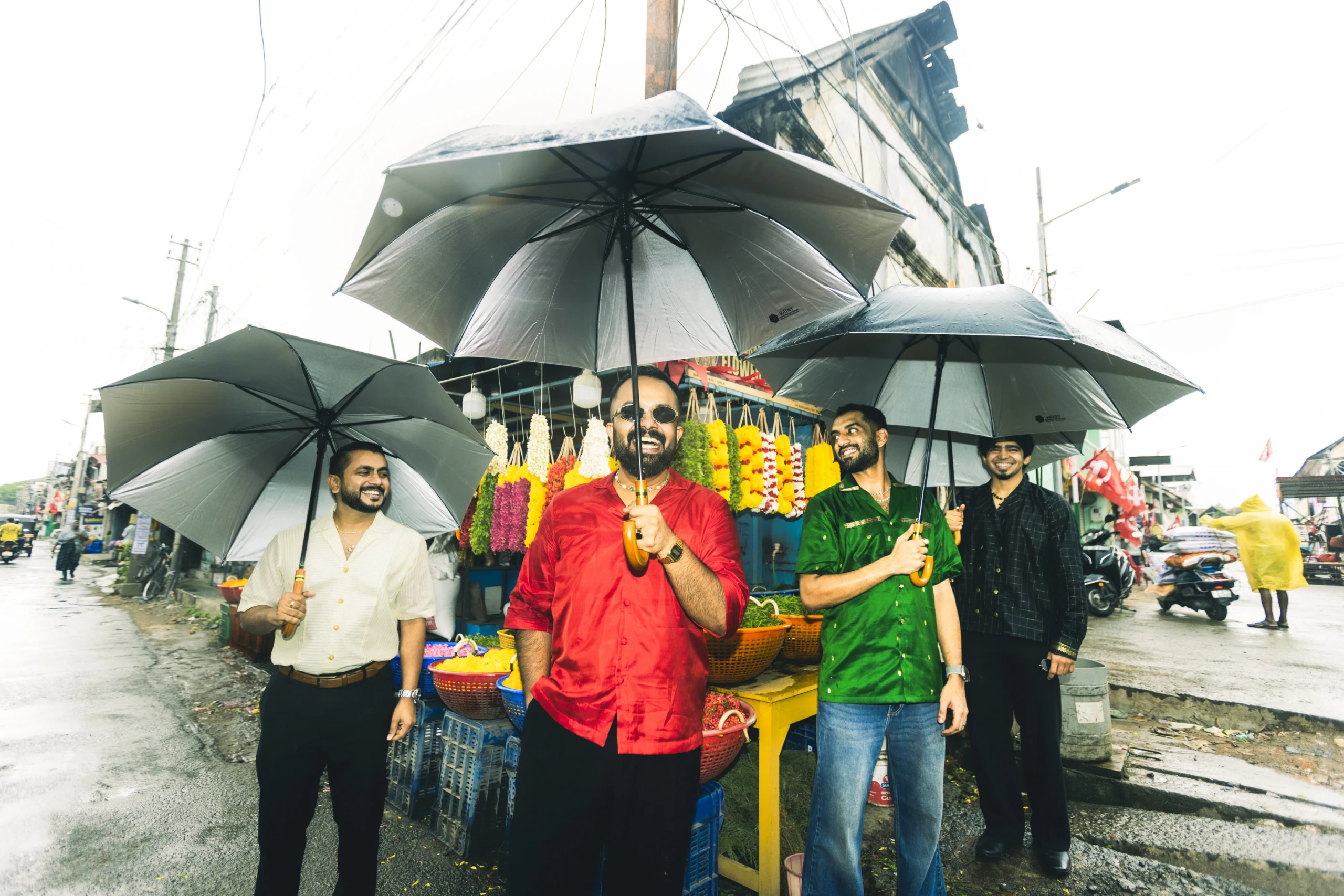
When Chai Met Toast did not make multilingual indie music feel universal by sanding away where it came from. The Kochi band made a more demanding choice: let each melody decide its language, carry Kerala into the songs and visuals, then trust listeners elsewhere to enter through the feeling.
That choice is now travelling in a very literal sense. In 2026, Billboard India reported a 22-stop Joy Rooms tour through Europe, the UK, North America, Australia and Dubai. Its scale matters, but it is not proof that language stopped mattering. It shows that a band can make local detail an invitation instead of a barrier.
Cover image: When Chai Met Toast via Billboard India
Key takeaways
- When Chai Met Toast formed in Kerala in 2016 and built its sound around English, Hindi, Tamil and Malayalam rather than one export-ready language.
- Their clearest songwriting rule is simple: “The melody dictates the language.”
- The 2026 Joy Rooms world tour was announced with 22 stops, but its rooms were deliberately kept intimate, at about 500–700 people.
- Dreamland, Baaton and “I’m Coming Home” show how regional detail can make an emotional idea clearer, not narrower.
- The lesson for independent artists: do not translate identity into a marketing deck. Build songs people can recognise before they understand every word.
Why regional Indian indie is travelling further without becoming generic
Where did When Chai Met Toast’s multilingual instinct begin?
When Chai Met Toast started as a meeting between vocalist Ashwin Gopakumar and guitarist-banjo player Achyuth Jaigopal, before becoming a four-piece with keyboardist-producer Palee Francis and drummer Pai Sailesh. Cosmopolitan India traces their roots to Kerala music circles, while The New Indian Express dates their first EP, Joy of Little Things, to 2017.
Their early sound was neither a folk-revival project nor a bid to imitate Western indie. It joined acoustic guitar, banjo, pop-scale hooks and lyrics that could move between languages. In a 2018 Indulge interview, the band described itself as Kerala musicians who sang in Hindi and English, with the occasional Tamil line, while still making music instinctively rather than by a fixed rulebook.
The name is a useful clue, but not a complete explanation. “Chai” and “toast” have often been read as Indian and English folk influences meeting each other. The more important work happens in the songs: a language shift is allowed to change the rhythm, the vowel sounds, the memories available to a lyric and the person who might carry a melody.
Kredl’s reading: their multilingualism works because it is structural, not decorative. A Tamil or Malayalam passage changes the musical shape of a song; it is not a regional sticker attached after the hook is finished.

Image: “Dreamland” artwork via Global Music Institute
Why does “the melody dictates the language” matter?
It matters because it reverses the usual growth question. Instead of asking which language will travel furthest, When Chai Met Toast asks what language lets the song land correctly. In a 2025 Global Music Institute interview, the band put the method plainly: “The melody dictates the language.” They also said they do not force-fit languages into songs.
That is a creative method with commercial consequences, not a commercial trick. It keeps a language from becoming a campaign variable. If an English line carries the lift of a chorus, it stays. If a Malayalam phrase gives the bridge its lived texture, the band looks for that voice. If Hindi gives a love song the right conversational warmth, it earns its place through the ear first.
The recent run of songs makes the method easier to hear. “Baaton” was introduced by the band as a love song built on English-Hindi interplay. “I’m Coming Home” includes a Tamil verse credited to M.S. Krsna. For “Dreamland,” the group worked with Job Kurian and brought in Malayalam alongside English and Hindi to make the song's Kerala setting feel specific rather than scenic.
The New Indian Express reported that “Dreamland” was released in August 2025 as the first single from Small Town, Big Love, Little Homes. The band described the song as being about home, wherever someone may be. That is the real translation: home becomes intelligible because the details are not vague.
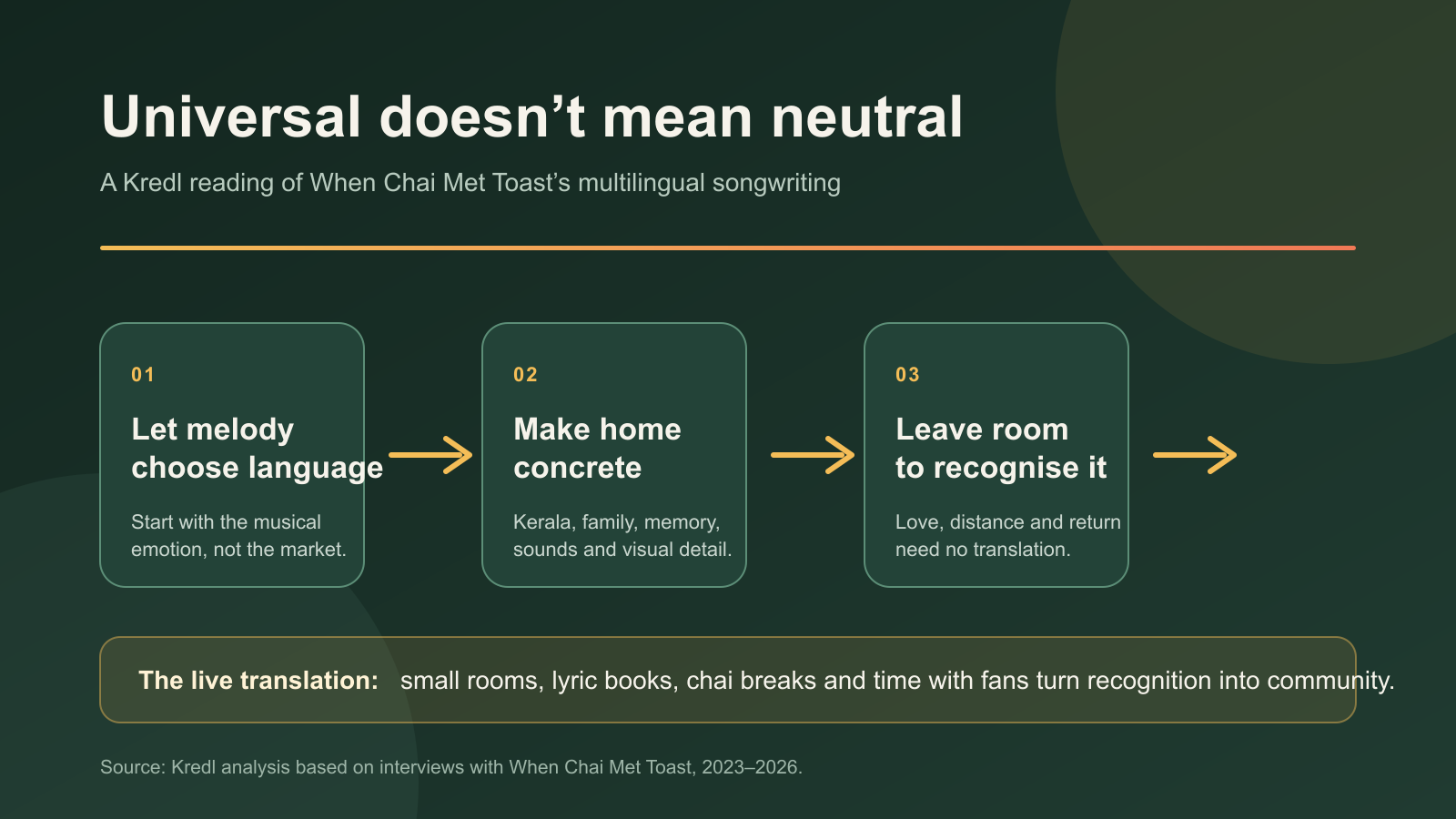
Visual: Kredl analysis based on interviews with When Chai Met Toast, 2023–2026.
How did Kerala make the band more accessible, not less?
Kerala gave When Chai Met Toast an emotional geography: monsoon rain, coconut palms, family kitchens, Malayalam lyricism and a community that remembers the floods of 2018. As Onmanorama documented, that experience later helped shape “Nee Aara.” The details do not require every listener to have lived in Kochi; they give the songs a point of view strong enough for someone elsewhere to recognise longing, distance or return.
“Nee Aara” showed the difference between using a language and writing from a moment. Onmanorama’s report explains that the band's first Malayalam song emerged after the Kerala floods. Gopakumar said writing a good Malayalam song was difficult; the group brought in lyricist Engandiyoor Chandrasekharan to help make it worthy of the moment. That caution is part of the point.
In other words, the song was not “Malayalam content.” It was a response to a shared local experience. The band could make it with Western instruments and a folk touch, but it did not pretend that a single English-language gloss would carry the same history.
This approach can speak to listeners abroad without reducing diaspora audiences to a metric. That is an inference, not a measured causal claim. Still, it explains what code-switching can offer: the pleasure of hearing a private register appear in a public room, alongside an English or Hindi line that keeps the song open to somebody else.
How Vengayo is taking Tamil alternative music beyond its home scene
What turned language choices into a live community?
When Chai Met Toast’s live design translates the music’s warmth into practical rituals. Billboard India reported that the 2026 Joy Rooms tour aimed to put 500–700 people in a room that felt like home, across 22 stops. The band added lyric books, friendship-bracelet making, signed merchandise and a chai break rather than treating the setlist as the whole experience.
Those choices are modest on purpose. A lyric booklet gives a listener an entry point even when they do not know every word. A chai break turns an interval into a shared cultural cue. Meeting fans after the set lets the band turn the word “community” into something more tangible than comment activity.
Their approach also explains why the music does not need to become language-neutral as the rooms get more international. Rolling Stone India reported in October 2026 that the band had completed the Europe and North America legs of the tour, with Australia and Dubai dates still ahead at the time. Their next India run was discussed as a future plan, not a confirmed completed tour.
The band’s live lesson is useful for any independent act: accessibility is often an act of hospitality, not simplification. A well-explained room, a printed lyric, a familiar ritual or a patient introduction can do more than swapping out the most specific part of a song.
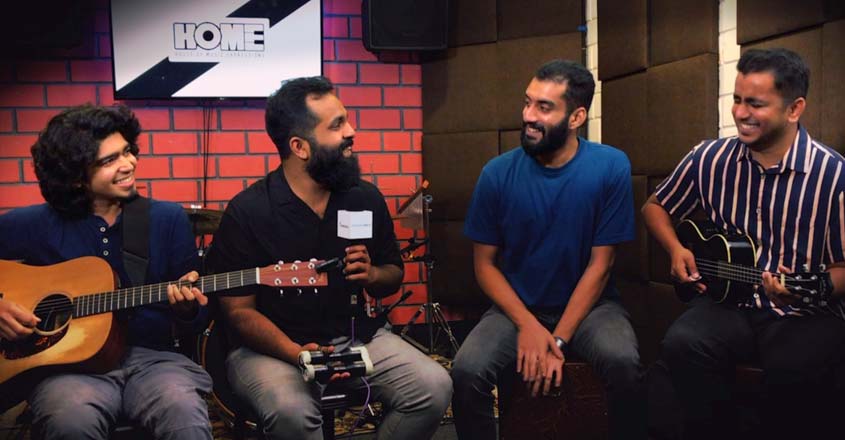
Image: When Chai Met Toast via Onmanorama
Why Indian concerts are becoming experiences, not just performances
What can independent artists learn from their multilingual career?
When Chai Met Toast offers a more useful model than “add another language.” Their career suggests that multilingual work travels when it starts with a real creative reason, then supports that reason with clear visual and live-world choices. The following moves are transferable, even if the band’s exact sound is not.
1. Let the song choose its strongest voice
Do not select a language only because a playlist, city or trend suggests it. Write the melody, test the emotional rhythm and ask which voice makes the line feel less interchangeable. A listener can hear when a language belongs to the architecture of a song.
2. Treat collaborators as cultural co-authors
Job Kurian's role on “Dreamland” mattered because the band wanted a Kerala-rooted voice for a Malayalam section. Bring in collaborators early enough for them to change the work, rather than hiring them to add a regional stamp after the recording is settled.
3. Make the visual world carry the same home
The new album cycle uses Kerala's palms, rain, paddy fields, colours and family materials such as repurposed saris. A coherent visual world helps a listener understand the song before they read a lyric translation. It should deepen the music, not become a tourism brochure.
4. Give unfamiliar listeners a way into the room
Lyric sheets, short song introductions and intentional post-show moments make a live set easier to enter. That is particularly valuable when songs switch languages. The goal is not to explain every line; it is to make attention feel welcome.
5. Keep specificity when the audience grows
Spotify selected When Chai Met Toast for its India RADAR launch cohort in 2020, and the band later moved through UK, US and other international dates. Scale did not require one universal language. It required a recognisable point of view and a live show people wanted to share.
How musicians can find collaborators and make creative partnerships work in India
A language, city and collaborator are part of your artist story. Build a credible home for the people and credits behind your music on kredl →
Is When Chai Met Toast still active in 2026?
Yes. As of 11 October 2026, the band was in the middle of the Joy Rooms international cycle and introducing music from Small Town, Big Love, Little Homes. The status needs care: Billboard India described the run as 22 stops between August and November, while Rolling Stone India reported that Europe and North America were complete and Australia and Dubai were still upcoming.
That distinction matters because an artist story should not turn announced dates into completed achievements. The verified through-line is stronger anyway: a Kerala four-piece formed in 2016 has sustained its lineup, built an international touring practice, and continued releasing songs whose language changes with the musical feeling rather than a fixed formula.
Frequently Asked Questions
What languages does When Chai Met Toast sing in?
When Chai Met Toast works mainly across English, Hindi, Tamil and Malayalam. The exact mix varies by song. Their 2025 releases make the approach especially clear: “Baaton” uses English and Hindi, while “I’m Coming Home” includes a Tamil verse and “Dreamland” brings Malayalam into its Kerala-rooted world.
What is the meaning of “the melody dictates the language”?
It is the band’s description of its songwriting process: language should follow the melody and emotional need of a song, not a market plan. In a 2025 Global Music Institute interview, the group said it does not force-fit languages, which helps explain why its switches feel organic rather than promotional.
What is the Joy Rooms tour?
The Joy Rooms tour is When Chai Met Toast’s 2026 international run. Billboard India reported 22 stops from August to November across Europe, the UK, North America, Australia and Dubai. Its smaller 500–700-capacity rooms included lyric books, friendship bracelets, a chai break and time for fan interaction after shows.
Did When Chai Met Toast release a Malayalam song about the Kerala floods?
Yes. “Nee Aara” was the band’s first Malayalam song and grew from the aftermath of Kerala's 2018 floods. Onmanorama reported that the group worked with lyricist Engandiyoor Chandrasekharan, combining a folk touch with Western instruments rather than treating the event as a generic inspiration.
Can a regional-language artist reach listeners outside India?
Yes, but no language guarantees reach on its own. When Chai Met Toast’s 22-stop 2026 tour shows an audience can travel with culturally specific work. The transferable lesson is to pair a clear point of view with accessible entry points—songs, visuals, context and live experiences—rather than flattening the work for strangers.
The more local the detail, the wider the invitation
When Chai Met Toast made multilingual indie music feel universal by refusing the false choice between home and reach. Their songs do not ask a Kerala reference to behave like an export product. They give it melody, collaborators, visual language and a room full of people willing to meet it halfway.
That is not a formula for every artist. It is a more demanding question: what part of your real world would disappear if you made your work easier to translate? Start there. The right audience may recognise itself sooner than you expect.
The complete guide to building an independent music career in India
Reporting and analysis by the Kredl editorial team. Artist quotes, dates and current-tour status were checked against the linked primary and editorial sources on 11 October 2026.
Sources
Sources and image credits
- Spotify Newsroom, “36 New Artists Around the World That Are on Spotify Radar”, 9 March 2020; retrieved 11 October 2026.
- Cosmopolitan India, “Strike a Chord: In Conversation with Multilingual Indie-folk Band When Chai Met Toast”, 30 January 2024; retrieved 11 October 2026.
- Indulge, “GoMAD: When Chai Met Toast on the music that makes them smile”, 22 January 2018; retrieved 11 October 2026.
- Onmanorama, “With an ode to Kerala floods, Chai Met Toast says good morning to Malayalam”, 10 December 2020; retrieved 11 October 2026.
- Global Music Institute, “Small Town, Big Love, Little Homes: In Conversation with When Chai Met Toast”, 2025; retrieved 11 October 2026.
- The New Indian Express, “When Chai Met Toast's new song is a sonic stream of Kerala's soul”, 29 August 2025; retrieved 11 October 2026.
- When Chai Met Toast, “Baaton, Out Now!”, 8 October 2025; retrieved 11 October 2026.
- When Chai Met Toast, “We are coming back home!”, 4 December 2025; retrieved 11 October 2026.
- Billboard India, “On The Road: When Chai Met Toast's Joy Rooms Tour”, 14 July 2026; retrieved 11 October 2026.
- Rolling Stone India, “When Chai Met Toast on Sparking Joy on Their World Tour”, 6 October 2026; retrieved 11 October 2026.
- Cover image: When Chai Met Toast via Billboard India. “Dreamland” artwork via Global Music Institute. Rehearsal photograph via Onmanorama.