How Mame Khan Took Manganiyar Folk Music Beyond Rajasthan
Mame Khan's journey from Satto village performances to national stages shows how folk artists can keep a local musical identity while building wider, well-run opportunities.
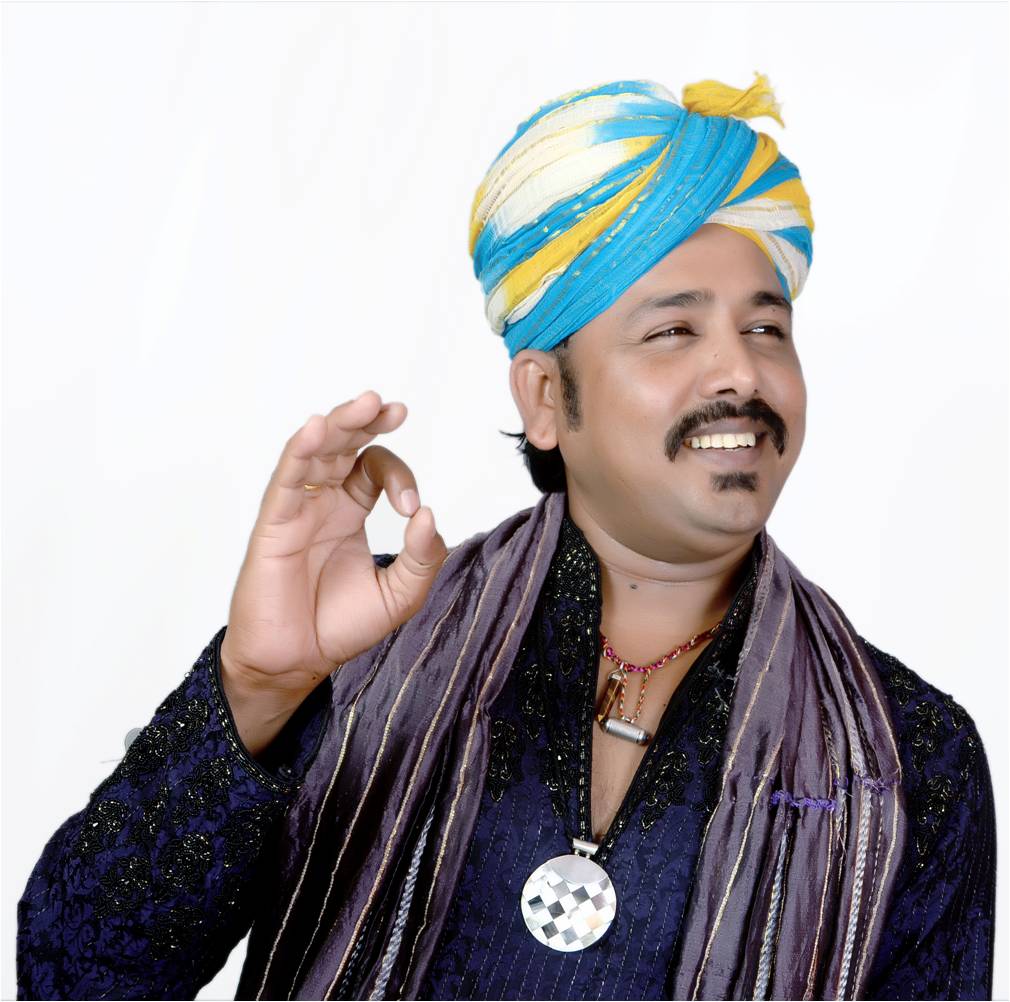
Cover photo: Mame Khan Manganiyar, by LillyMusic, via Wikimedia Commons, licensed CC BY-SA 4.0. Cropped for the cover.
Mame Khan's career is a useful model for an artist whose strongest material is rooted in a specific place. He did not reach wider rooms by making Manganiyar music anonymous. He carried songs, vocal texture and performance knowledge from Satto, near Jaisalmer, into recordings, film work and major stages. For an emerging folk or regional-language artist, the lesson is to make the roots legible, then make the professional setup around them easy to work with.
Key takeaways
- Mame Khan began in Satto, near Jaisalmer, inside the Manganiyar music tradition. The Indian Express
- A local repertoire can travel when an artist protects its voice while adapting the format for new rooms.
- Collaboration can open a door, but a clear live set, credits and contact person help an opportunity turn into repeat work.
- Khan walked Cannes in 2022 as the first Indian folk artist to do so. The Indian Express
What did Mame Khan build from?
Mame Khan's starting point was Satto village near Jaisalmer and the Manganiyar tradition, not a metropolitan music-school pipeline. In a 2021 interview, he told The Indian Express that his career began there, where he sang Manganiyar folk music; the tradition's Jangra repertoire includes songs for occasions such as weddings and births. That is why his work feels grounded: the material already had social use before it entered the commercial music system. The Indian Express, “The word commercialisation can never be attached to music”
For musicians, the useful question is not “How do I make my sound more universal?” It is “Which part of my sound would disappear if someone else made this track?” The answer can be a language, instrument, rhythm, repertoire or performance ritual. Name it accurately in the artist bio, song notes and show brief. It gives listeners, collaborators and bookers a real reason to remember the work.
Regional identity works best as an operating system, not decoration. It should influence the songs, the live arrangement, the people credited and the way a show is described—not merely the outfit in a promotional photo.
How did community performance become a wider career?
Before mainstream visibility, Khan performed Manganiyar music at local festivals and traditional events connected to his community's patrons, including weddings and childbirth ceremonies, according to The Indian Express' 2022 profile. Those settings built practical skills: reading a room, carrying a repertoire, working with other musicians and performing for audiences that are not there to validate a brand. The Indian Express, “How Mame Khan ... became a favourite with Bollywood composers”
That matters because early work is often treated as a waiting room for “real” stages. It isn't. A wedding, community function, café, school event or local festival can be paid rehearsal if you document what worked. Keep notes after every show: strongest songs, set length, stage inputs, who introduced you, and whether the organiser would book the format again.
For a practical system around those notes, our technical-rider and stage-plot guide explains how to turn a repeatable set into a clear advance for a crew.
What changed when the music entered new formats?
Khan's breakthrough did not require leaving folk music behind. Reporting by The Indian Express traces a move from community performance to work that introduced his voice to broader audiences, including the 2012 Coke Studio @ MTV song “Chaudhary” with Amit Trivedi and film work such as “Nakhralo” in Dasvi (2022). The common thread is a recognisable vocal identity placed in formats that new listeners could find. The Indian Express, “Jadd jodti hai, todti nahi”
Don't copy the format blindly. A folk ensemble does not need to become a pop act to collaborate well. It does need a concise description of its sound, a representative live video, a clean credit list and a recording workflow that respects the people making the music. That preparation gives a producer or programmer something concrete to respond to.
The opportunity is not “fusion” for its own sake. It is translation: deciding which elements must stay intact, which elements can change for a new arrangement, and who has the authority to make that decision.
Before sessions with new collaborators, use a song split sheet to record writers, composers and agreed shares while everyone is still in agreement.
What does the Cannes moment actually teach artists?
In 2022, Khan walked the Cannes red carpet as part of India's delegation, an appearance reported as the first by an Indian folk artist. The milestone is important, but it is not a playbook for chasing one international invitation. Its career lesson is that a long local practice can be ready when a national or global opportunity appears—if the artist has material, collaborators and a dependable professional point of contact. The Indian Express, 2022
In a 2025 PTI interview, Khan also argued that artists now need to understand social media, distribution and music labels alongside their art. That's not a demand for every artist to become an expert in every system. It is a reminder to know what is being released, where it appears, who controls the files and who can answer a booking or rights question. PTI via ThePrint, “Our generation must understand being just an artiste not enough today”
A practical plan for folk and regional artists
Start by making one useful booking pack. Include an 80–120 word bio, two strong live clips, a concise repertoire or show-format note, high-resolution photos with credits, contact details and a single technical document. If a festival programmer has to scroll through several social accounts to understand the offer, the pack is not ready.
Then build a small circle of compatible collaborators: an instrumentalist who knows the repertoire, a recording engineer who can capture it without flattening it, and a manager or producer who can keep offers and credits organised. Choose rooms that suit the live format rather than accepting every opportunity. The goal is repeatable work, not a rushed appearance that gives the music no space.
For places where regional work is already finding audiences, see our guide to India's regional indie music scene. Kredl can help you present your work, collaborators and verified credits in one professional profile as you build those relationships.
Frequently Asked Questions
Who is Mame Khan?
Mame Khan is a Rajasthani folk singer associated with the Manganiyar tradition and Satto village near Jaisalmer. The Indian Express reported that he began his musical career in Satto and that he became widely known through work that included the 2012 Coke Studio @ MTV collaboration “Chaudhary.” The Indian Express
Why is Mame Khan's career relevant to independent artists?
His path shows that a deeply local repertoire can travel without losing its identity. The 2022 Cannes appearance came after years of community performance, recordings and collaborations—not as a substitute for them. Artists can apply that lesson by strengthening the music, the live format and the professional records together. The Indian Express
Did Mame Khan walk the Cannes red carpet?
Yes. The Indian Express reported that Khan walked the Cannes red carpet in 2022 as part of the Indian delegation, and described him as the first Indian folk artist to do so. It is best understood as a career milestone, not evidence that any particular festival strategy guarantees international visibility. The Indian Express
What should a folk artist put in a booking pack?
Use a short bio, representative live video, clear contact, photo credits, a simple show-format description and an up-to-date technical rider. The pack should explain the performance in under two minutes of a programmer's time, then make the production requirements easy for the event team to confirm.
Sources, methodology and image credits
This profile uses reported interviews and arts journalism. The operational lessons are Kredl's editorial interpretation, not promises of festival bookings, label deals, income or international attention.
- The Indian Express, “The word commercialisation can never be attached to music”, published 2021, retrieved 2026-10-21.
- The Indian Express, “How Mame Khan ... became a favourite with Bollywood composers”, published 2022, retrieved 2026-10-21.
- The Indian Express, “Jadd jodti hai, todti nahi”, published 2024, retrieved 2026-10-21.
- PTI via ThePrint, “Our generation must understand being just an artiste not enough today”, published 2025, retrieved 2026-10-21.
- Cover image: LillyMusic, “Mame Khan”, CC BY-SA 4.0, cropped for the cover.