How Taba Chake Built a Nyishi Indie Music Career
Taba Chake’s path from Arunachal Pradesh to India’s indie stages shows why language, place and patient live work can become an artist’s advantage.
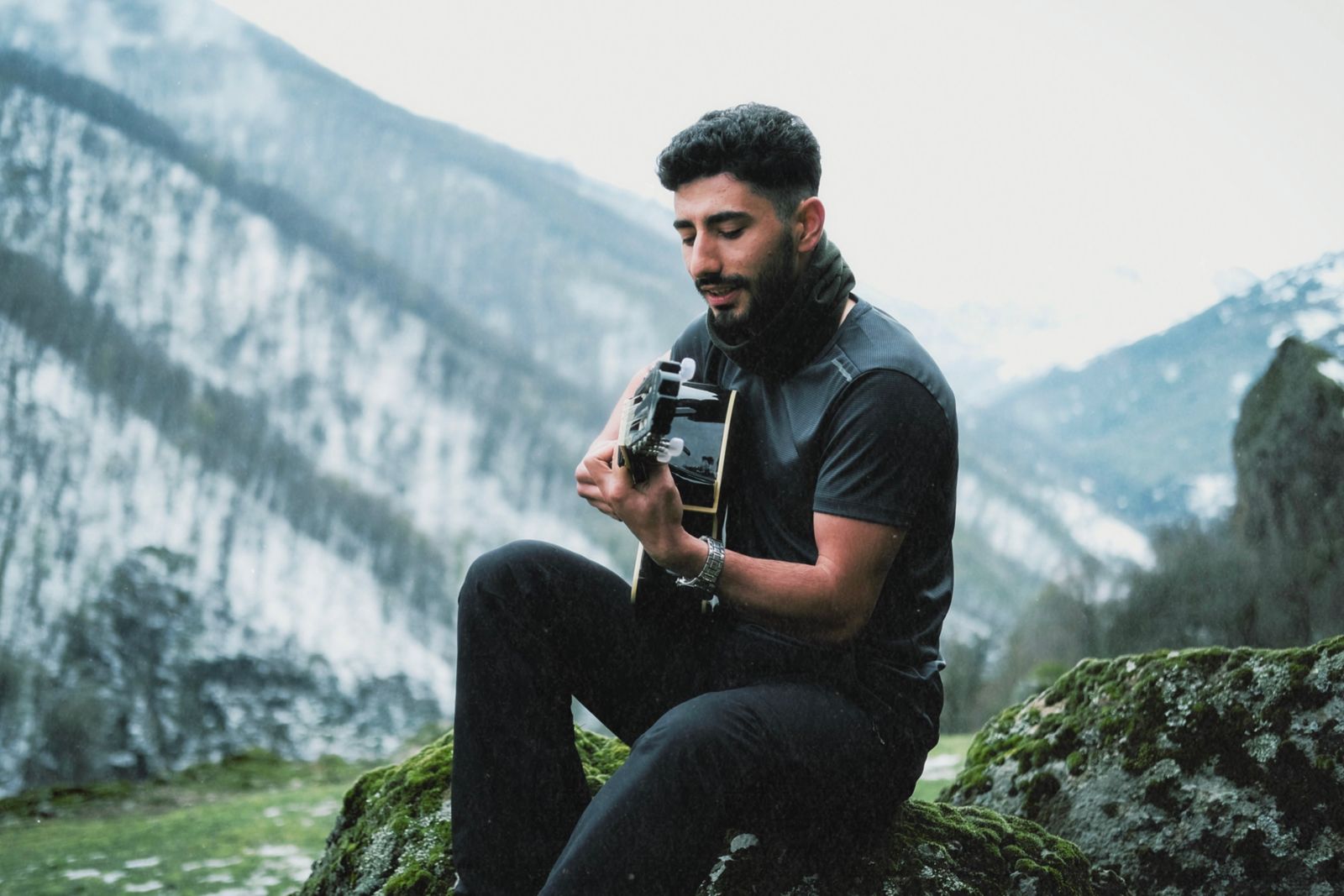
Cover photo: Leyla Qəhrəmanova via Pexels, used under the Pexels License. It is an illustrative licensed photograph, not an image of Taba Chake.
Taba Chake’s career offers a useful answer to a familiar artist question: should you change your sound or language to fit the biggest market? His work points in the opposite direction. The Arunachal Pradesh singer-songwriter built an audience by writing guitar-led songs that carry Nyishi, Hindi and English, while letting the places he comes from remain audible. For artists, the lesson is not that every regional language will travel by itself. It is that a clear creative centre gives audiences, venues and collaborators something real to remember.
Key takeaways
- Taba Chake has used Nyishi alongside Hindi and English instead of treating language as a barrier. Zee Zest
- His path included bands, a solo restart and long-term live work—not one sudden viral shortcut. The Week
- Regional identity works best when it is carried through songs, credits, performances and relationships, rather than used as a marketing label.
- Emerging artists can borrow the process: identify a specific creative source, finish a small body of work and make it easy for the right rooms to understand it.
How regional language is widening India’s independent-music audience
What did Taba Chake build before the national attention?
Taba Chake did not begin with a ready-made industry route. In a 2025 interview with The Week, he described leaving Arunachal Pradesh to pursue music and moving through several Indian cities before Bombay. Earlier accounts describe his progression through bands and a later solo practice. The durable part of the story is the time spent learning what his voice, guitar work and writing could hold before a wider audience arrived. The Week Roots and Leisure
That is a more practical model than waiting for a “discovery” moment. A singer-songwriter can use early gigs and small releases to test three things: which songs survive a quiet room, what players actually add to the arrangement, and what people recall after the set. These are not glamorous tests. They are the material of a live career.
For an independent artist, an early scene is not merely a launchpad. It is a rehearsal system. A student gig, listening room or local festival can reveal whether the song communicates before production scale or social proof arrives.
Why did Nyishi become a strength rather than a limitation?
Taba Chake has spoken about singing in Nyishi, his mother tongue, alongside other languages. Zee Zest reported that his 2019 album Bombay Dreams used English, Hindi and Nyishi, and that he described a long journey from smaller early audiences to a far larger home-state festival crowd. The core career choice was not simply multilingualism; it was allowing his source culture to remain part of the song. Zee Zest
That matters for artists who work in Khasi, Mizo, Tamil, Malayalam, Punjabi, Bengali, Marathi, Assamese, Kashmiri or any other language outside an assumed mainstream. Do not add a language because the market says “regional” is trending. Use it when it improves the emotional precision of the lyric, melody or story. Then give a new listener enough of an entry point: a translation in the description, a clear performance clip, or a short note about the song.
Our guide to regional indie music in India goes deeper on turning that clarity into useful metadata and release context.
How did live performance turn songs into a career?
The 2023 Zee Zest interview contrasts a 2014 Ziro Music Festival set for a handful of listeners with a later performance where thousands responded to his work. It also places his solo journey over roughly a decade. That contrast is valuable because it treats touring as accumulated trust, not as a reward that appears after one successful track. Zee Zest
For an emerging act, a live strategy should be specific. Keep one reliable 20-minute set and one longer set. Record a performance where the sound is clear. List the venue, city, musicians and organiser accurately. Then improve the next pitch with evidence from the last show: a clean video, a good audience photo, a credible credit and a short description of who the performance suits.
This is where an artist profile becomes practical rather than decorative. Promoters are not only assessing taste. They need to picture the act in a time slot, on a stage and in front of their audience. The advice in our college-festival performance guide can help turn that evidence into a respectful, useful pitch.
Language can make an artist memorable, but a repeatable live set makes that memory bookable. The two should develop together: the song creates recognition; the performance gives a promoter a reason to take the next call.
What did the move into film work change—and what did it not change?
Taba Chake told The Arunachal Times that he made his playback-singing debut with Kadak Singh in 2023 after releasing Bombay Dreams. The same interview frames it as an experience he had wanted to earn, not a replacement for his existing artist identity. This is an important distinction for musicians considering film, advertising or composition work: an opportunity can expand the audience without requiring the original project to disappear. The Arunachal Times
The useful move is to prepare before the call arrives. Keep alternate versions, stems and credits organised. Be able to explain who owns the master and composition. Be clear about the role you are taking: artist, writer, producer, performer or composer. That clarity protects relationships and helps a good opportunity lead to the right next one.
If you are working with writers, producers or featured performers, start with the habits in our song split-sheet guide. Credits and agreements are not administrative leftovers; they are part of a career record.
What can an Indian independent artist use from this story?
Taba Chake’s path suggests a simple sequence: keep a genuine source of material close, give it time to become a body of songs, and bring that body into rooms where people can experience it. His interviews link his work to Arunachal Pradesh, multiple languages and a long run of writing and performing. The lesson is not to imitate an aesthetic. It is to make your own artistic origin easier to hear and easier to work with. The Week
Start modestly. Choose one song with a specific point of view. Finish a live version. Credit everyone who helped make it. Build a page that gives someone the song, the performance clip and one clean contact route. Then take that material to people who book, record, photograph or support the kind of music you want to make.
Kredl is built for artists and the people who help their work move forward. Use your profile to make your music, collaborators and credits easier for the next right connection to understand.
Frequently Asked Questions
Who is Taba Chake?
Taba Chake is an indie singer-songwriter from Arunachal Pradesh whose work uses Nyishi, Hindi and English. Zee Zest reported that his Bombay Dreams album combined all three languages, making his work a useful reference for artists considering how local language and broad accessibility can coexist. Zee Zest
Does an artist need to sing in Hindi or English to reach listeners across India?
No. Taba Chake’s work shows that a listener can connect through melody, voice, performance and context even when every lyric is not familiar. The practical requirement is to make the entry point easy: add a translation, a clear description and a well-recorded performance link rather than assuming a new listener will do all the work.
What can emerging artists learn from Taba Chake’s live path?
Zee Zest described the distance between his small 2014 Ziro Music Festival audience and a later large festival response. The lesson is to keep improving the performance evidence over time: a dependable set, clear video, accurate credits and a pitch that lets a promoter understand where the act fits. Zee Zest
Can film work coexist with an independent artist project?
Yes, when the role and rights are clear. In 2023, Taba Chake described his Kadak Singh playback debut as an opportunity he had worked toward after developing his independent work. Artists should document credits, ownership and expectations before treating a commission as part of their long-term catalogue. The Arunachal Times
Sources, methodology and image credits
This profile uses artist interviews and established Indian publications for career facts. The practical lessons are Kredl’s editorial interpretation; they are not promises of income, streams, bookings or career outcomes.
- The Week, “How Taba Chake weaves Arunachal roots into global indie-folk hits”, published 2025, retrieved 2026-10-19.
- Zee Zest, “I Write Songs In My Own Language Because I Want To Inspire My People”, published 2023, updated 2024, retrieved 2026-10-19.
- The Arunachal Times, “A tête-à-tête with Taba Chake”, published 2023, retrieved 2026-10-19.
- Roots and Leisure, “Meet Arunachal Pradesh’s Upcoming Indie Musician — Taba Chake”, published 2019, retrieved 2026-10-19.
- Cover image: Leyla Qəhrəmanova, “Man Sitting on the Rock in a Mountain Valley and Playing the Guitar”, Pexels License. It is an illustrative licensed photograph, not an image of Taba Chake.