How Prabh Deep Built a Punjabi Hip-Hop Career from Delhi
Prabh Deep’s path from Delhi open mics to Punjabi hip-hop shows how local writing, patient live work and music-business literacy can build an independent career.
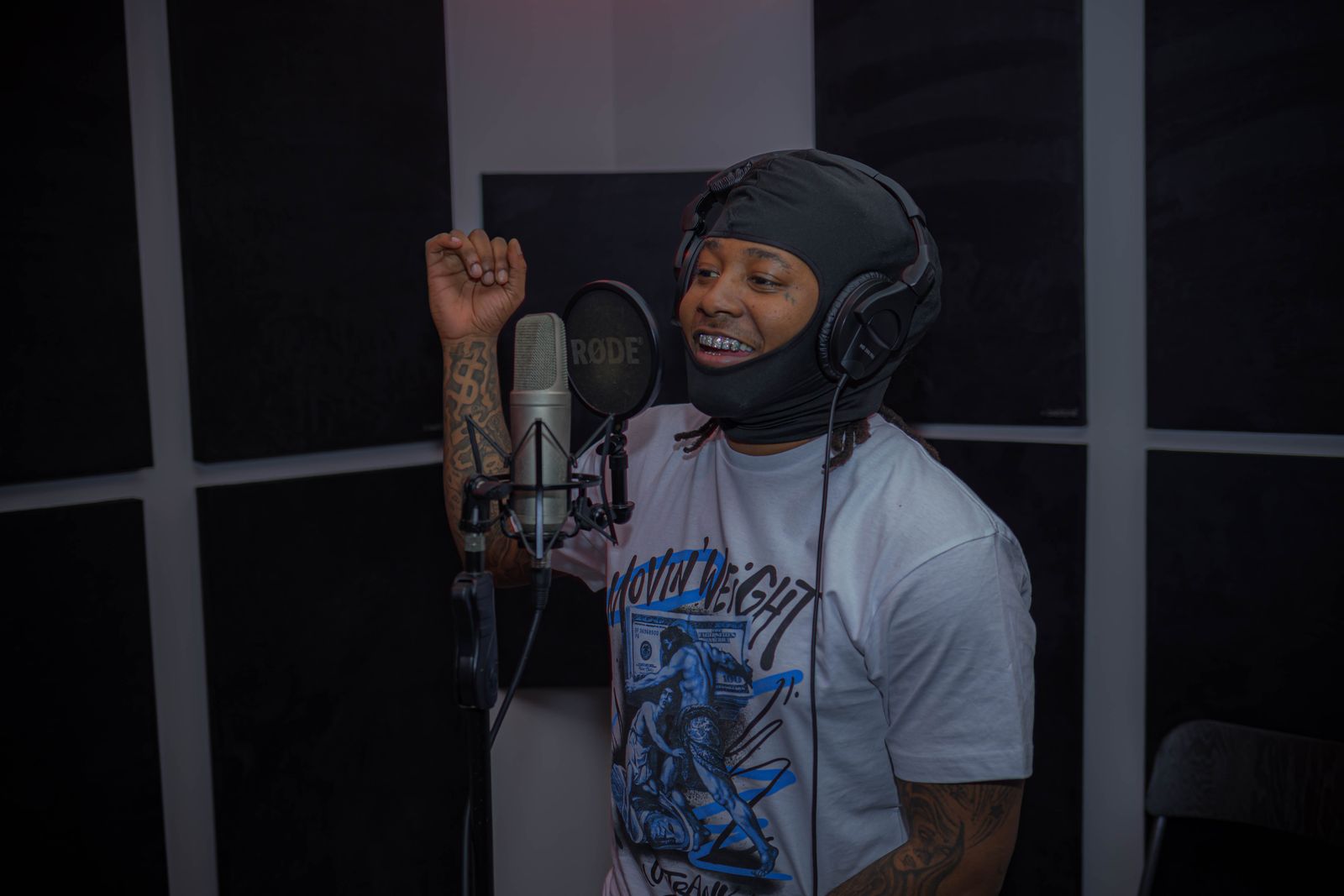
Cover photo: Pexels, used under the Pexels License. It is an illustrative licensed photograph, not an image of Prabh Deep.
Prabh Deep’s career is useful because it did not start with a clean industry entry point. He spent years at Delhi open mics, developed material around the life and pressures of his neighbourhood, and made Punjabi central to a sound that could not be confused with a copy of US rap. For an emerging rapper, the lesson is not to reproduce his voice. It is to build from an experience you can describe precisely, then give that work enough live repetition to become undeniable.
Key takeaways
- Prabh Deep moved from producing ambitions into rap through people and open-mic culture in Delhi. The Indian Express
- His early work connected Punjabi writing, Sikh identity and neighbourhood stories rather than using language as a surface-level marker. The Indian Express
- Live rooms and collaborators gave the project time to develop before wider attention.
- Knowing the business of music matters alongside writing and performance. Rolling Stone India
What came before the first major record?
Prabh Deep told The Indian Express that he initially hoped to make it as a producer, before rappers and people around Delhi hip-hop introduced him to open mics and events. The report describes more than four years of writing and performing while he built material. That is a useful corrective to the idea that a rapper’s career begins on the day a song takes off. The Indian Express
Open mics are not only promotional stops. They are testing grounds. A verse that reads well alone can land differently in front of a room. Artists learn pacing, breath, crowd communication and which lines remain with people after the set. Record the set when permitted, then use the evidence to improve the next version rather than uploading every unfinished idea.
The point of a local scene is not to wait for permission from it. It is to gather specific feedback: which collaborator sharpens the song, which room understands it, and what part of the live set needs work.
Why did Punjabi and local detail matter?
The Indian Express described Prabh Deep’s 2017 album Class-Sikh as a 12-track record rapped largely in Punjabi, with songs that addressed Sikh identity and his experience of growing up in Delhi. That choice gave the music a point of view beyond generic rap references. It also demonstrates that language can carry texture, humour and context even when a listener does not understand every line immediately. The Indian Express
For a rapper, local writing is not a requirement to report on hardship. It can be a phrase, rhythm, family argument, bus route, sports ground or changing city block that only you can render convincingly. The important test is whether the detail changes the song’s perspective. If it could be swapped for any other place without changing the verse, keep digging.
For a wider look at language-led work, read our guide to regional indie music in India.
How did live work and experimentation keep the project moving?
Rolling Stone India reported in 2023 that Prabh Deep planned a set at Delhi’s Piano Man that mixed expected and unexpected sounds, including full use of auto-tune. The lesson is not that every artist should change genre or add an effect. It is that a live show can be a place to test a new arrangement in public, while still giving the audience a coherent experience. Rolling Stone India
Keep a show file that is separate from the streaming release. Note the track order, playback needs, guest cues and lighting moments. Then update your technical rider when the material changes. Our technical-rider guide explains how to turn that show file into an advance a venue can actually use.
An artist’s live version is not merely marketing for the recorded song. It is a second creative format, with its own arrangement, staffing and production decisions. Treat it that way and the show becomes easier to book repeatedly.
What does music-business literacy change?
In a 2019 Rolling Stone India podcast, Prabh Deep put the question directly: if an artist does not learn the business of music, how will they survive? The point is practical. A strong verse cannot replace knowing who owns the master, how a producer is credited, what a promoter has agreed to provide or when payment is due. Rolling Stone India
Start small: document every contributor, agree song splits before release, store invoices and keep the confirmed show terms in one place. You do not need to become every specialist on day one. You do need to know which question to ask and who is responsible for answering it. Our song split-sheet guide is a practical place to begin.
Frequently Asked Questions
Who is Prabh Deep?
Prabh Deep is a Delhi hip-hop artist whose early work was associated with Punjabi rap, local storytelling and Sikh identity. The Indian Express reported that his 2017 album Class-Sikh included 12 tracks, rapped largely in Punjabi. The Indian Express
How did Prabh Deep start performing?
He told The Indian Express that he entered rap through people in Delhi’s hip-hop culture and spent more than four years at open mics and events while developing his material. The takeaway is to treat early stages as practice and relationship-building, not just exposure. The Indian Express
Can a rapper reach listeners while writing in a regional language?
Yes, but the language should deepen the song rather than become a gimmick. Prabh Deep’s work shows how Punjabi can carry a specific cultural and personal perspective. Give unfamiliar listeners context through performance clips, translations and precise song descriptions.
What music-business basics should an independent rapper learn?
Start with crediting collaborators, documenting splits, confirming performance terms and understanding the difference between the composition and sound recording. Prabh Deep’s 2019 Rolling Stone India conversation argues that business knowledge is part of an artist’s ability to sustain the work. Rolling Stone India
Sources, methodology and image credits
This profile relies on established music journalism and direct artist interviews. The practical lessons are Kredl’s editorial interpretation, not promises of income, audience growth, bookings or career outcomes.
- The Indian Express, “Good Kid in a Mad City: Meet Prabh Deep”, published 2017, retrieved 2026-10-20.
- Rolling Stone India, “If You Don’t Learn the Business of Music, How Will You Survive as an Artist?”, published 2019, retrieved 2026-10-20.
- Rolling Stone India, “Prabh Deep’s Piano Man Gig”, published 2023, retrieved 2026-10-20.
- Cover image: Pexels, “Smiling Man in Balaclava in Recording Studio”, Pexels License. It is an illustrative licensed photograph, not an image of Prabh Deep.