
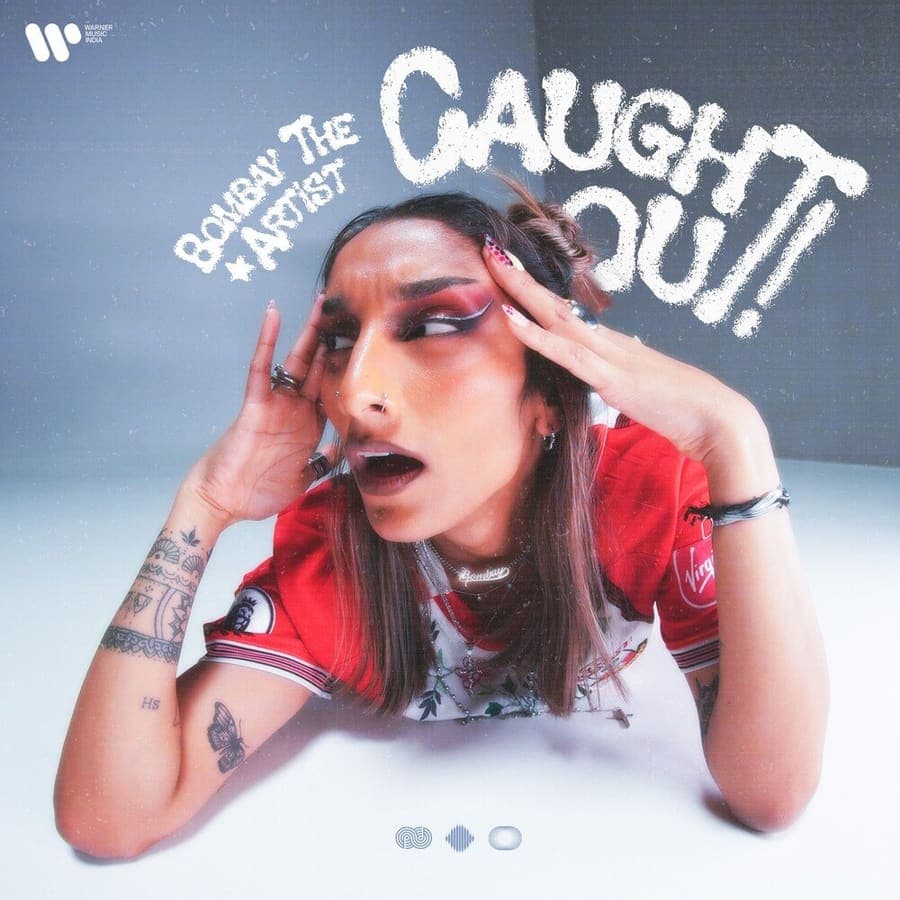
Photo: MusiCulture
Preeti Singhania moved to Mumbai in June 2019 to become an actor. It didn't work. She faced rejection and language barriers in an industry that wasn't built for someone with her specific background — British-Indian, raised in South England, Punjabi-Sikh household. What changed her direction wasn't a casting director. It was a Dua Lipa concert she happened to attend. "The idea that I could sing and perform like her, for Indians, in India — that changed everything," she's said.
Six years later, performing as Bombay The Artist, she's crossed half a million monthly Spotify listeners, built a genuinely distinct sound fusing Punjabi folk with drum-and-bass and electronic production, and landed on Rolling Stone India's Future 25. This is how a rejected actor found the career that was actually hers.
Key takeaways
- Preeti Singhania (Bombay The Artist) moved from South England to Mumbai in June 2019 originally to pursue acting, before pivoting to music after attending a Dua Lipa concert
- She grew up in a household where only Gurbani, Kirtan, and Punjabi folk were permitted — no Western pop — and now blends those roots with drum-and-bass, hip-hop, and contemporary pop production
- Her 2021 track "Raaha," a Partition-themed lo-fi Punjabi song inspired by her grandmother's stories, marked an early creative turning point
- She's crossed over 500,000 monthly Spotify listeners as of her 2025 Rolling Stone India Future 25 profile, with placements including "Vekh Sohneyaa" on Amazon Prime's "Call Me Bae" soundtrack
- She identifies as "a storyteller more than a singer," writes primarily for personal processing, and won't include real people in her lyrics without their consent
Discover independent artists building genre-blending careers. kredl →
The Starting Point: A Household of Gurbani and Kirtan
Bombay The Artist grew up in South England in a Punjabi-Sikh household where Western pop simply wasn't part of the soundtrack — Gurbani, Kirtan, and Punjabi folk were what she heard growing up instead. That constraint shaped her ear in a way that's still audible in her music today: her most distinctive tracks pull directly from Surinder Kaur, Gurdas Maan, Amar Singh Chamkila, and Nusrat Fateh Ali Khan, alongside contemporary influences like Lana Del Rey, Tyler the Creator, Rihanna, and — on the Indian side — Amit Trivedi and Javed Akhtar.
In June 2019, she moved to Mumbai chasing an acting career, not a music one. It didn't go the way she planned. She faced rejection and language barriers in an industry not built around her particular background, and by her own account, the move became less about a career plan and more about self-discovery: "It was like a Farhan Akhtar movie," she's said. "I was finding out who I am."
The Turning Point: A Dua Lipa Concert
The pivot from acting to music came from an unplanned source. Attending a Dua Lipa concert in Mumbai, Bombay The Artist had a realization that reframed what she thought was possible for her: "The idea that I could sing and perform like her, for Indians, in India — that changed everything." She's been direct about how uncertain that leap felt at first: "I didn't know I could write or sing until I tried."
Bombay The Artist, on her earliest steps into Indian hip-hop: "Taking a chance on me shaped me to be the artist I am today." (Rolling Stone India, June 2021)
By 2021, she'd released six independent singles blending hip-hop, singing, and rapping — and discovered Ghetto Sixteen-affiliated artist G16's track "Tu Hai Kaun," a moment she's credited with pulling her further toward Indian hip-hop specifically.
Find collaborators who take a chance on an unproven sound. kredl →
"Raaha": Turning Family History Into Music
Bombay The Artist's June 2021 single "Raaha" is one of her clearest early statements of intent — a sad, lo-fi Punjabi track dedicated to women who lost love to betrayal, Partition, or religious calamity, inspired directly by her grandmother's stories from that era. It's a strikingly specific subject for an independent artist still building her catalogue, and it set a pattern that's carried through her later work: personal and historical material processed through a genuinely hybrid sound, rather than a generic pop framework.
Photo: Spotify
How to Build a Cult Following Before You Have a Hit Song
Crossing Into Sync Placements and Mainstream Reach
In August 2024, "Vekh Sohneyaa" (featuring Charan) appeared on the official soundtrack for Amazon Prime's series "Call Me Bae," distributed via Sony Music India — the kind of sync placement that extends an independent artist's reach well past her existing fanbase. It's not the same as a label deal, but it's a meaningful marker of industry trust in her sound's commercial appeal outside her core audience.
Naming What She Won't Compromise On
Bombay The Artist has been explicit about how she sees her role: "I identify as a storyteller more than a singer," she's said, describing her writing as something done primarily for personal processing rather than performance. She's also drawn a clear ethical line — she won't put real people into her songs without their consent, a specific and unusual boundary for an artist whose work leans heavily on personal and family history.
She's addressed the practical difficulty of being a woman in her genre directly: "You have to have a specific gaze to get ahead or make certain types of songs. It's a slow battle, but there are too many of us pulling our weight." Her August 2025 single "Caught Out," produced by Reverse Prodigy, pushed that directness further — a "razor-sharp portrait of a femme fatale who owns her power," as she's put it: "This isn't just a banger — it's Bombay making a statement."
Connect with artists who write from lived experience. kredl →
What's Next
Rolling Stone India's 2025 profile pointed to future ambitions beyond her current catalogue: an album built to double as a short film, a return to acting on her own terms this time, and a dream collaboration with veteran lyricist Javed Akhtar. She's continued releasing steadily since — "Sufne" (a Punjabi folk and drum-and-bass fusion), "Puniya Di Raat," "Kab Aur Kaise," and "Tum Mere Ho" — building out the genre-blending identity that's defined her since "Raaha."
What Other Artists Can Take From Bombay The Artist's Approach
A failed first plan can point toward the right one. Her acting career didn't work out in Mumbai — but the move itself, and the industry rejection that came with it, put her in the room for the concert that redirected her entirely.
Childhood constraints can become an adult creative asset. A household limited to Gurbani, Kirtan, and Punjabi folk gave her a musical vocabulary that, combined with contemporary production, became a genuinely distinct sound rather than a limitation to escape.
Personal ethics can shape a genre identity. Her rule against including real people without consent isn't just a boundary — it's part of what makes songs like "Raaha" read as earned rather than exploitative.
A sync placement can extend reach without requiring a full label deal. "Vekh Sohneyaa" on "Call Me Bae" put her music in front of a mainstream streaming audience while she remained an independent artist.
Build a profile that shows the full range of your creative work. kredl →
Meet India's Next Generation of Music Talent: 25 Artists to Watch in 2026
Frequently Asked Questions
Who is Bombay The Artist?
Bombay The Artist (real name Preeti Singhania) is a British-Indian singer-songwriter and rapper who moved from South England to Mumbai in 2019, initially to pursue acting. After a shift sparked by attending a Dua Lipa concert, she built a music career fusing Punjabi folk with drum-and-bass and contemporary pop, crossing 500,000-plus monthly Spotify listeners and earning a spot on Rolling Stone India's Future 25 in 2025.
What is "Raaha" about?
"Raaha," released in June 2021, is a lo-fi Punjabi track dedicated to women who lost love to betrayal, Partition, or religious calamity, inspired by stories her grandmother told her about the Partition era. It's one of her earliest and most personal releases.
Has Bombay The Artist had music placed in mainstream shows?
Yes. Her single "Vekh Sohneyaa" (featuring Charan) appeared on the official soundtrack for Amazon Prime's series "Call Me Bae" in August 2024, distributed via Sony Music India.
What makes Bombay The Artist's sound distinct?
She blends Punjabi folk influences (Surinder Kaur, Gurdas Maan, Amar Singh Chamkila, Nusrat Fateh Ali Khan) with contemporary and electronic production, including drum-and-bass on tracks like "Sufne." She sings and raps across Hindi, Punjabi, and English.
Is Bombay The Artist signed to a record label?
Based on available public information, she operates independently, though individual releases like "Vekh Sohneyaa" have been distributed through Sony Music India for specific sync placements. No confirmed exclusive artist label deal has been reported.
Bombay The Artist's career started with a rejection, not a plan. A failed run at acting in Mumbai put her in a city, and eventually a concert audience, that redirected her toward the thing she was actually built to do. Six years and a distinct genre identity later, the version of "performing for Indians, in India" she imagined watching Dua Lipa isn't hypothetical anymore — it's a catalogue with half a million monthly listeners behind it.
Find your next collaborator, manager, or creative partner in India's music industry. kredl →