Vinyl Is Not a Comeback Story. It Is a Listening Habit.
India's vinyl culture is small, uneven and increasingly visible. For artists and labels, it offers a lesson in intentional releases—not a replacement for streaming.
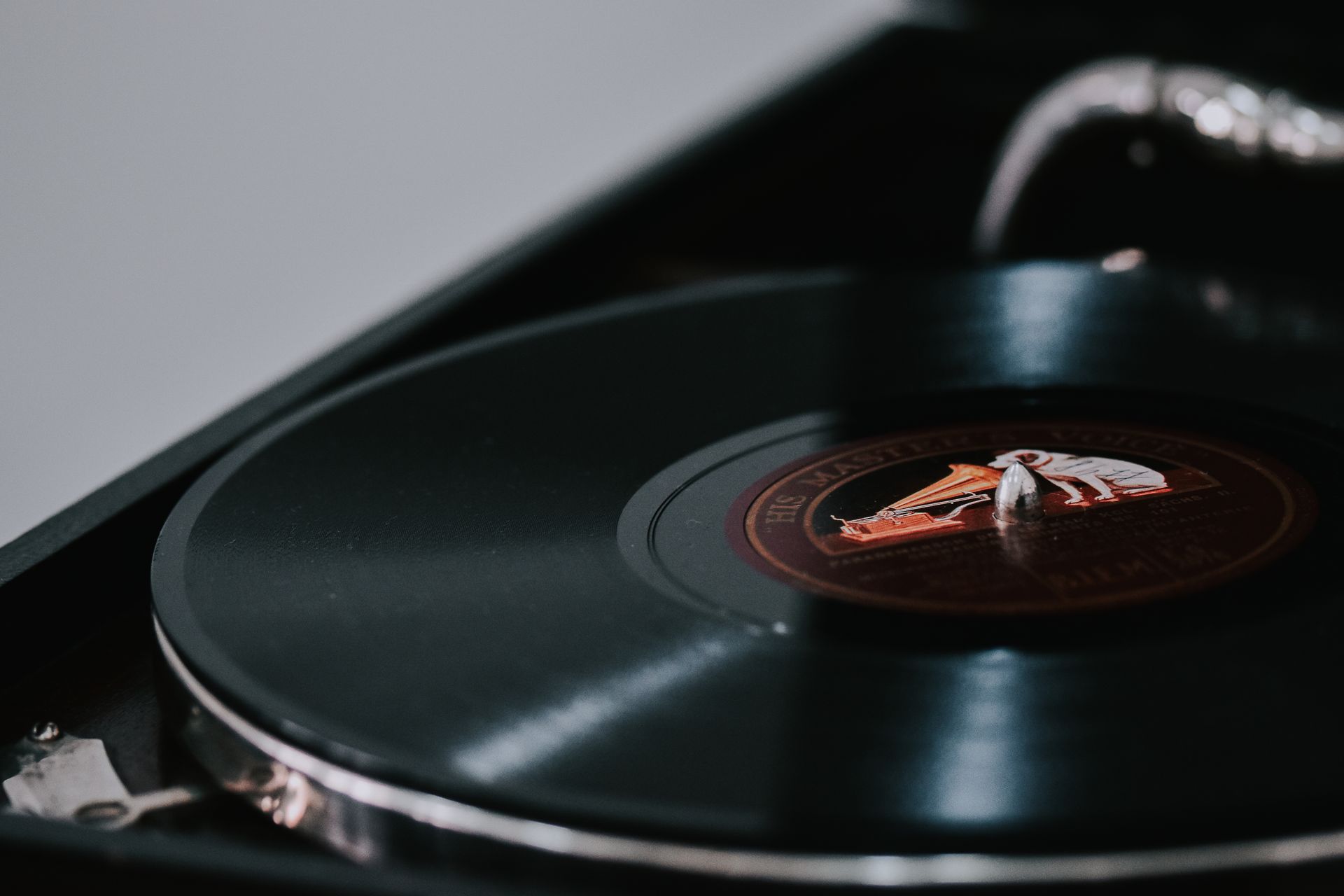
Cover photo: Diana ✨ via Pexels, used under the Pexels License. This is an illustrative turntable photograph, not an Indian record shop or artist release.
The 26% Shift: India’s Music Business Is Moving Beyond the Stream
Key takeaways
- Vinyl records in India remain a specialist format, not a substitute for digital distribution or a guaranteed income stream.
- Recent reporting from Mumbai and Kochi shows that records are becoming a reason for shops, listening sessions and artist-led gatherings—not simply objects for display.
- An independent artist should only consider a physical edition when the music, artwork, audience and fulfilment plan make sense together.
- A well-documented physical release can give designers, photographers, mastering engineers, manufacturers and musicians clearer work to be credited for.
The direct answer: should an independent artist in India press vinyl?
Usually, not as a default release step. A vinyl edition is most useful when it has a real purpose: an album that rewards uninterrupted listening, a committed audience that has asked for an object, artwork worth living with, or a listening event that makes the record part of an experience. It is a product and a production decision, not proof that an artist has “made it.”
That is what makes the current interest in vinyl records in India worth watching. It is not a mass return to physical media. It is a small but visible culture of record shops, collectors, labels and listening spaces choosing a slower relationship with music. The useful lesson for artists is not “press vinyl now.” It is “decide what a release is for before you make more of it.”
A record shop can become a music space
In June 2026, The Hollywood Reporter India profiled vinyl culture across Mumbai and Kochi. Its report moves from Haji Ebrahim Record Shop in Mumbai's Chor Bazaar—run by the same family for decades—to JD's Jukebox in Kochi, a space that combines record collecting with listening sessions and live performances. The article treats the revival carefully: enthusiasm exists, but affordability and supply still limit who can participate.
That distinction matters. Calling every record buyer a “movement” is easy; building a place where people can hear, discuss and discover music is harder. A shop, a café, a library corner or a small listening session can make an album feel social without pretending to be a festival. For an artist, that can be more valuable than a generic launch party because the format gives the audience a reason to stay with the full work.
The Sound System Is the Venue: What Delhi's BFR Reveals About Listening-Led Live Music
What vinyl changes—and what it does not
Vinyl makes listening physical. A listener chooses a side, handles a sleeve and stays with a sequence. That can change the way artwork, track order and liner notes are received. It can also make release credits more visible: designer, illustrator, photographer, producer, performer, mastering engineer and label can all be named in one place.
It does not fix discovery, guarantee sales or remove the need for digital access. Streaming remains how most listeners first encounter music, and physical formats can be expensive to make, store and deliver. In the same Hollywood Reporter India report, record-store owners and collectors describe access as uneven and vinyl as a premium purchase for many listeners. Treating a small-format run as a financial promise would be irresponsible.
The better comparison is not vinyl versus streaming. It is passive listening versus intentional listening. A digital release can be intentional too: a considered sequence, a lyric booklet, a video, a listening room or a release conversation can all help an audience stay with a project. Vinyl simply makes the object impossible to ignore.
The release is bigger than the disc
Amarrass Records, a New Delhi label, management company and event producer, says it operates a hand-cut vinyl facility for its catalogue and frames that work alongside archiving and sustaining folk music. Its account of the label's work is a useful example of a physical-format decision tied to a broader cultural practice—not a claim that every independent artist needs a pressing plant.
For a small team, a physical edition asks practical creative questions:
- What is the listening arc? If the record has two sides, where should the break feel natural? Does the track order still hold without a playlist shuffle?
- What does the object add? It might carry photographs, lyrics, translations, essays, process notes or artwork. If the answer is “nothing,” a digital-first release may be more honest.
- Who made it? Capture accurate credits for audio, visuals, packaging, manufacturing and any collaborators before the files are sent out.
- How will it reach people? Decide on storage, delivery, returns, a launch event and customer communication before offering a limited edition.
- What is the smallest sensible run? Get real quotes and demand signals before committing money. Do not infer demand from likes alone.
This is where a physical release can become useful career evidence. A sleeve or booklet turns invisible labour into a permanent credit trail—provided the roles are true, agreed and specific. Our guide to the credit map behind an independent release is a practical companion before anyone turns a contributor into a vague “team member.”
Why the format fits some music better than others
There is no genre rule. A folk field recording, a jazz record, a concept EP, a film soundtrack and an electronic album can all reward a complete listen; a single built for immediate discovery may not need a physical edition at all. The question is whether the format strengthens the work already there.
That point is easy to lose when physical media becomes an aesthetic. A coloured disc, a retro typeface or a dramatic unboxing video cannot replace songs, consent-based collaboration or a clear release plan. Nor should a vinyl launch imitate another culture's record fair or listening room without understanding its audience.
For students and early-career teams, a small listening session may be the lower-risk experiment. Gather a few listeners, play an EP in sequence, credit the people who built the evening and learn what held attention. The lesson can shape the next digital release even if no record is ever pressed.
A concept EP is one way to give a short release a coherent world
A physical release should make the work clearer
The best reason to explore vinyl is not nostalgia. It is clarity. A physical edition asks an artist to decide what belongs together, whose work should be named, how the audience will encounter it and what happens after a sale. Those are useful questions for any release.
Kredl's role in that process is not to promise a pressing deal, an event slot or a buyer. It is to help creative people show confirmed work and credits, so a future collaborator can understand the contribution behind a record, a release or a listening event.
Frequently asked questions
Are vinyl records popular in India again?
There is visible renewed interest among collectors, shops, labels and listening communities, especially in larger cities, but it remains a specialist market. It should not be treated as a mass-format comeback or a universal artist-revenue opportunity.
Should a new artist release their first single on vinyl?
Usually not. Start with the audience, the songs and the release objective. A physical edition makes more sense when it adds something meaningful to the music and the artist can handle the production and fulfilment responsibly.
Can a vinyl release help an artist's portfolio?
It can, when the work is genuine and accurately credited. A sleeve, booklet or listening event can document collaboration across music, design, photography and production; it cannot substitute for strong songs or audience trust.
Is a listening event only for vinyl collectors?
No. A listening event can work with a digital file, a projector, lyrics, an artist conversation or a modest speaker setup. The point is focused attention, not owning a particular format.
Sources and image credit
- The Hollywood Reporter India, “Setting the Record Straight: Decoding India's Still-Relevant Vinyl Culture,” 1 June 2026. Source for current shop, collector, label and listening-space context; individual views are attributed to the people interviewed.
- Amarrass Records, “Our Story”. First-party source for the New Delhi label's hand-cut vinyl facility and its stated archival context.
- Cover photograph: Diana ✨ on Pexels, stored locally and used under the Pexels License. It is an illustrative turntable photograph, not an Indian record shop or artist release.